
FutureLab Camp 2026 in Belfort: international students develop solutions for regional transformation
March, 10, 2026
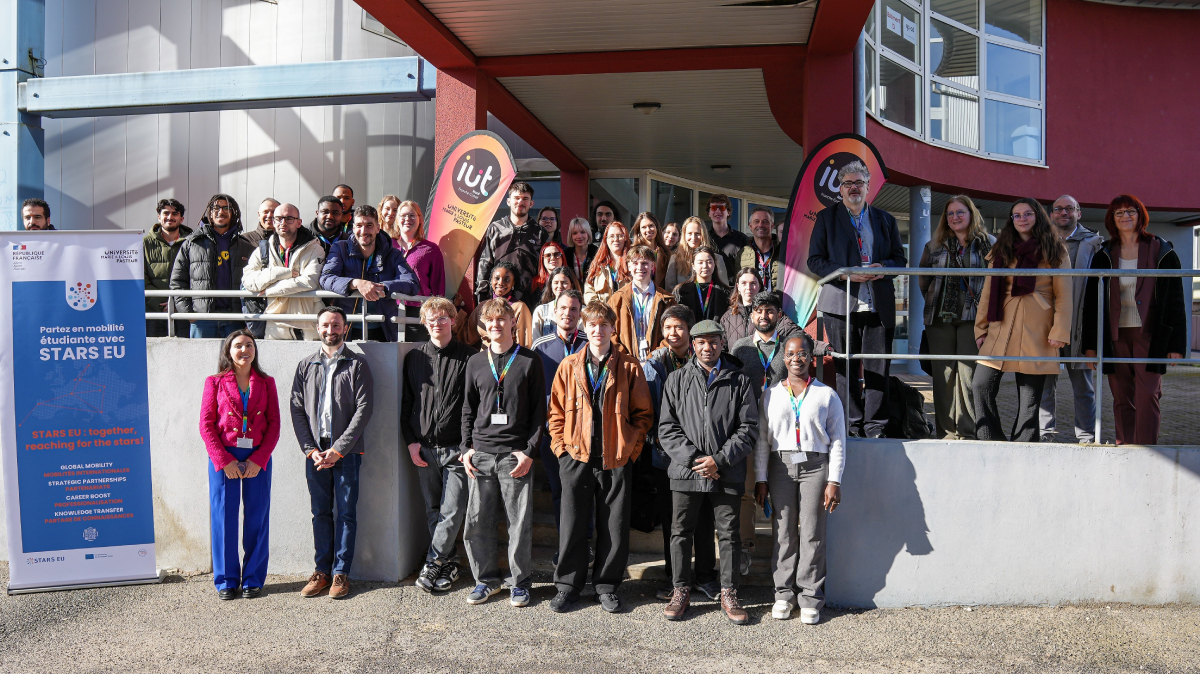
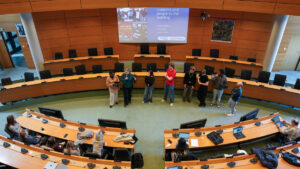
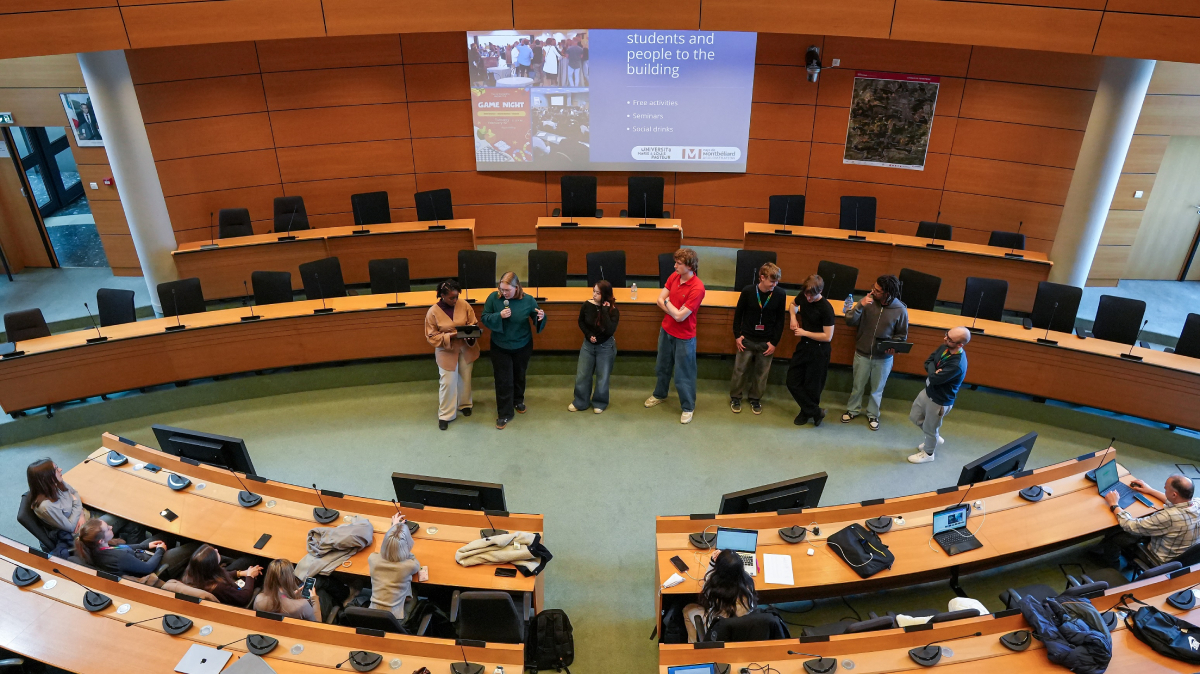
International student teams, real regional challenges and an intensive week of collaborative project work – this was the second edition of FutureLab Camp, held on 2–6 March 2026 in Belfort, France. The programme, organised within the STARS EU – Strategic Alliance for Regional Transition, brought together 34 students from partner universities across Europe.
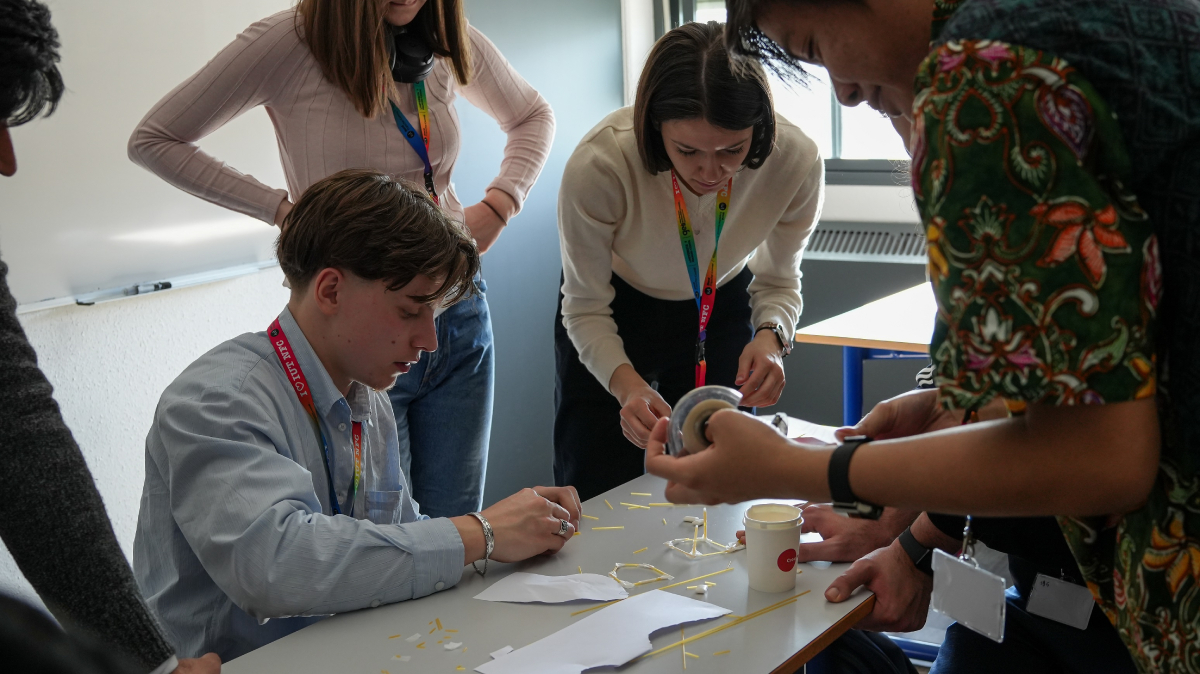 The 2026 edition was hosted by Université Marie et Louis Pasteur and organised in the Blended Intensive Programme (BIP) format, combining an intensive on-site workshop week with continued online collaboration in the following months.
Students from universities in France, Germany, Spain, Portugal, the Netherlands, Sweden, the Czech Republic, Albania and Poland took part in the camp. Working in international and interdisciplinary teams, participants addressed real development challenges of the Belfort–Montbéliard region, combining perspectives from engineering, architecture, technology and social sciences.
The event was organised by the French STARS EU partners, with Prof. Robin Roche (Université Marie et Louis Pasteur, FEMTO-ST Institute) and Dr Halima Ikaouassen (Université Marie et Louis Pasteur – IUT Nord Franche-Comté) coordinating the academic programme and project activities in Belfort.
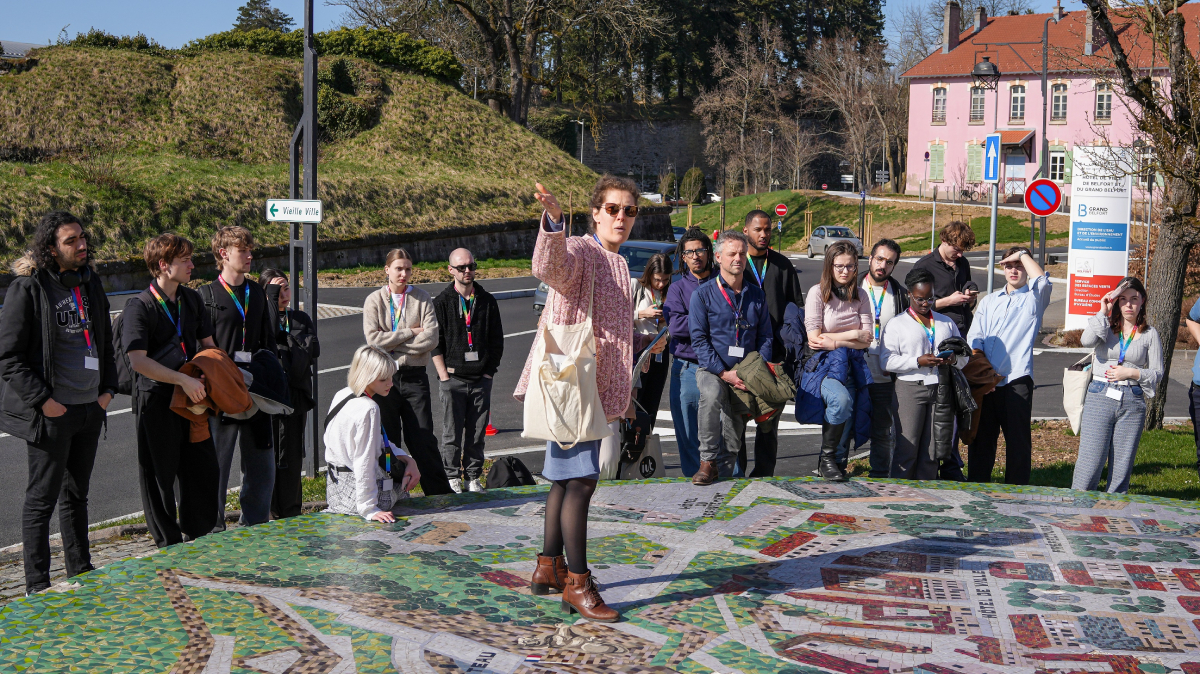
During the week in France, students also participated in study visits to local institutions and companies, including the headquarters of the Pays de Montbéliard Agglomeration Authority and the Peugeot Museum, gaining insight into the region’s industrial and economic context, particularly its strong links to the energy, mobility and manufacturing sectors.
 Three projects for the future of the region
Participants worked on three challenge-based projects developed in cooperation with regional stakeholders. The tasks focused on energy transition, technological innovation and sustainable urban and campus development.
- Revitalisation of the Portes du Jura former polyclinic – a hydrogen technology demonstrator: This project, developed in cooperation with Pays de Montbéliard Agglomération, explored the transformation of a former medical facility into a demonstration centre for hydrogen technologies. Students worked on the functional concept of the building, potential uses of the space and strategies for promoting hydrogen innovation and public awareness.
- Energy, data and artificial intelligence – an innovation hub for Belfort: The second challenge was prepared together with Grand Belfort Communauté d’Agglomération. Students designed concepts for a collaborative innovation space bringing together researchers, startups and industry partners, focusing on energy transition, data analysis and artificial intelligence.
- Sustainable student living environments: The third project, developed in cooperation with Université Marie et Louis Pasteur – IUT Nord Franche-Comté, addressed the future of student housing and campus life. Teams proposed ideas for sustainable, energy-efficient and socially engaging living spaces designed to meet the evolving needs of students and universities.
After presenting their concepts to institutional partners at the end of the workshop week, the teams will continue developing their projects online until June 2026, when final presentations will take place.
 From Kraków to Europe
FutureLab Camp is one of the flagship educational initiatives of STARS EU – Strategic Alliance for Regional Transition, which brings together nine European universities working jointly to support regional transformation through innovation, research and modern education.
The Belfort camp builds on the success of the first edition held in Kraków in 2025, where international student teams developed concepts supporting the development of the Zakliczyn municipality in southern Poland, focusing on topics such as public space design, tourism development and local infrastructure.
According to Adam Sadło, FutureLab Camp task leader within STARS EU: “FutureLab Camp demonstrates how much can be achieved when students from different countries and disciplines collaborate on ambitious regional challenges. Bringing together diverse perspectives, interests and experiences leads to creative solutions even within a single intensive week of teamwork. It is also a valuable opportunity for students to learn how to collaborate in an international environment that will shape their future professional careers.”
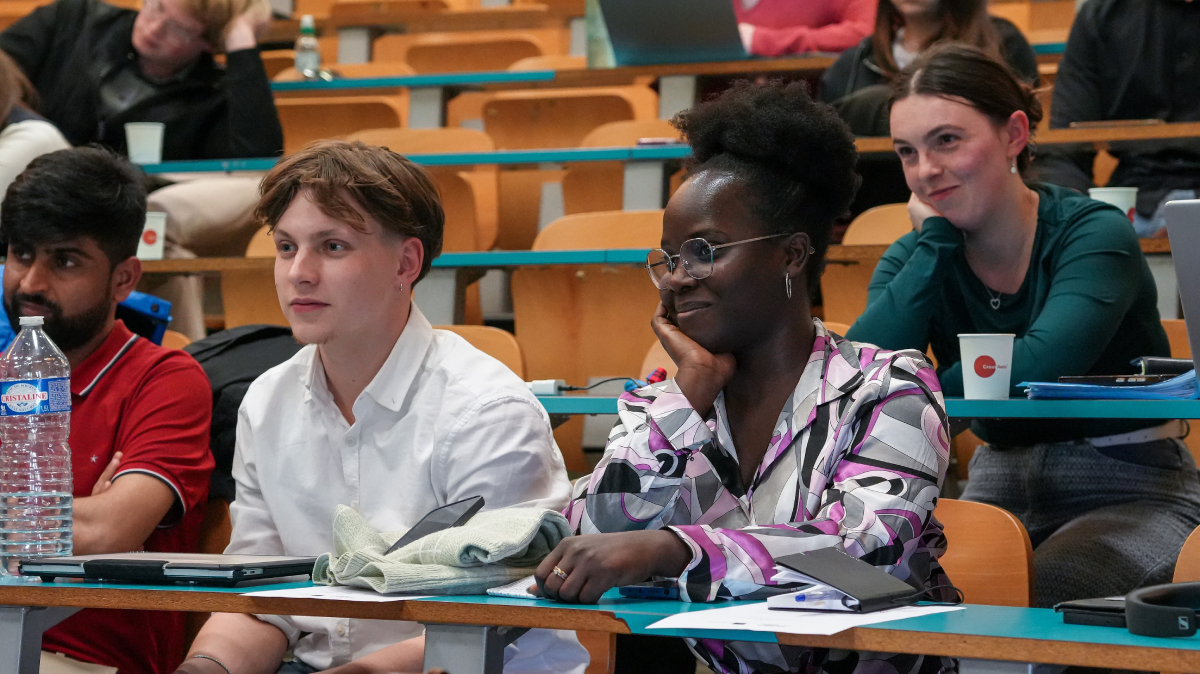 The third edition of FutureLab Camp is planned for 2027 at the Polytechnic Institute of Bragança in Portugal, continuing the development of this collaborative, challenge-based learning model across the STARS EU alliance.

Related Posts
STARS EU welcomes two new international degree pathways through cooperation between UAMD, IPB and ULL
Both the double degree in Accounting and the dual doctoral programme in Law…

The STARS EU annual meeting began in Opava, focusing on teaching innovation
The annual conference of the STARS EU alliance was inaugurated yesterday,…
STARS EU places education at the heart of Europe’s future in its third annual conference
The event, to be held at Silesian University in Opava, will take place from 25…