
STARS EU places education at the heart of Europe’s future in its third annual conference
March 24, 2026
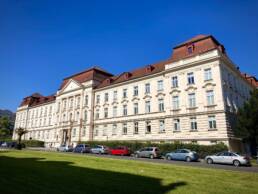
The event, to be held at Silesian University in Opava, will take place from 25 to 27 March
The third annual STARS EU conference is conceived as a strategic meeting space dedicated to rethinking the role of higher education in Europe under the theme “Transformative Education for Europe’s Future”. The event, which on this occasion will be hosted by Silesian University in Opava (Czech Republic) from 25 to 27 March, brings together academics, students, policymakers and a range of societal stakeholders with the aim of sharing ideas, exchanging experiences and co-creating new perspectives on the future of higher education.
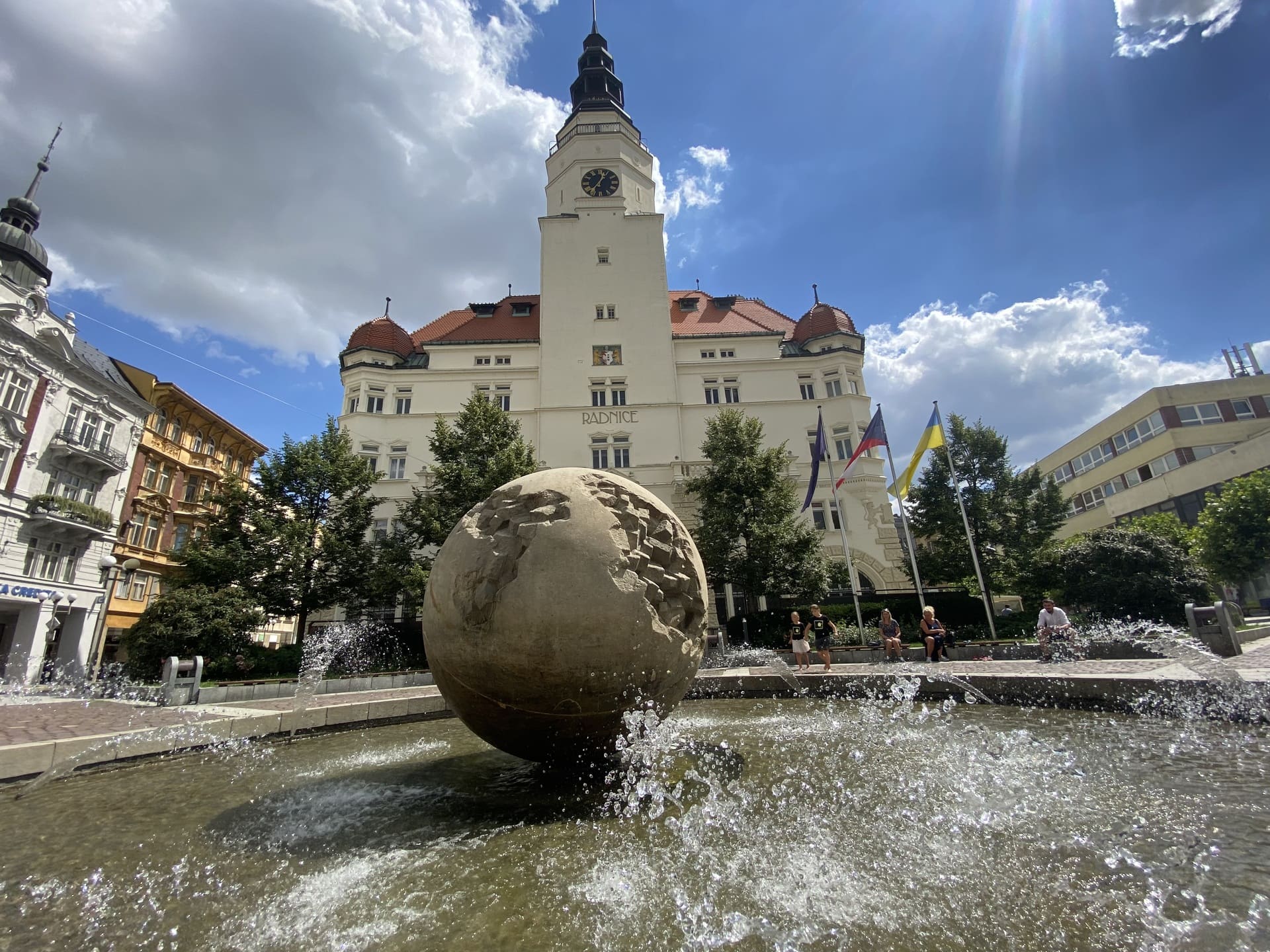 The programme combines institutional events with plenary sessions, panel discussions, parallel working groups and cultural activities. Following the official opening at the historic Silesian Theatre, networking opportunities will also be provided, reflecting STARS EU’s commitment to a more connected, innovative and transformative European university landscape.
Key debates on transformative education
The first day, Wednesday 25 March, establishes the conceptual foundations of the conference. After the formal opening ceremony, attention turns to the afternoon panel discussions, which address key issues for understanding the scope of transformative education.
From Classroom to Region: Transformative Education as an Engine for Europe’s Transitions
This panel reflects on the impact of education beyond the classroom, as well as its capacity to act as a driving force for transformation across European regions. In this context, universities play a crucial role by actively contributing to ecological, social and economic transitions, and by connecting learning with local territories to foster community engagement. Education is thus understood as a tool for systemic change, rather than merely a means of knowledge transmission.
Human-Centred AI & Flexible Pathways: Making Digital Transformation Actually Transformative
The second panel examines artificial intelligence and digitalisation from a human-centred perspective, highlighting the importance of designing flexible learning pathways that can adapt to changing contexts. It also addresses the need to ensure that digital transformation is truly inclusive, ethical and oriented towards meaningful learning, emphasising that technology should not be an end in itself, but a tool serving transformative education.
Coaching for Courage: Team-Entrepreneurship as a Vehicle for Transformative Education
The third panel introduces team entrepreneurship as a key pedagogical approach to fostering competences such as leadership, resilience and decision-making. “Coaching for courage” is presented as an educational strategy that encourages students to face uncertainty and develop innovative initiatives. In this way, transformative education is linked to action, experimentation and challenge-based learning.
Policy → Practice: Turning European Initiatives into Transformative Learning
In the afternoon, the fourth panel explores the relationship between European education policies and their implementation within institutions. It examines how strategic frameworks and European programmes can be translated into concrete and effective learning experiences. This session highlights the importance of bridging the gap between policy design and educational practice, ensuring that institutional initiatives have a tangible impact on both teaching staff and students.
The day concludes with the opening of the exhibition “Pedagogy as Art, Art as Pedagogy”, which reinforces the idea of education as a creative practice.
Second day: collaborative work and development of strategic lines
The second day, Thursday 26 March, focuses on parallel working groups, where participants collaboratively address the main pillars of transformative education. Following an initial session presenting a summary of mid-term results, the following working groups—reflecting the project’s strategic priorities—are held:
- Artificial intelligence in teaching and learning: analysis of its applications, ethical challenges and transformative potential.
- Curricular structures: review of educational models to adapt them to new social and professional demands.
- Learning spaces: exploration of physical and digital environments that support innovative methodologies.
- Future skills and interdisciplinarity: identification of key competences and promotion of cross-disciplinary approaches.
The second day concludes with a wrap-up session in which the main outcomes of each group are shared, while 27 March is devoted to individual meetings of the different work packages within the alliance.

Related Posts

The new episode of STARS EU Highlights positions universities as drivers of social change and regional development in Europe
The videopodcast highlights students’ involvement in community initiatives,…


FutureLab Camp 2026 in Belfort: international students develop solutions for regional transformation
This second edition of FutureLab Camp, held on 2–6 March 2026 in Belfort…

STARS EU Commemorates International Women’s Day with Initiatives Across the Alliance
Partner institutions present events, discussions and initiatives focused on…