
More than 60 European students explore digital creativity and sustainable architecture within the alliance framework

Bragança Polytechnic University hosted two BIPs addressing current challenges through an innovative approach
STARS EU is promoting digital creativity and sustainability through two Blended Intensive Programmes (BIPs) that brought together more than 60 European students and lecturers from different disciplines and nationalities in Portugal. Organised by Bragança Polytechnic University (IPB), both programmes – which included virtual sessions prior to the in-person mobility – highlight the potential of transnational collaboration to address contemporary challenges from a creative, sustainable, and interdisciplinary perspective.
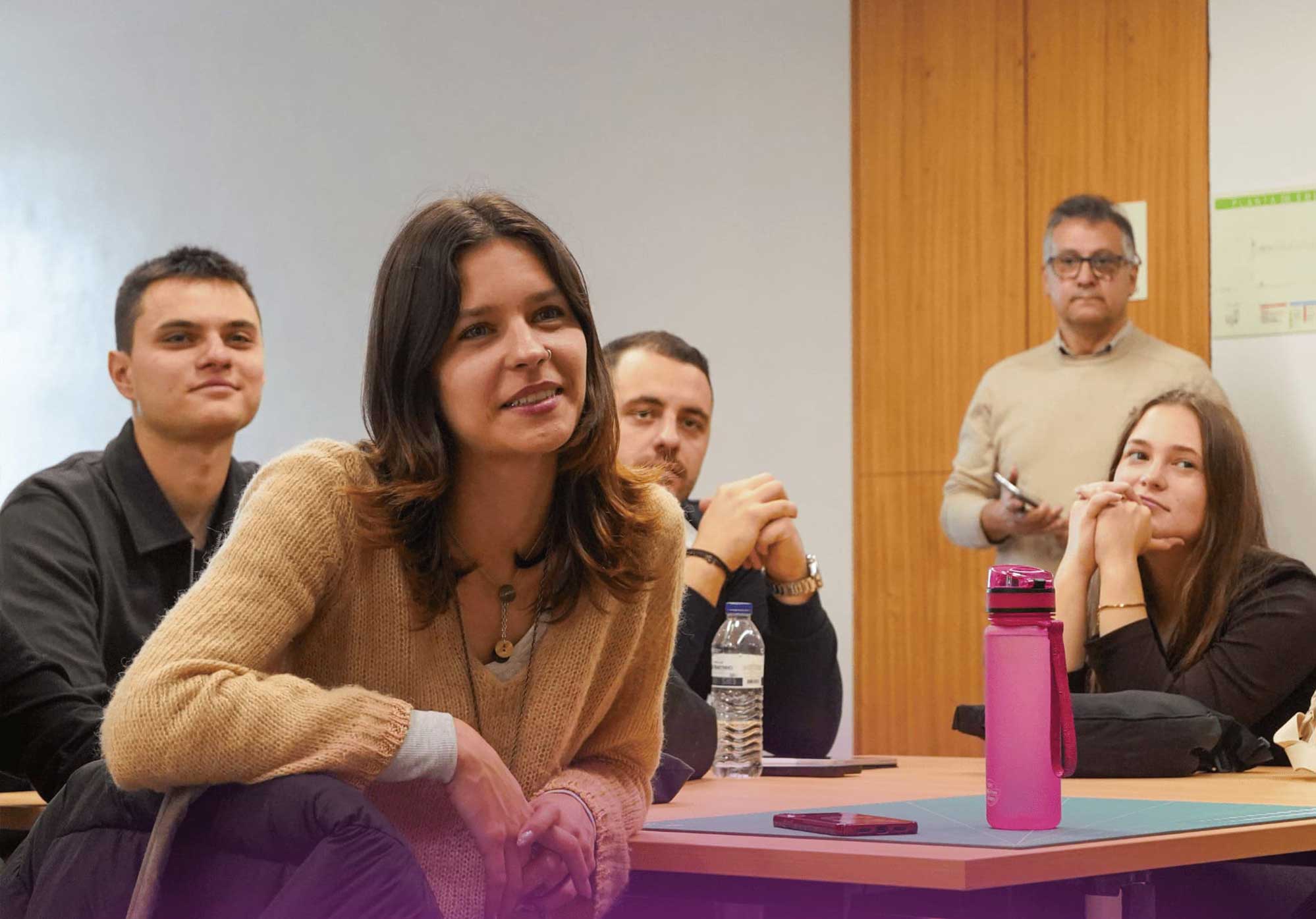
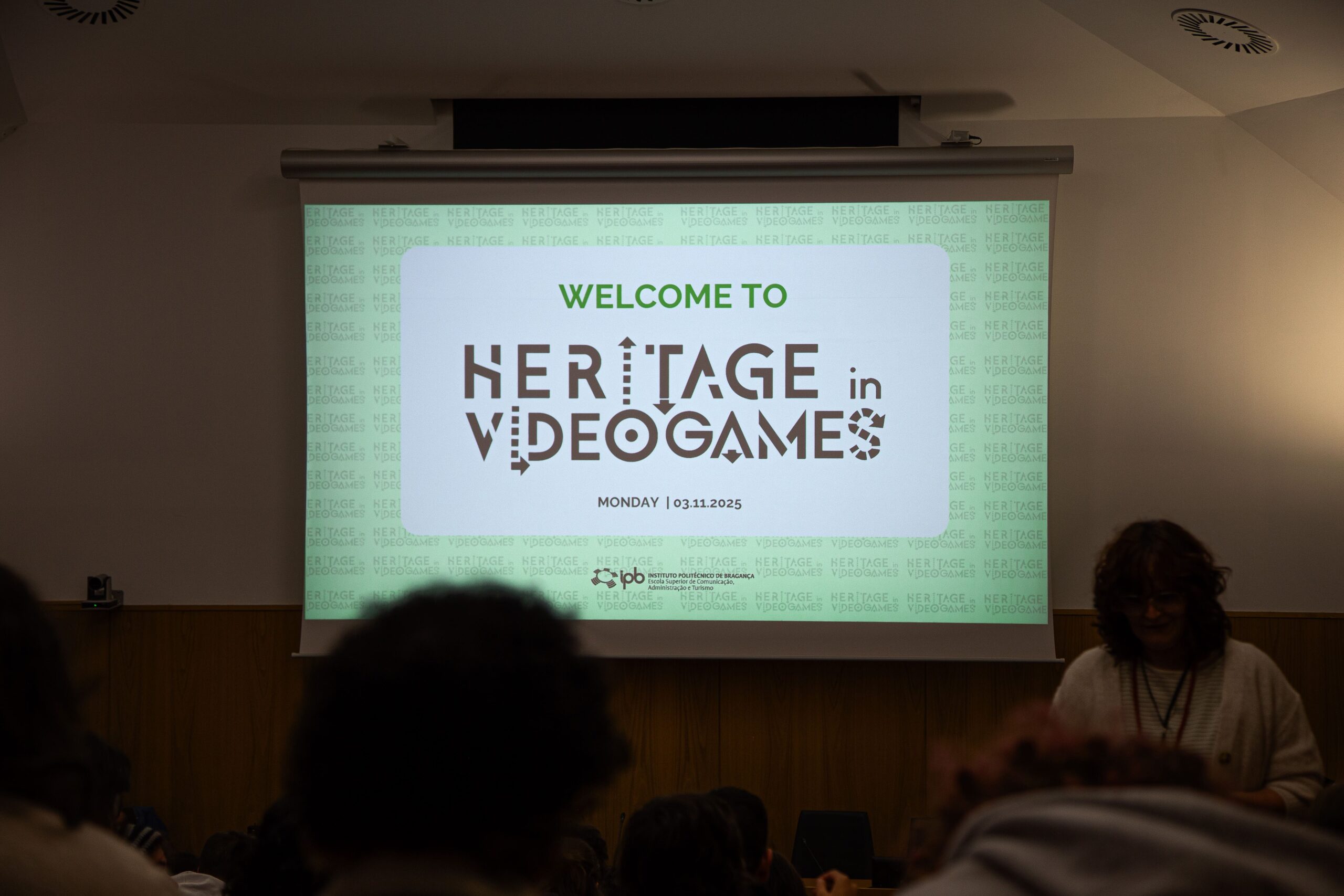
The first programme, “Heritage in Videogames”, held at EsACT-IPB from 3 to 7 November 2025, focused on the use of videogames as a tool to reinterpret and preserve European cultural heritage. Participants from IPB, University West (Sweden), Marie and Louis Pasteur University (France), and Universidad Europea Miguel de Cervantes (Spain) combined research, digital storytelling, and interactive design to create prototypes inspired by local traditions, symbols, and places. Visits to key sites such as the Olive Oil and Olive Museum, the Ecoteca and the Arts Station provided creative material for their projects, which incorporated both tangible and intangible heritage elements.
Sustainable architecture
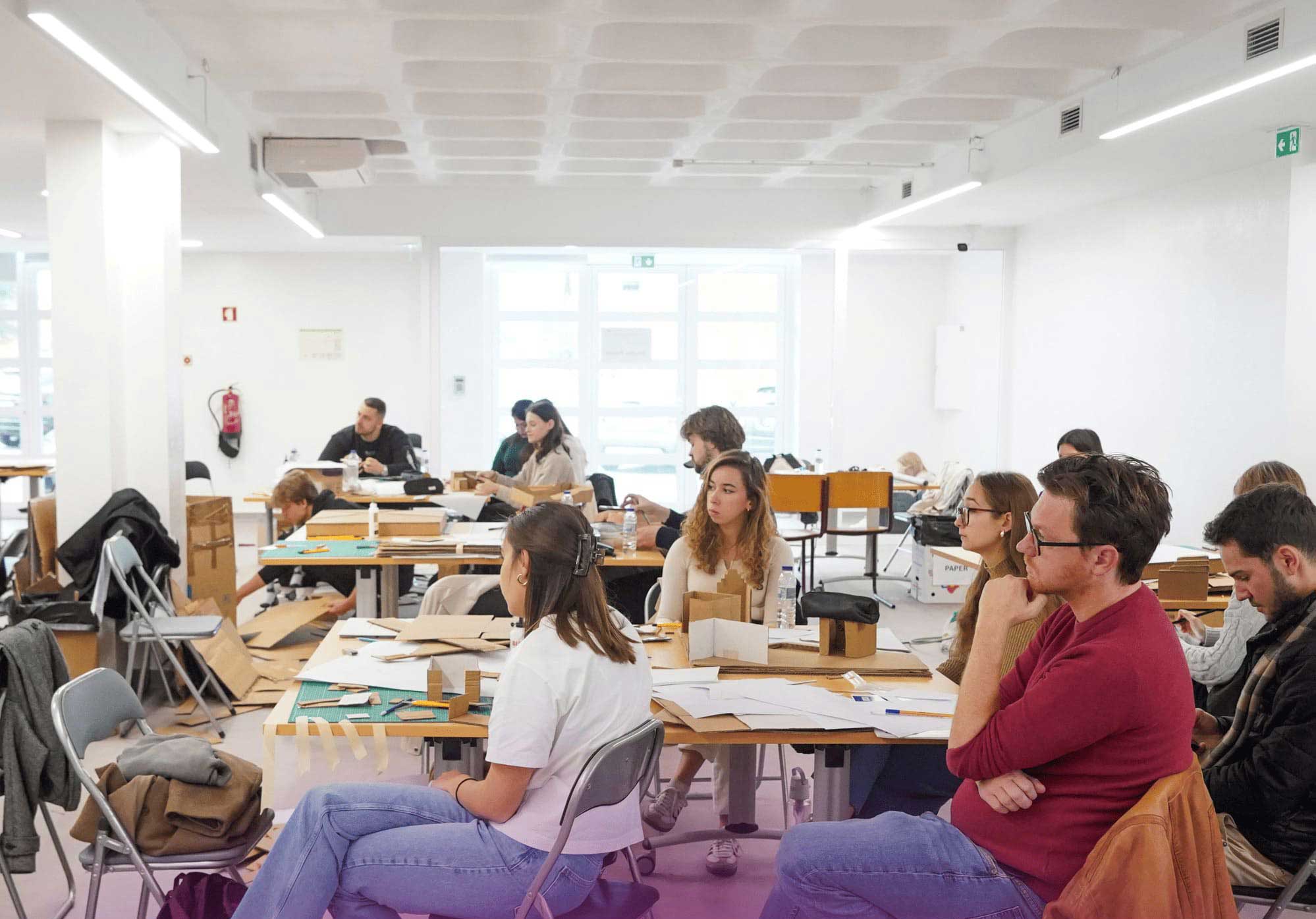
The second programme, “Climate-Responsive and Sustainable Building Design”, took place at ESTiG-IPB during the same dates and centred on climate-responsible architectural design. Students from Hochschule Bremen (Germany), Cracow University of Technology (Poland), Josip Juraj Strossmayer University of Osijek (Croatia) and IPB worked on a real case study – Berlin’s LIDO urban development project – to develop sustainable proposals that respond to today’s environmental needs.
The final models, built using recycled and recyclable materials, are on display at the ESTiG Library as a demonstration of the programme’s practical and applied approach. This edition was supported by the GICoS – Sustainable Construction Research Group.
Beyond their academic dimension, both BIPs offered an opportunity to strengthen intercultural exchange, enhance students’ digital, creative and transversal skills, and foster international networks among learners and teaching staff.
In addition to the participation of students from the STARS EU partner universities, both BIPs also received students from Croatia and Spain.

Related Posts
WEAVE 2027 – Call for Papers
The STARS EU community will come together at Bragança Polytechnic University…

STARS EU Goes Global: Alliance community meets in Bragança for 2026 Annual Meeting
The STARS EU community will come together at Bragança Polytechnic University…
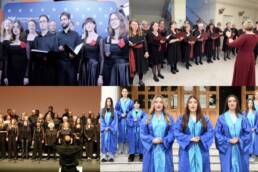
One song, Different voices, One STARS EU
Four of our university's choirs came together around one of the most iconic…