
STARS EU concludes annual conference in Opava with focus on becoming a European Alliance
April, 07, 2026
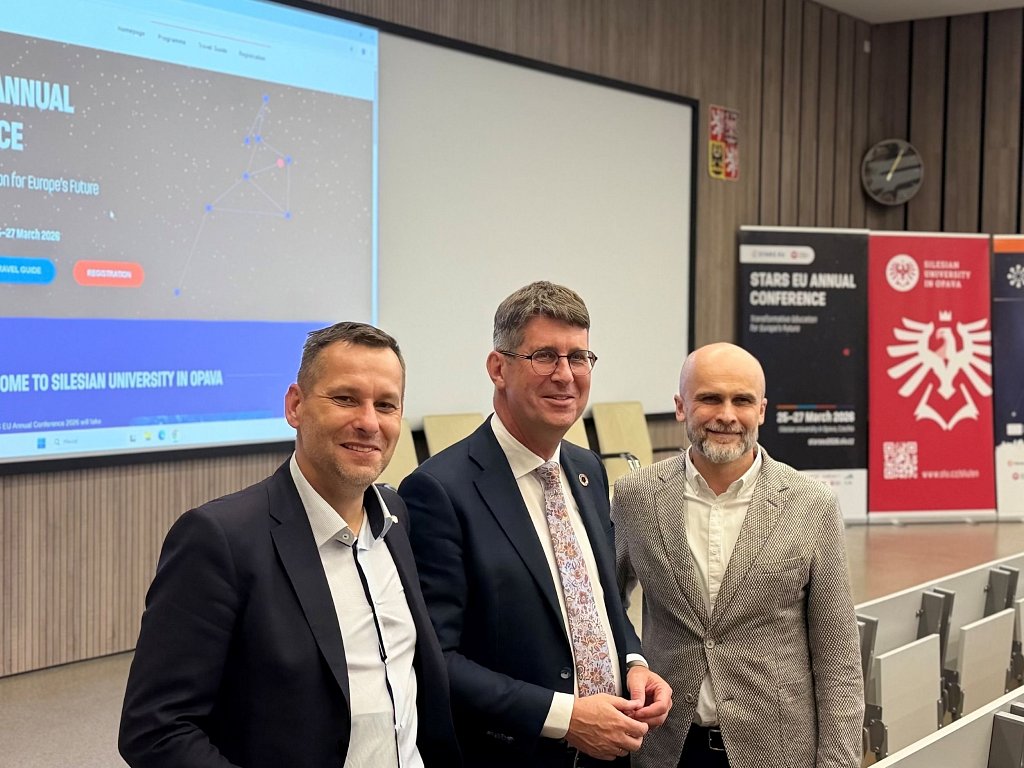
The STARS EU university alliance concluded its annual conference, held at the Silesian University in Opava, Czech Republic, with a clear commitment to evolve from a European Union-funded initiative into a consolidated strategic alliance with its own governance and long-term vision. This was announced by the Alliance’s Secretary General, Dick Pouwels, during the closing ceremony, alongside Tomáš Gongol, Rector of the host institution.
Both presided over the conclusion of the three-day event (25–27 March 2026), which focused on key challenges in higher education, university cooperation, and academic innovation within the European context. It was also confirmed that the next edition of the conference will take place in Krakow in March 2027, with the host institution, the Cracow University of Technology, taking over organisation duties.
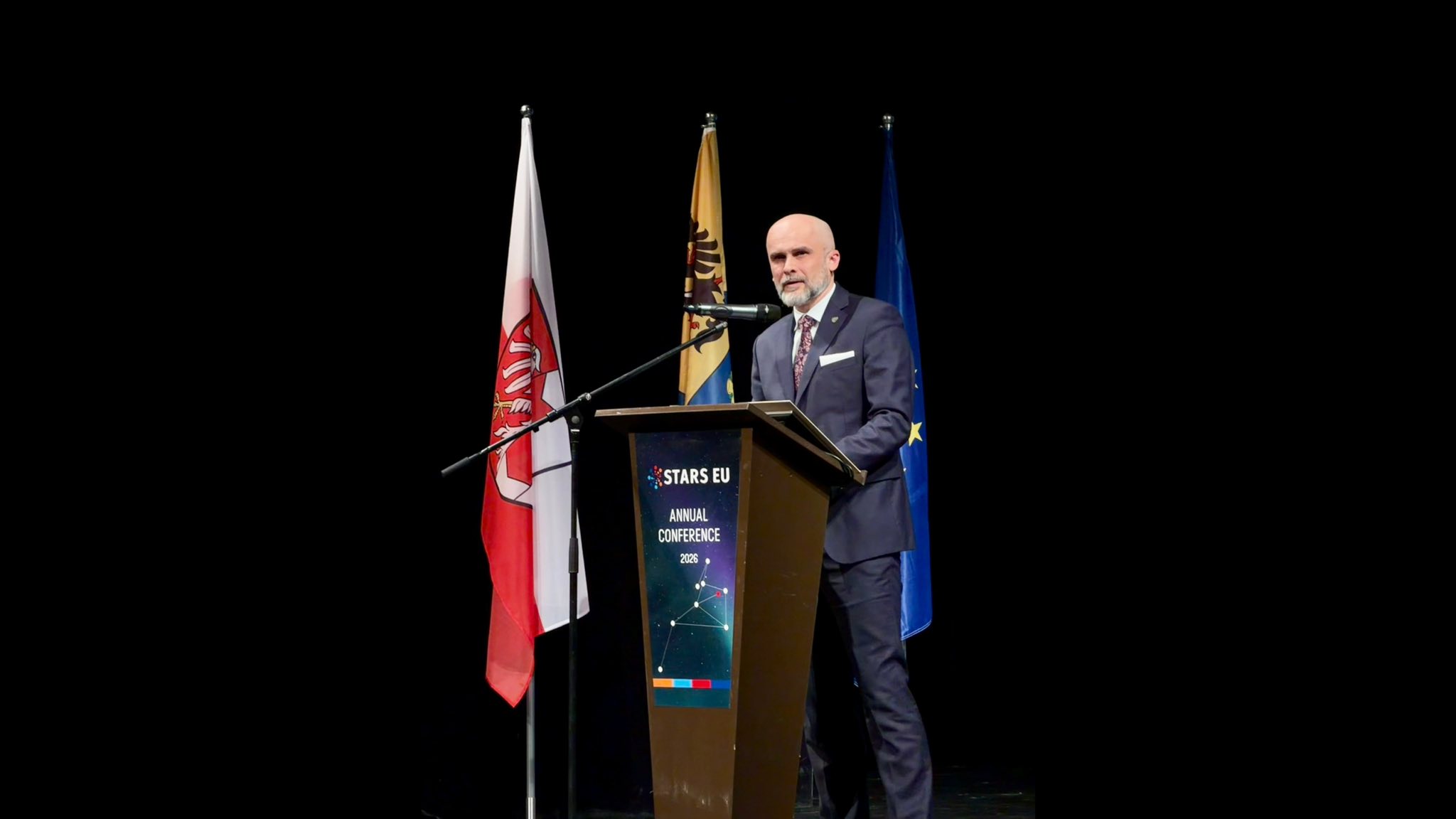
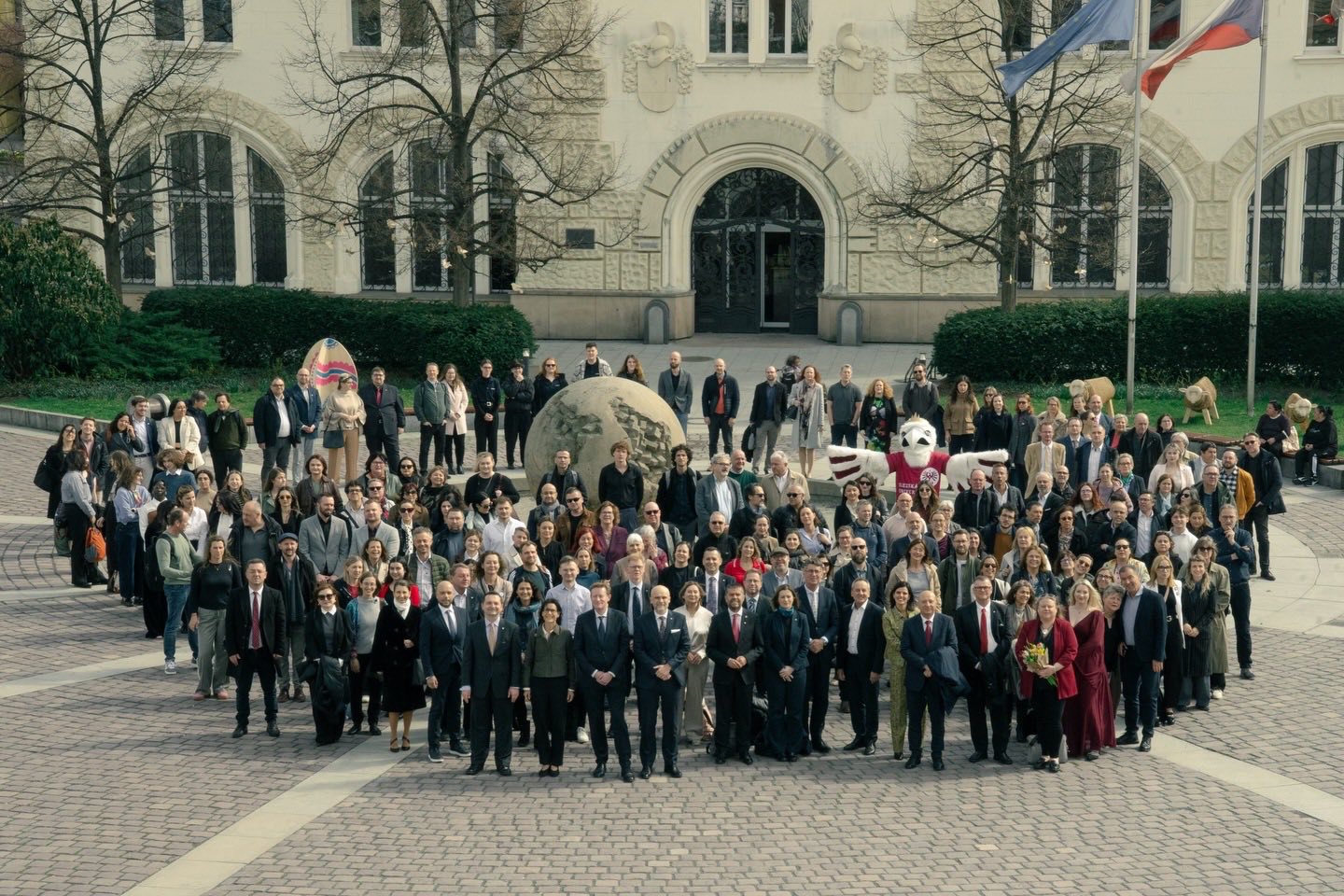 During the meeting, which brought together academic, institutional, and administrative representatives from member universities, the Steering Committee and Executive Board discussed key next steps for the consortium. These include the development of a strategic plan to be completed before next summer and the establishment of a common governance model by October 2026—both essential elements to strengthen the alliance’s autonomy and strategic projection.
Upcoming funding call
It was also announced that the alliance plans to apply for the next European funding call, scheduled for autumn, under the new multiannual programme starting in 2028. The European institutions view university alliances as priority actors—“front runners”—in the development of higher education and research in Europe, ensuring continued financial support.
 Another significant announcement was the future inclusion of the International Black Sea University (Ukraine) as an associate partner, reinforcing cooperation with European institutions in particularly challenging contexts. STARS EU has also initiated an exploratory process to integrate a university from the United Kingdom in the future, in line with British engagement with European programmes such as Erasmus+.
Teaching innovation
The conference focused on teaching innovation under the concept of “transformative education”, with sessions addressing the impact of artificial intelligence on learning, flexible curricula, future skills development, and the strengthening of the link between universities and society. The programme combined panels, workshops, and strategic discussions, emphasising how higher education can adapt to Europe’s social, digital, and economic challenges.
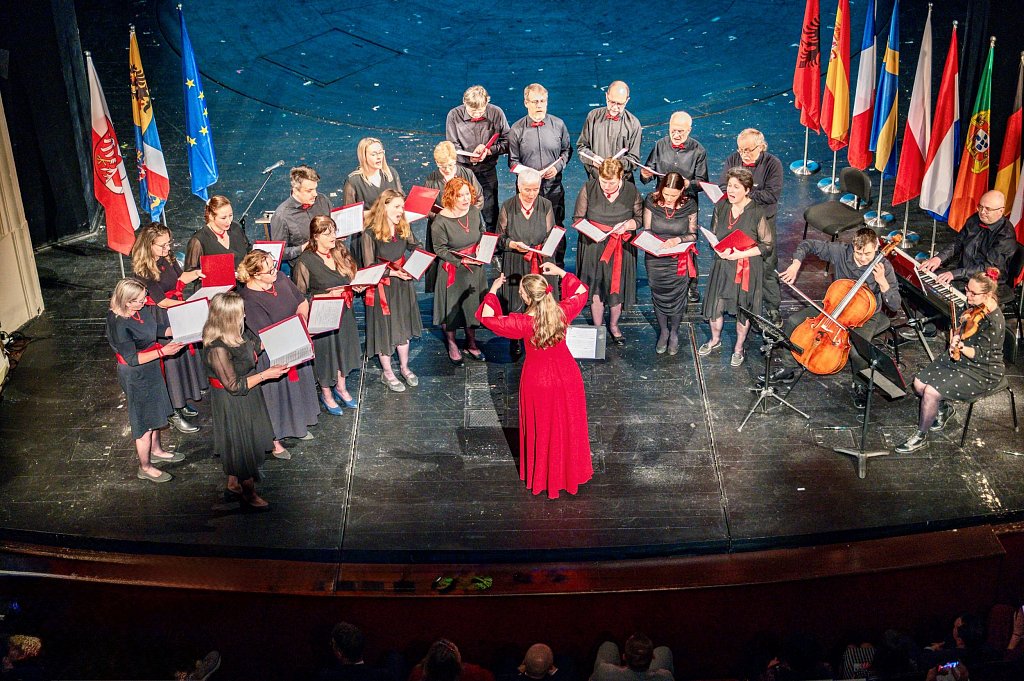 The event also highlighted the growing integration between the alliance’s different working groups and thematic lines, as well as the strengthening of relationships among its members, both in formal and informal programme settings.
Organised by the Silesian University in Opava, the event was the largest hosted to date by the institution, which received unanimous recognition from participants for its meticulous organisation and programme design.

Related Posts
WEAVE 2027 – Call for Papers
The STARS EU community will come together at Bragança Polytechnic University…

STARS EU Goes Global: Alliance community meets in Bragança for 2026 Annual Meeting
The STARS EU community will come together at Bragança Polytechnic University…
One song, Different voices, One STARS EU
Four of our university's choirs came together around one of the most iconic…