

ULL introduces a New Living Lab on Circular Economy
November, 17, 2026
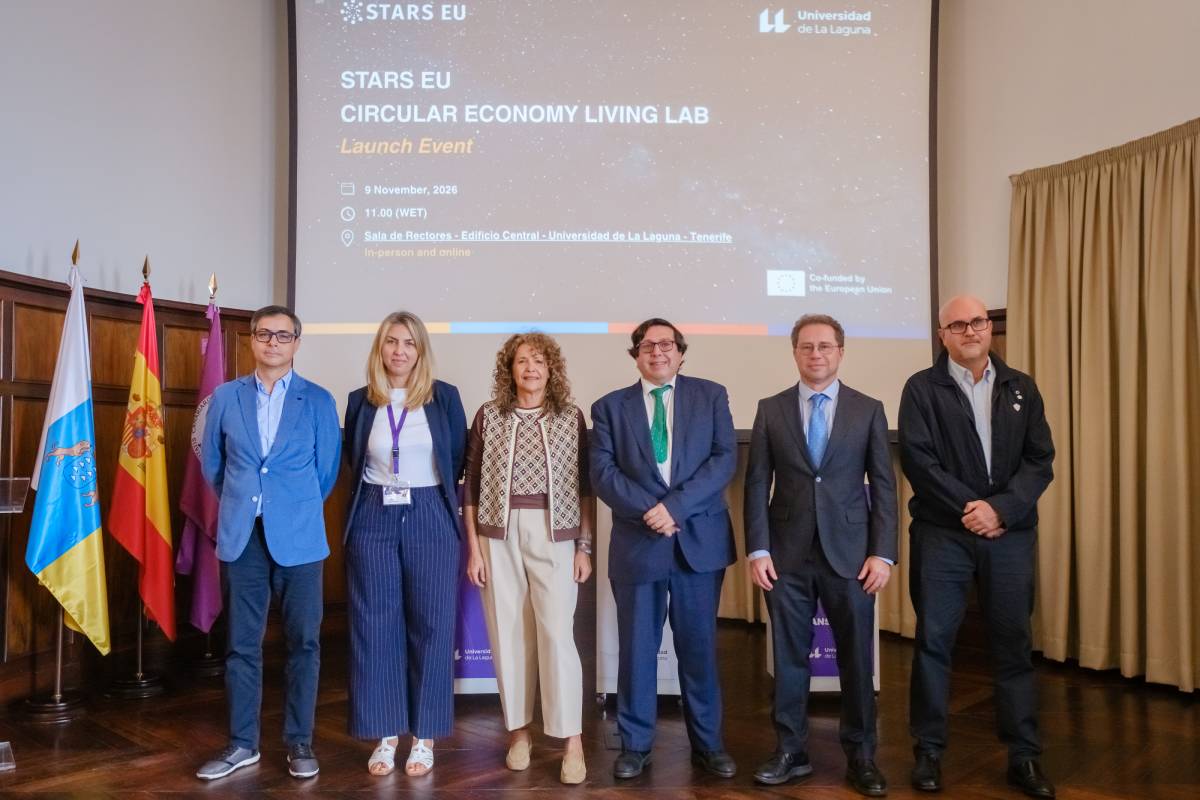
On November 9, the STARS EU alliance presented its new Circular Economy Living Lab (CELL) at the University of La Laguna (Spain), a space for collaboration and innovation that will connect universities, companies, public administrations and other regional agents to address the challenges and opportunities of the circular economy, especially focused on three key sectors for the Canary Islands: construction, tourism and agriculture.
The new Living Lab aims to foster cooperation across different sectors to develop strategic solutions that contribute to more sustainable production and consumption models. It seeks to translate European objectives for transitioning to a circular economy into initiatives that have a real impact on the territories of the various European regions where the STARS EU alliance universities are located.
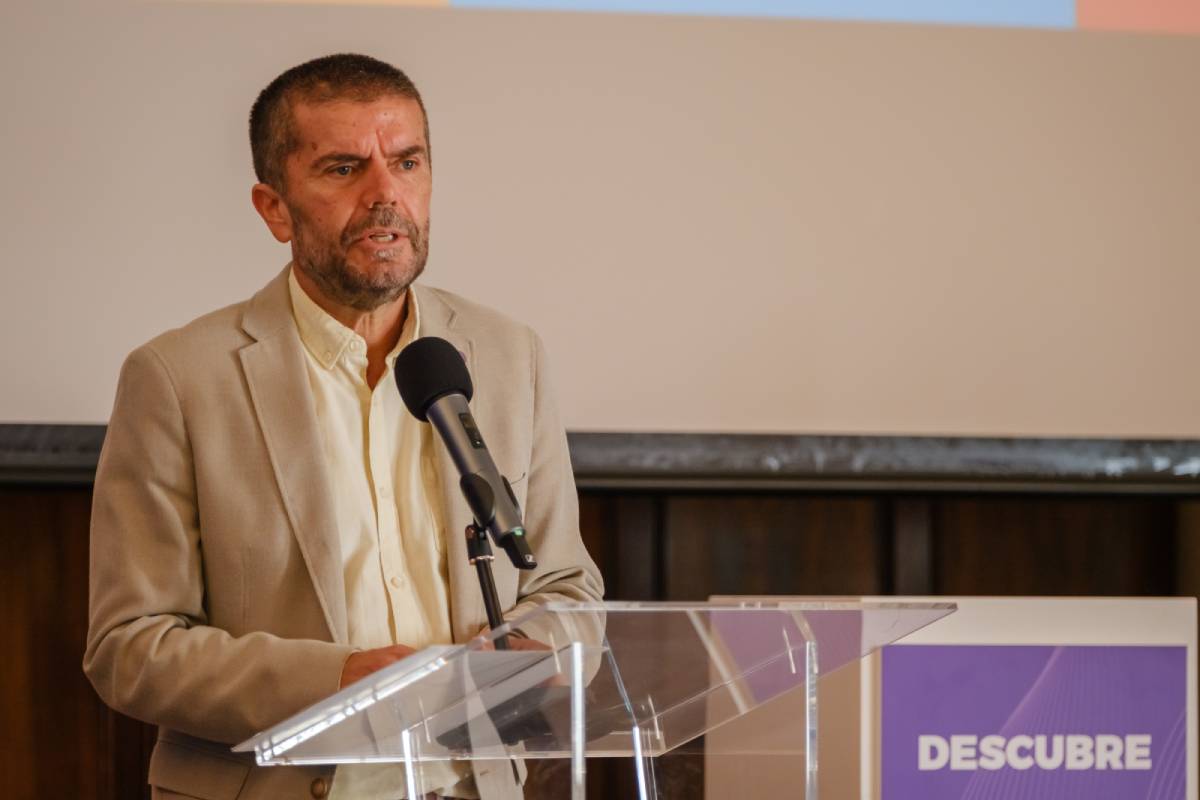
The Rector of the University of La Laguna, Francisco García, explained that STARS EU does not focus exclusively on the traditional functions of academia, such as teaching and research, but is also dedicated to finding solutions to the social, economic, and environmental challenges that regions face. He added that the Canary Islands have always been a perfect laboratory for testing innovative ideas and, therefore, are the ideal setting for an initiative like this CELL, which also aligns with one of STARS EU’s objectives: regional development.
Connecting ecosystems and regions
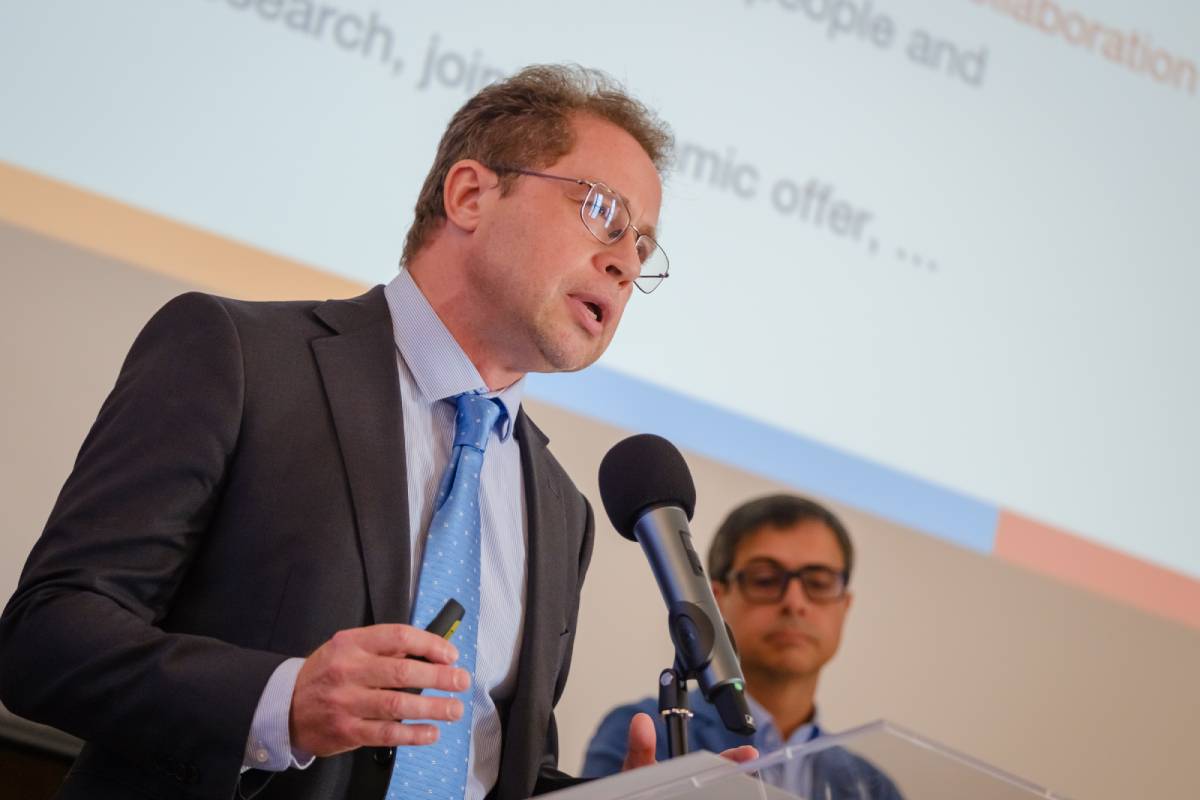
José Sigut, STARS EU coordinator at the University of La Laguna, introduced the Circular Economy Living Lab as an open and interregional innovation space, conceived as a laboratory in real-world environments, where universities, businesses, public administrations, and civil society can work together on the co-creation , experimentation, and implementation of circular economy solutions adapted to the challenges of island and outermost regions. It promotes a practical working model based on learning through experimentation, the development of pilot projects and the transfer of knowledge and technology.
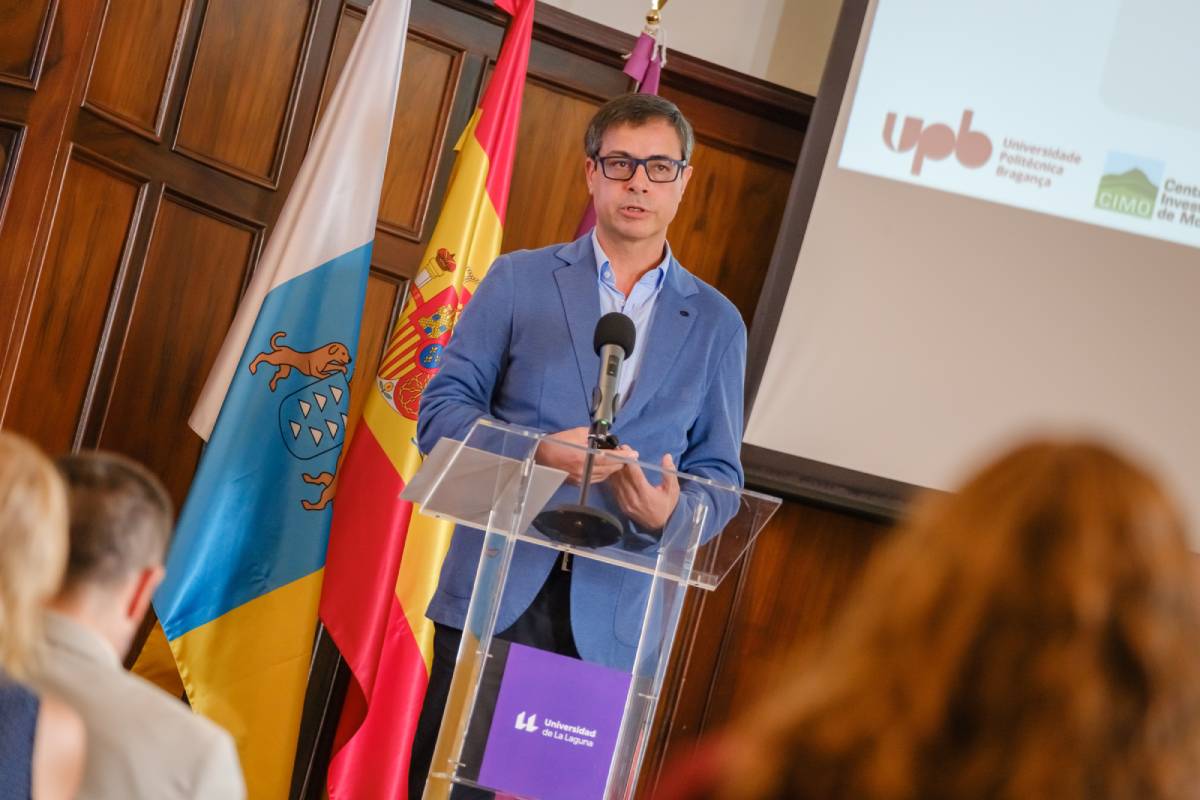
The second speaker, Artur Gonçalves from the Polytechnic University of Bragança (Portugal), presented the circular economy as a structural strategy for island regions that goes far beyond environmental protection or waste management. Its implementation represents an opportunity to strengthen economic autonomy, reduce dependence on foreign markets, and improve the resilience and competitiveness of territories particularly vulnerable to global crises, supply chain disruptions, and high energy costs.
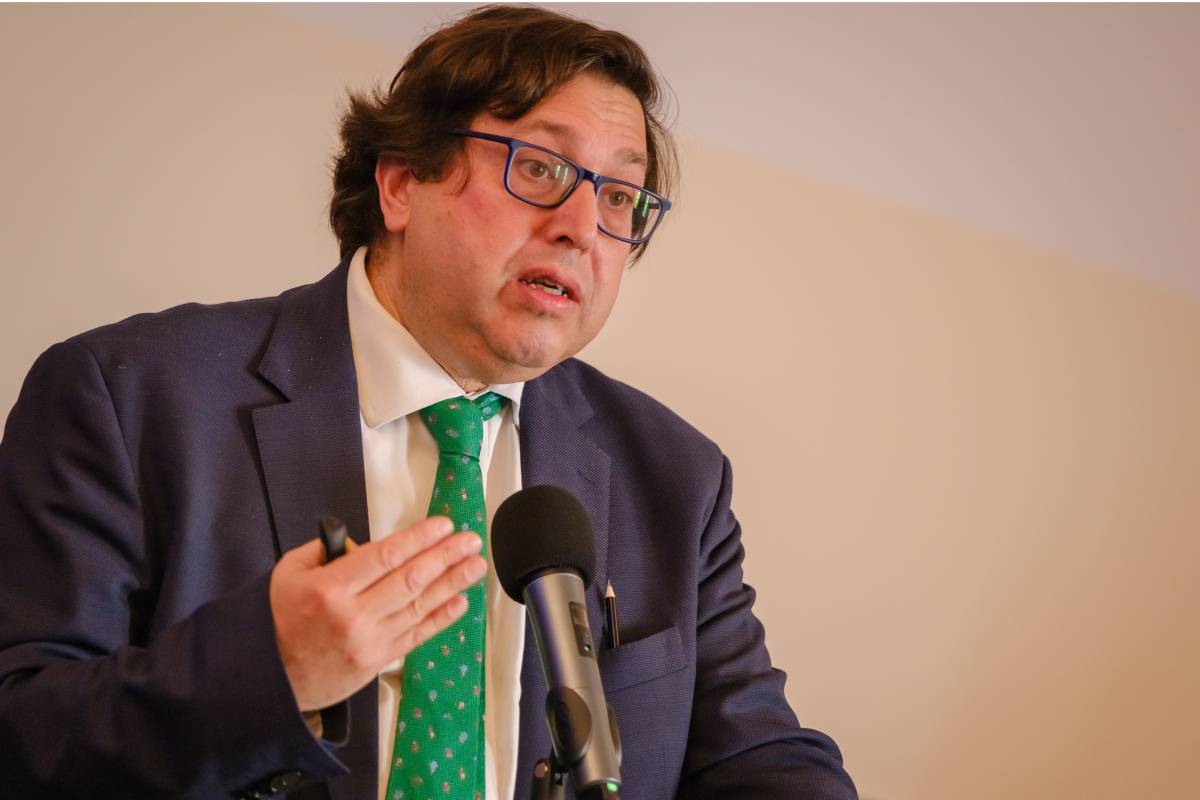
Juanma Revuelta, CEO of the Finnova Foundation , addressed the opportunities offered by the future European Circular Economy Law Act to transform this new regulatory framework into innovation, financing, and projects with economic impact in the territories. The circular economy is emerging not only as an environmental priority but also as a strategic instrument to strengthen European competitiveness, guarantee greater security of supply of critical raw materials, and reduce dependence on resources from third countries.
The impact of the circular economy
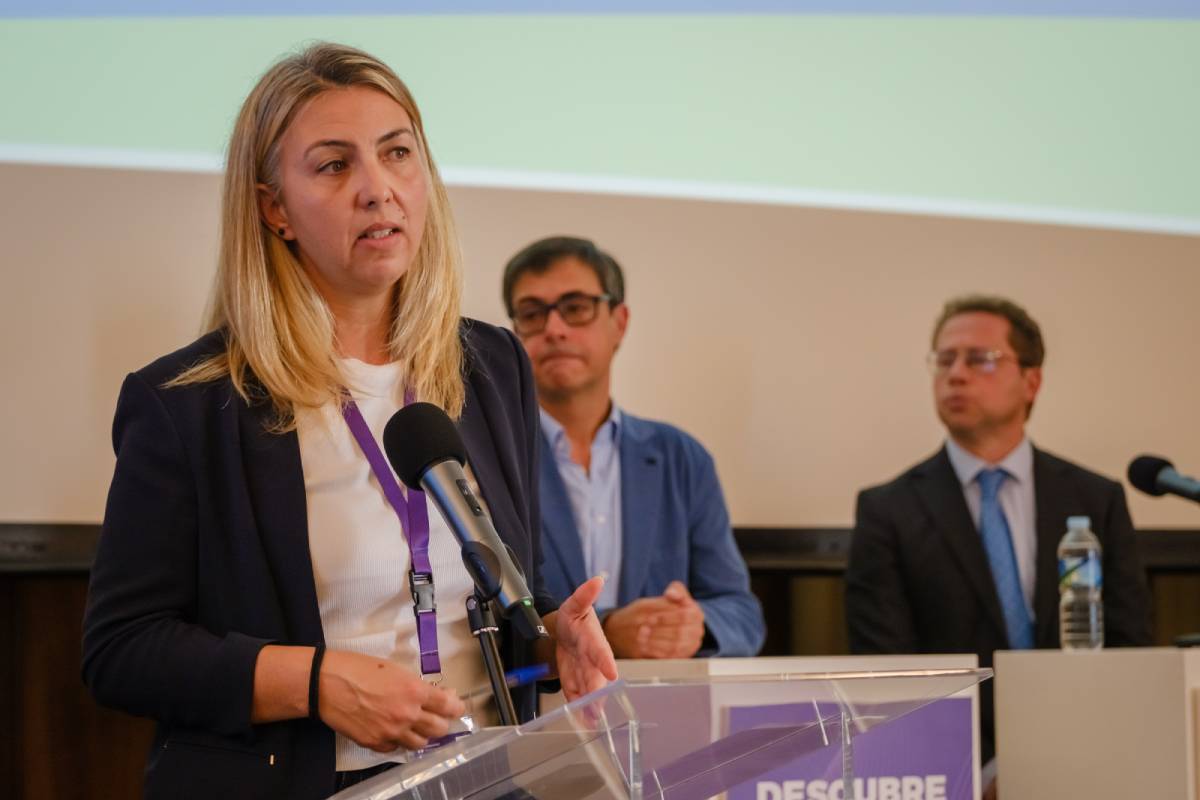
The second part of the event focused on showcasing successful circular economy projects. Silvia Castro, from the Knowledge Transfer Office of ULL, presented the InnoVamos project, funded by the Interreg MAC 2021–2027 program, which aims to strengthen innovation capacity and technological development in the Canary Islands, the Azores, Madeira, and West African countries by creating a cross-border open innovation ecosystem.
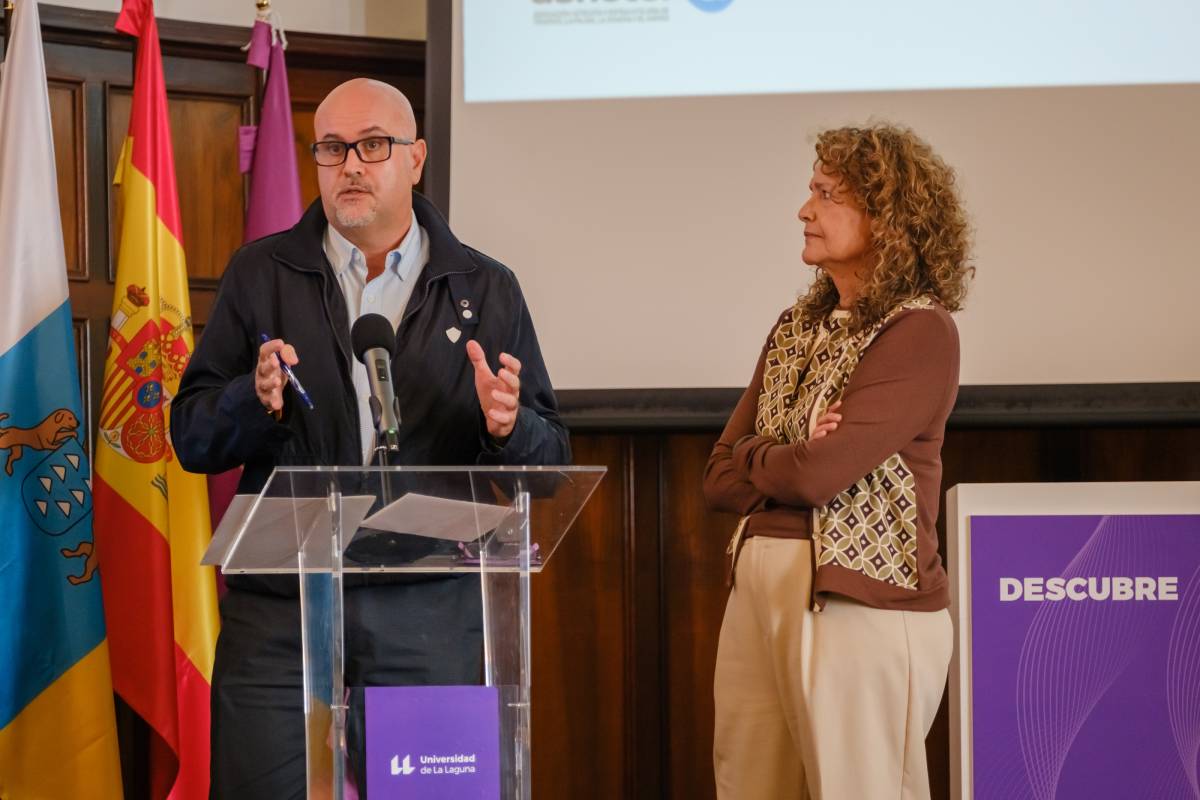
For their part, Noemí Padrón, an ULL economist specializing in tourism and circular economy at the University of La Laguna, and Juan Pablo González, managing director of the Hotel and Non-Hotel Association of S/C de Tenerife (ASHOTEL), presented the Circular Tourist Communities (CTC) project, based on converting organic waste from hotel kitchens into reusable compost for the agricultural sector.

Related Posts
The STARS EU alliance consolidates its long-term commitment in Bragança by signing a Consortium Agreement
The signing of a Consortium Agreement by the nine university rectors and the…

STARS EU Student Case Competition returns to France with an entrepreneurship challenge
Hosted by the University Marie and Louis Pasteur from 9 to 18 November, the…
STARS EU Highlights launches its second season with an episode dedicated to GEDI
STARS EU Highlights launches its second season, hosted by Bragança Polytechnic…