

STARS EU explores new solutions for student mobility in Bremen
June 12, 2026
The meeting brought together 40 participants who worked over three days within the framework of the Staff Week organised by Hochschule Bremen
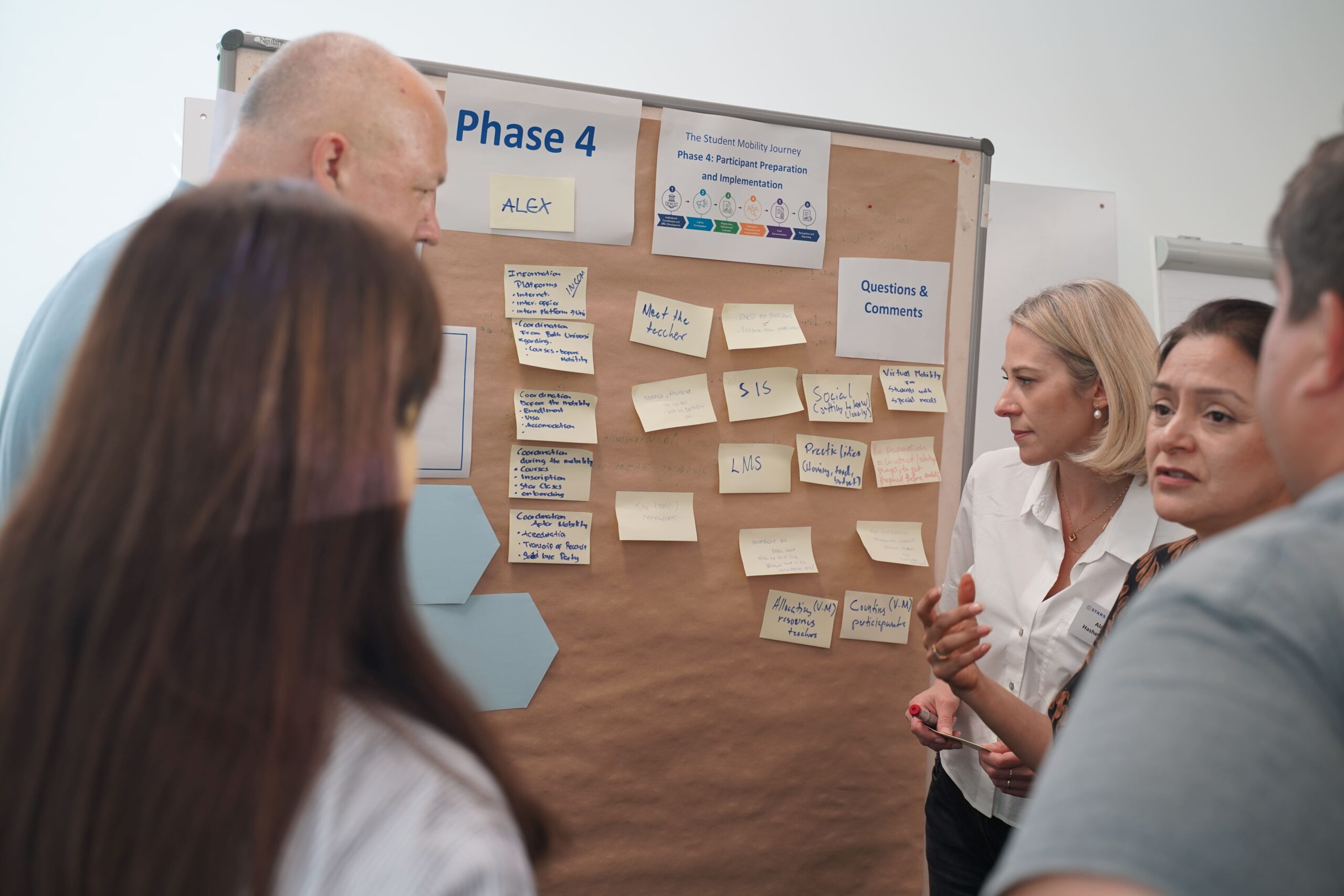
A total of 40 people from the nine STARS EU member universities recently took part in the Staff Week Connecting (Virtual) Mobility Across the Alliance, organised by Hochschule Bremen – City University of Applied Sciences (Germany). The event focused on improving student mobility and strengthening international cooperation. While the main emphasis was placed on online mobility and the use of digital tools to support internationalisation processes, a significant part of the work was also devoted to rethinking and enhancing physical mobility.
The meeting provided an in-depth analysis of the entire mobility cycle, identifying common challenges and exploring innovative and effective solutions through collaborative formats such as thematic panels, brainstorming sessions, and participatory activities. All of this aimed to make mobility more accessible, better coordinated, and more centred on the needs of STARS EU students.
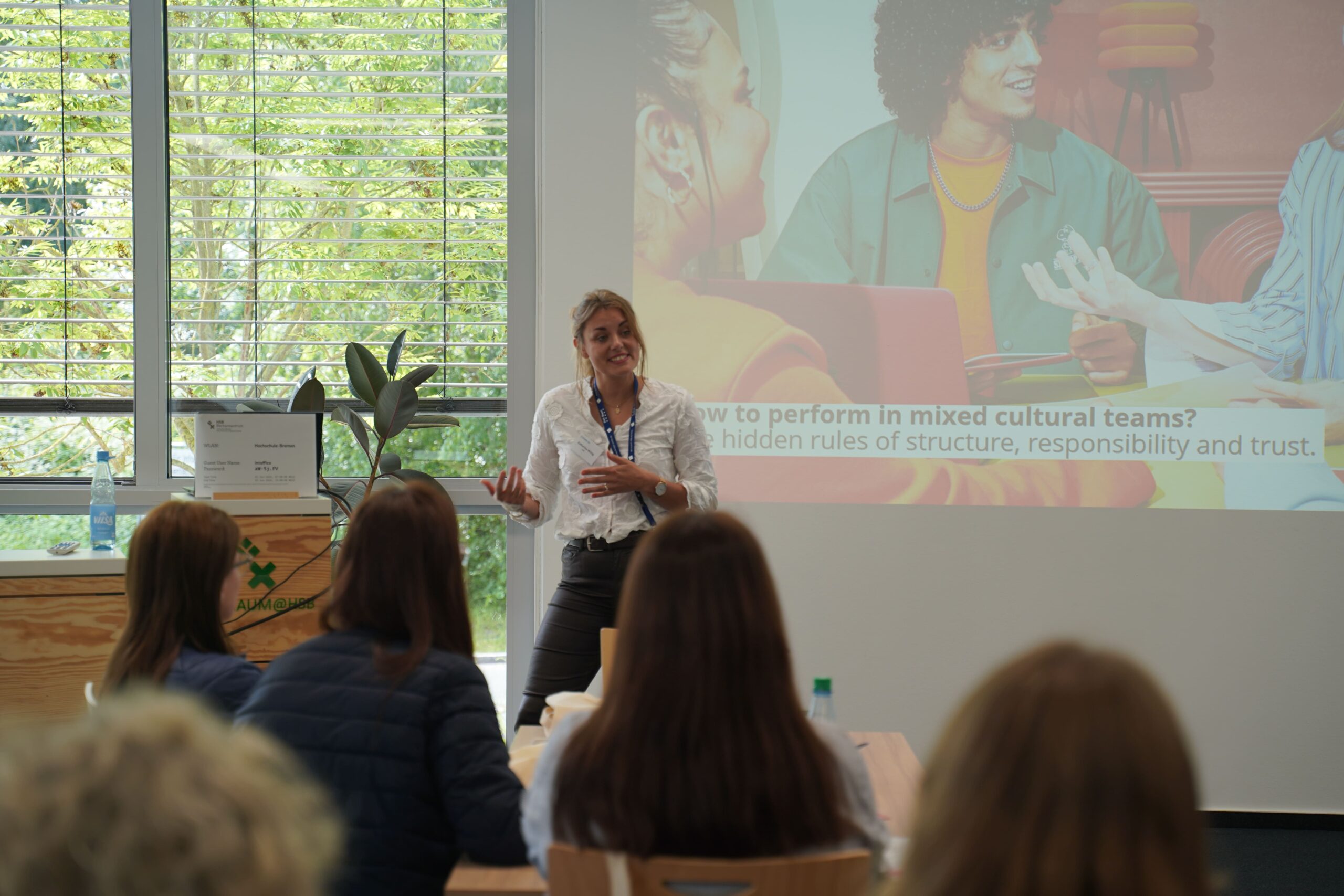
The first day focused on intercultural reflection and a comprehensive analysis of the Student Mobility Journey. After an initial session on how cultural differences influence institutional collaboration, participants worked in thematic panels in a World Café format, addressing all stages of physical mobility—from inter-institutional cooperation to promotion, selection, stays abroad, and academic recognition. The exchange allowed participants to compare experiences, identify areas for improvement, and share existing best practices within the alliance.
Physical mobility versus digital mobility
The second day focused on programme implementation and the connection between physical and digital mobility, with particular attention to Blended Intensive Programmes (BIPs). Procedures were analysed, and ways to simplify coordination between institutions were explored through brainstorming activities, which generated ideas on how to improve planning, participant recruitment, and the student experience.
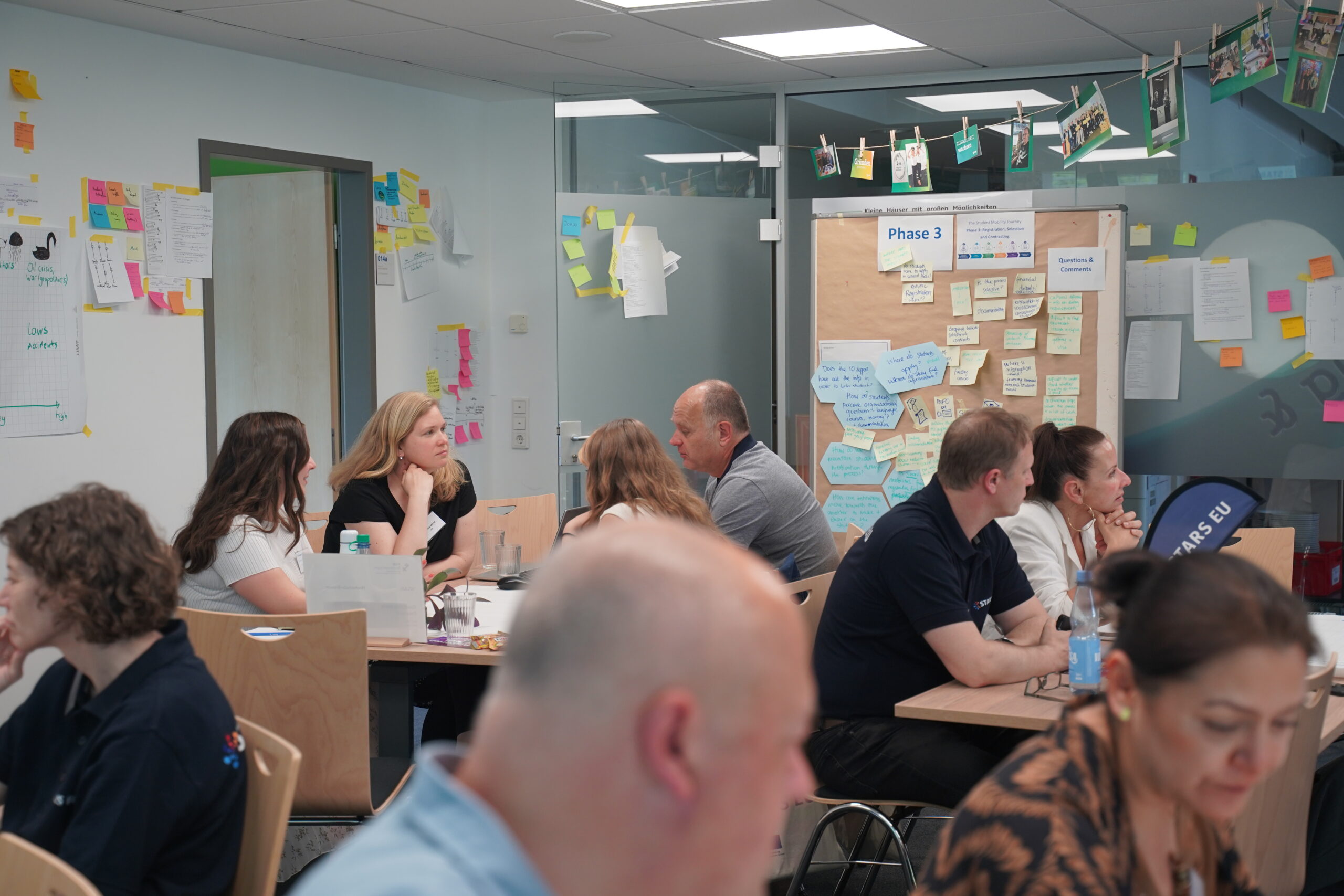
The session also included the presentation of digital tools such as the AGORA platform, as well as discussions on the role of virtual mobility as a complement to physical mobility. At the same time, internal and external communication strategies were addressed, highlighting the need to combine clear information with more inspiring and student-oriented approaches.
Working methods
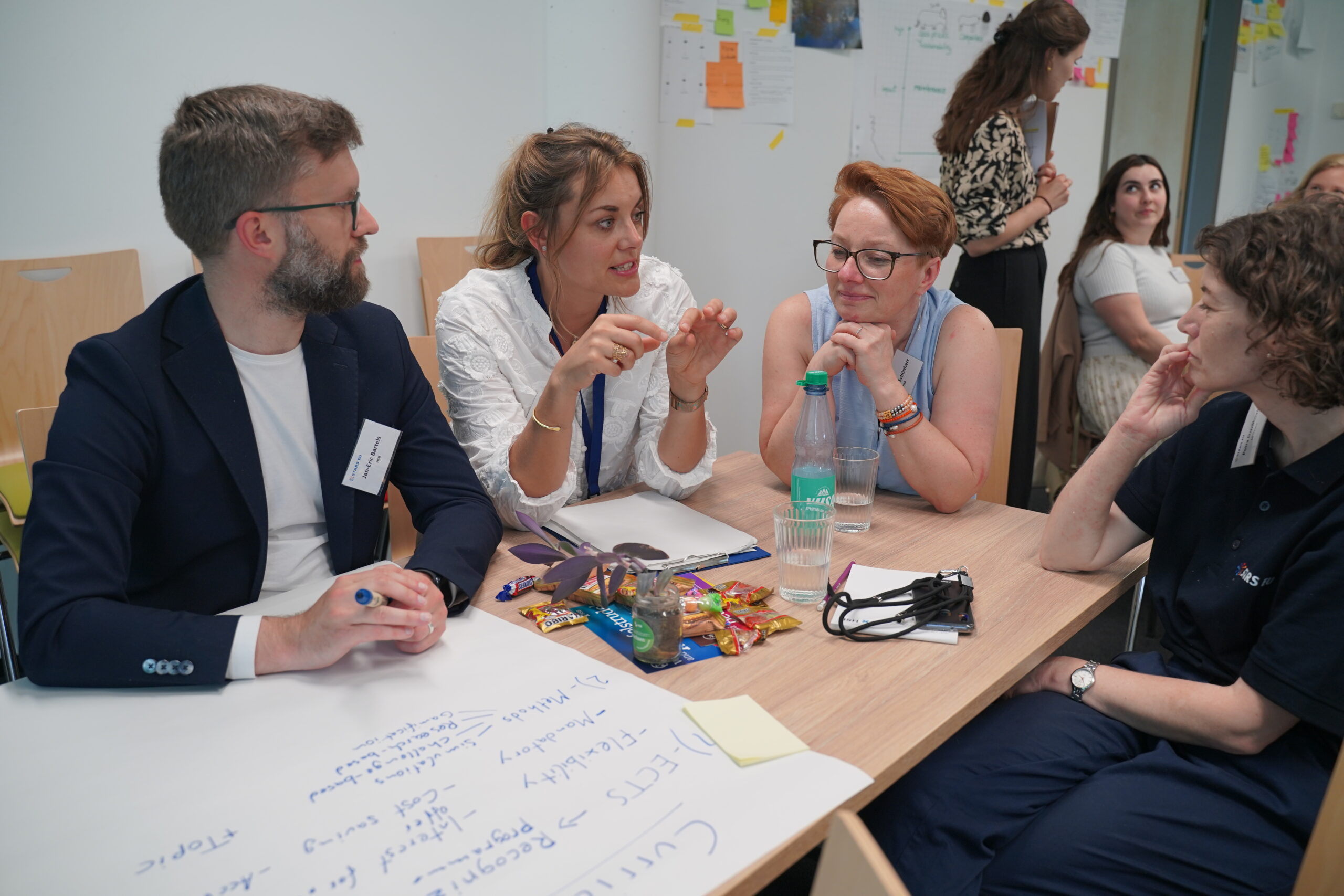
The third day was dedicated to designing concrete solutions through collaborative methodologies. Using structured brainstorming supported by LEGO® Serious Play®, participants first visualised an ideal model of student mobility and then identified barriers in both physical and digital mobility. Based on this work, proposals were developed to improve coordination between institutions, optimise administrative processes, and enhance the quality of the student mobility experience.
Formal sessions were complemented by informal networking opportunities, which helped strengthen relationships and foster exchange between the member universities represented at the meeting.

Related Posts
STARS EU Goes Global: Alliance community meets in Bragança for 2026 Annual Meeting
The STARS EU community will come together at Bragança Polytechnic University…

One song, Different voices, One STARS EU
Four of our university's choirs came together around one of the most iconic…
STARS EU researchers explore pilot projects for collaboration in tourism at ULL
The meeting brings together universities from Kraków and Bragança to lay the…