
FutureLab Camp 2026 presents solutions to accelerate the energy transition, advance green hydrogen and enhance sustainable student living
June 17, 2026
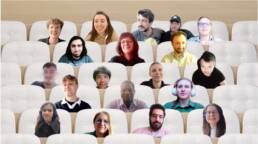
 The second edition of FutureLab Camp generated specific proposals addressing three key areas of regional transformation: the energy transition, hydrogen innovation, and sustainable student living. The programme, which concluded on 11 June 2026 with the presentation of three projects developed from real-world challenges in collaboration with institutional partners from the Belfort-Montbéliard region, was hosted by Marie et Louis Pasteur University (UMLP) and organised in the Blended Intensive Programme (BIP) format.
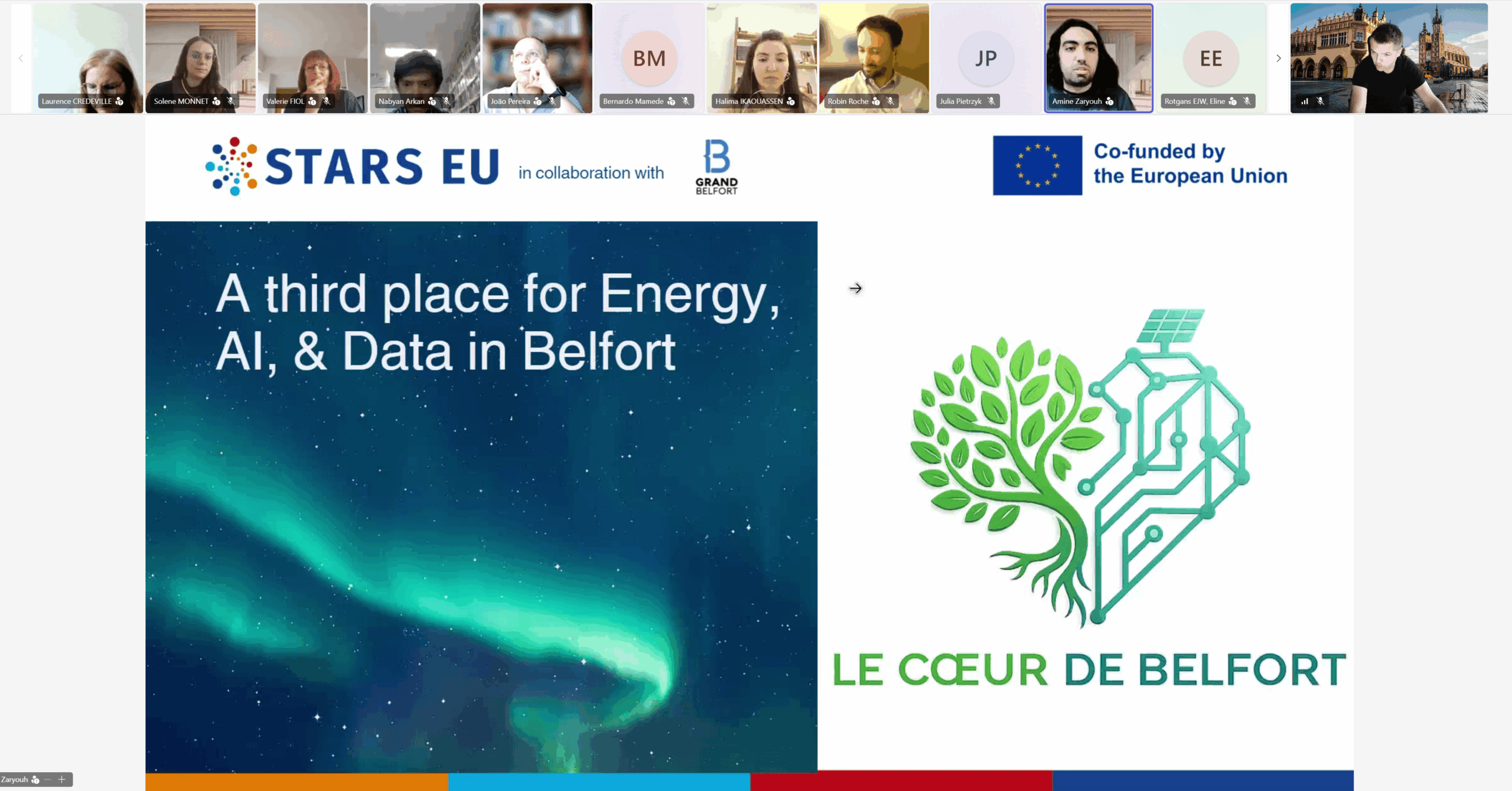
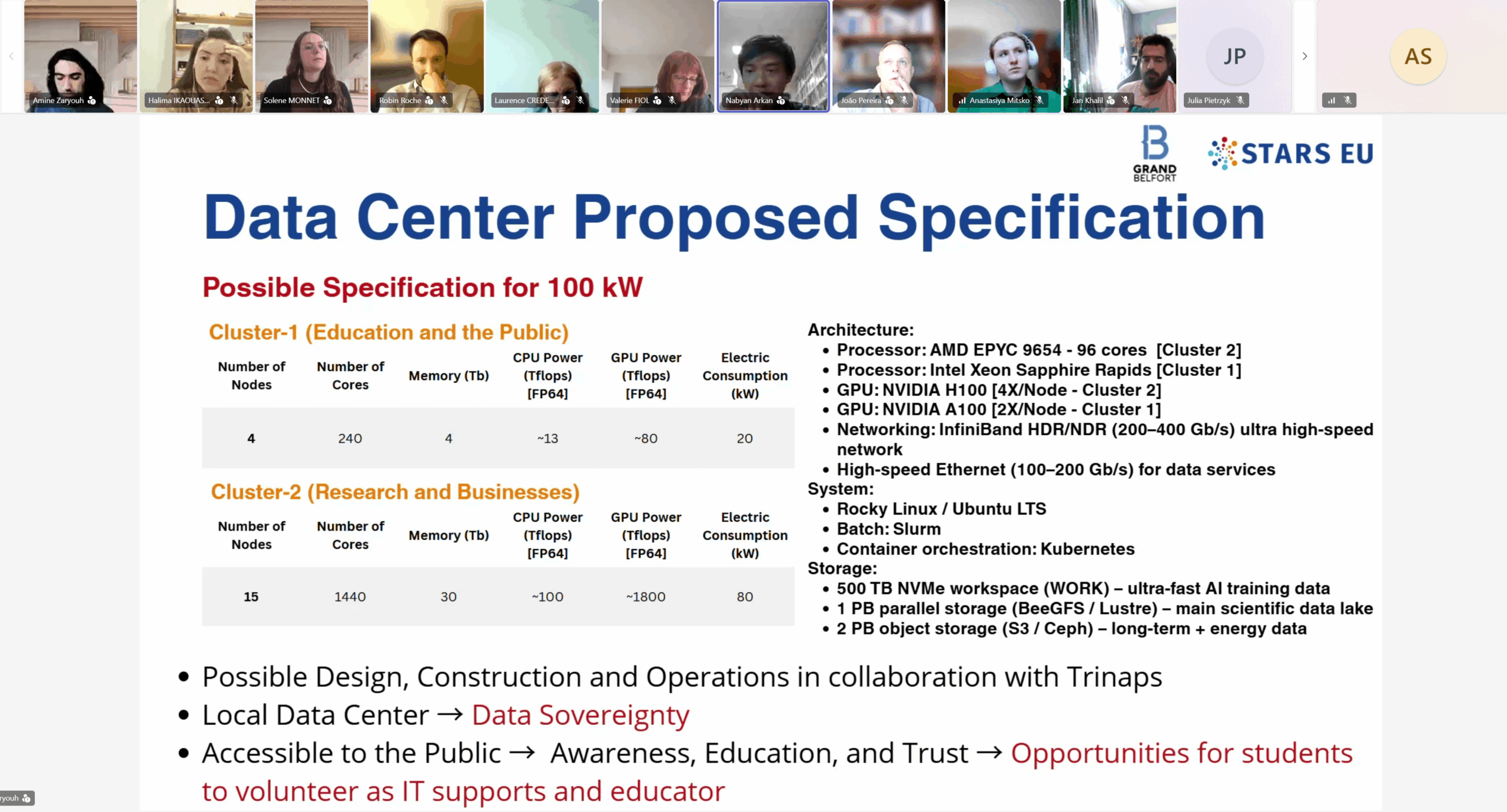
One project focused on the creation of an Energy, Artificial Intelligence and Data Innovation Hub for Belfort, developed in collaboration with Grand Belfort Communauté d’Agglomération. The proposal outlined a collaborative space integrating researchers, startups, industry and citizens, including renewable-energy-based infrastructure, AI and data facilities, educational areas and demonstration laboratories.
 Hydrogen innovation
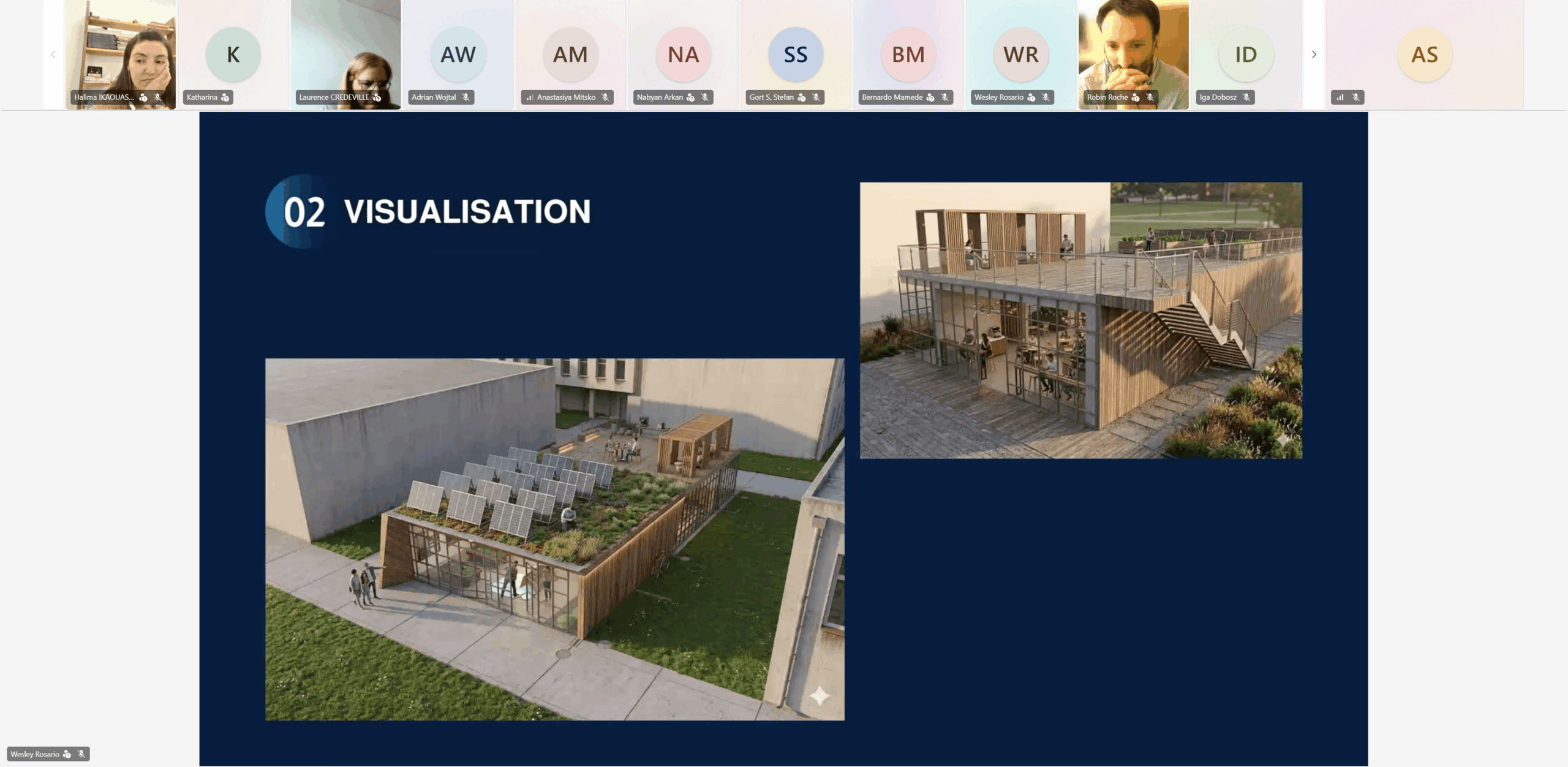
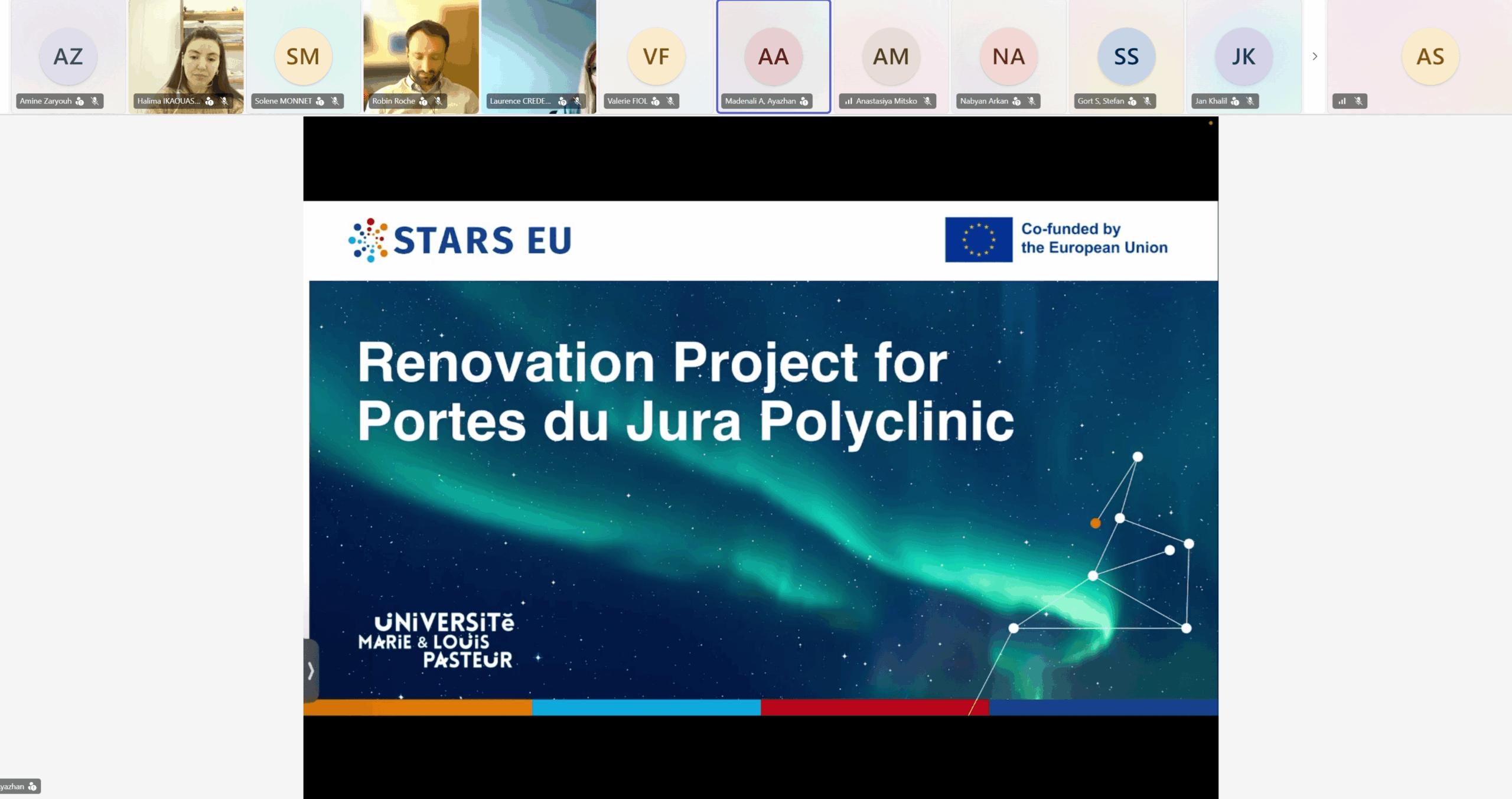
A second project, developed with Pays de Montbéliard Agglomération, explored the transformation of the former Portes du Jura Polyclinic into a public hydrogen innovation centre. The concept combined hydrogen production and storage demonstrators, interactive exhibition spaces, sustainable construction solutions, entrepreneurship areas and outreach activities aimed at citizens.
More sustainable campuses
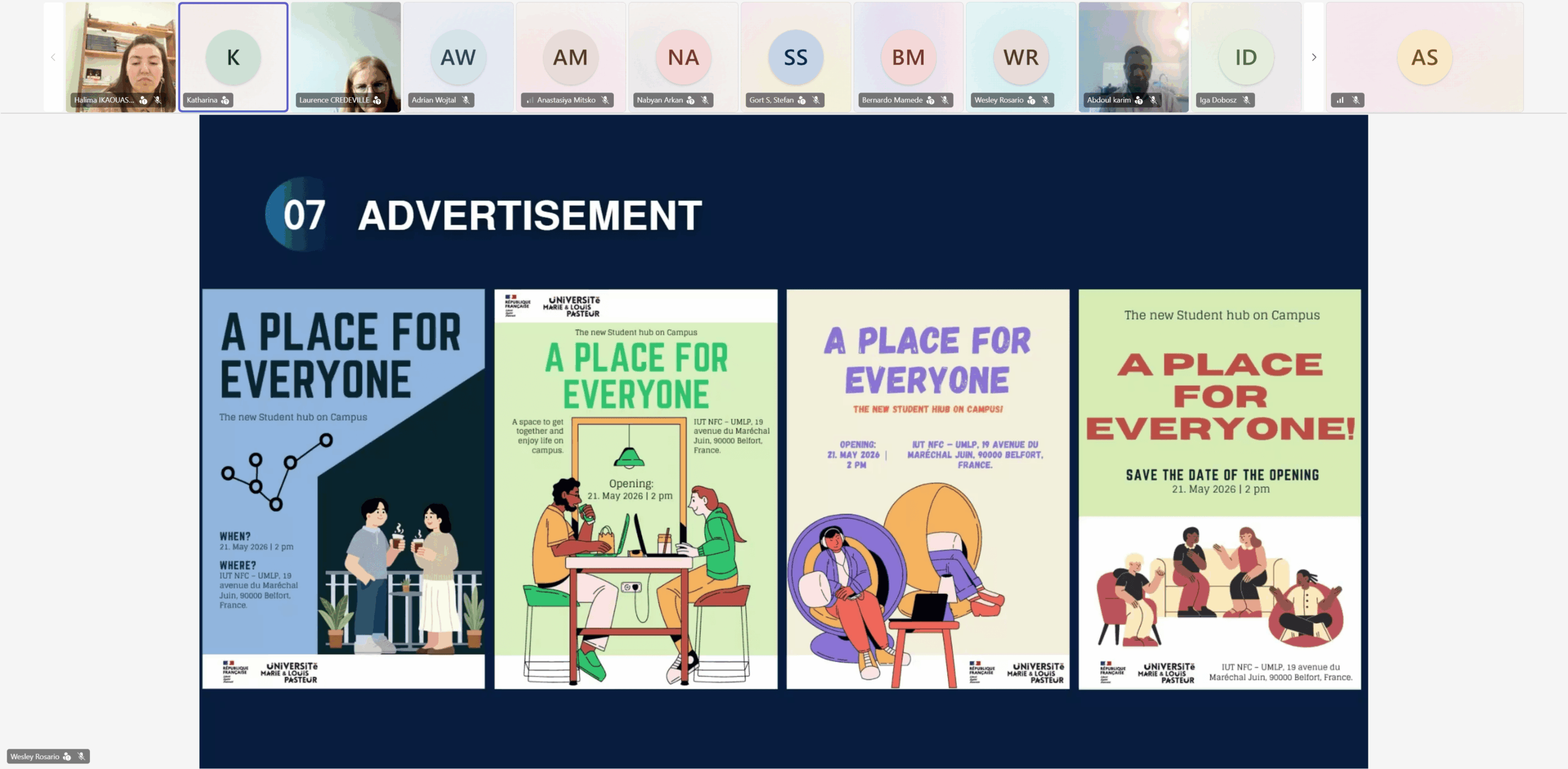
The third project addressed sustainable student living environments in collaboration with the Université Marie et Louis Pasteur. Students designed inclusive, energy-efficient and environmentally friendly housing proposals aimed at improving quality of life, strengthening community life and integrating innovative technologies into university spaces.
Multidisciplinary teams
Organised within the framework of STARS EU – Strategic Alliance for Regional Transition, FutureLab Camp brought together 34 students from all partner universities, who worked in multidisciplinary and multicultural teams, addressing real regional challenges related to sustainability and innovation.
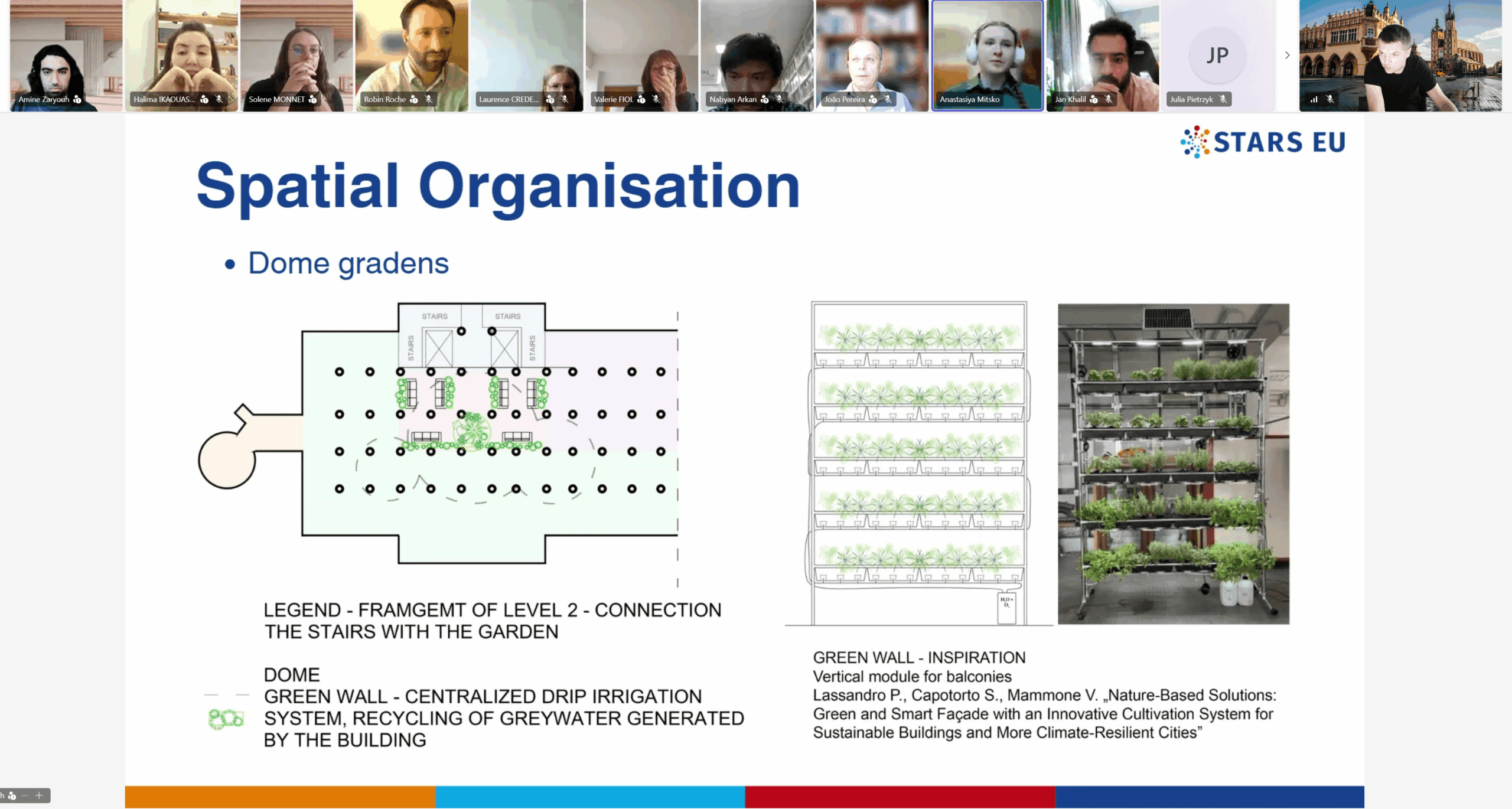 The programme combined challenge-based learning with direct cooperation between students, academic staff and regional stakeholders. Following an intensive on-site phase held in March 2026 in Belfort (France), the teams continued their work online until June, during which they developed and refined their proposals into complete projects.
Reflecting on the results, Prof. Robin Roche from Université Marie et Louis Pasteur highlighted the quality of the students’ work: “The level of commitment, creativity and professionalism demonstrated by the international student teams has been truly impressive. Over the past months, students from different countries and disciplines learned how to collaborate effectively, transforming ambitious ideas into well-developed project concepts. Their ability to combine technical knowledge, sustainability thinking and social perspectives demonstrates the enormous potential of international challenge-based education.”
Dr. Halima Ikaouassen emphasised that the diversity of the teams played a crucial role in the success of the projects: “What makes FutureLab Camp unique is the richness of perspectives brought by students from across Europe. The final presentations clearly showed that international cooperation leads to more innovative and comprehensive solutions than any single discipline or national perspective could achieve alone.”
Next stop: Portugal
The second edition builds on the inaugural edition held in Kraków in 2025 and reinforces the role of European university alliances in regional transformation through international and interdisciplinary collaboration. The next edition is scheduled for 2027 at the Bragança Polytechnic University (Portugal).

Related Posts
WEAVE 2027 – Call for Papers
The STARS EU community will come together at Bragança Polytechnic University…

STARS EU Goes Global: Alliance community meets in Bragança for 2026 Annual Meeting
The STARS EU community will come together at Bragança Polytechnic University…
One song, Different voices, One STARS EU
Four of our university's choirs came together around one of the most iconic…