

The STARS EU alliance consolidates its long-term commitment in Bragança by signing a Consortium Agreement
October, 26, 2026
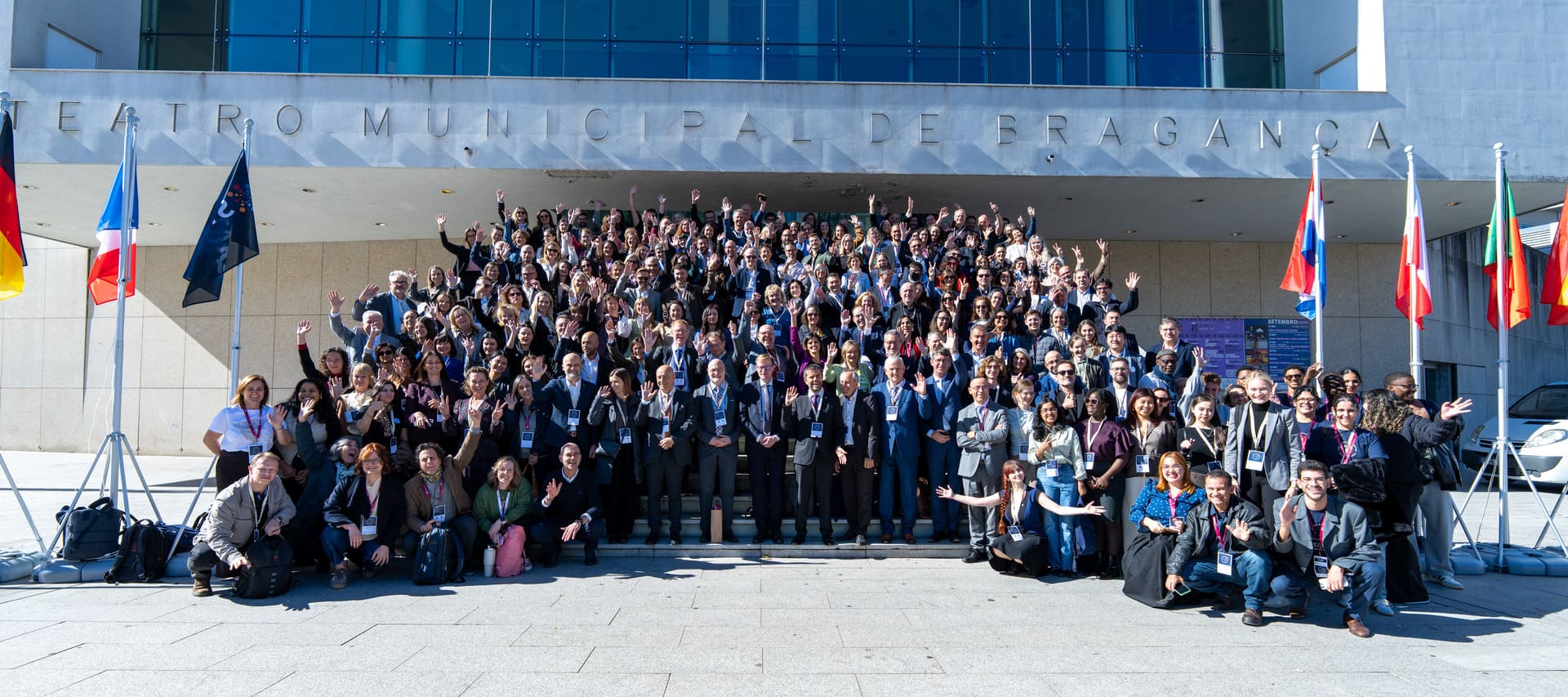
The new strategic Plan, extending to 2037, sets out the alliance’s priorities to accelerate regional development through education, research, innovation and service to society
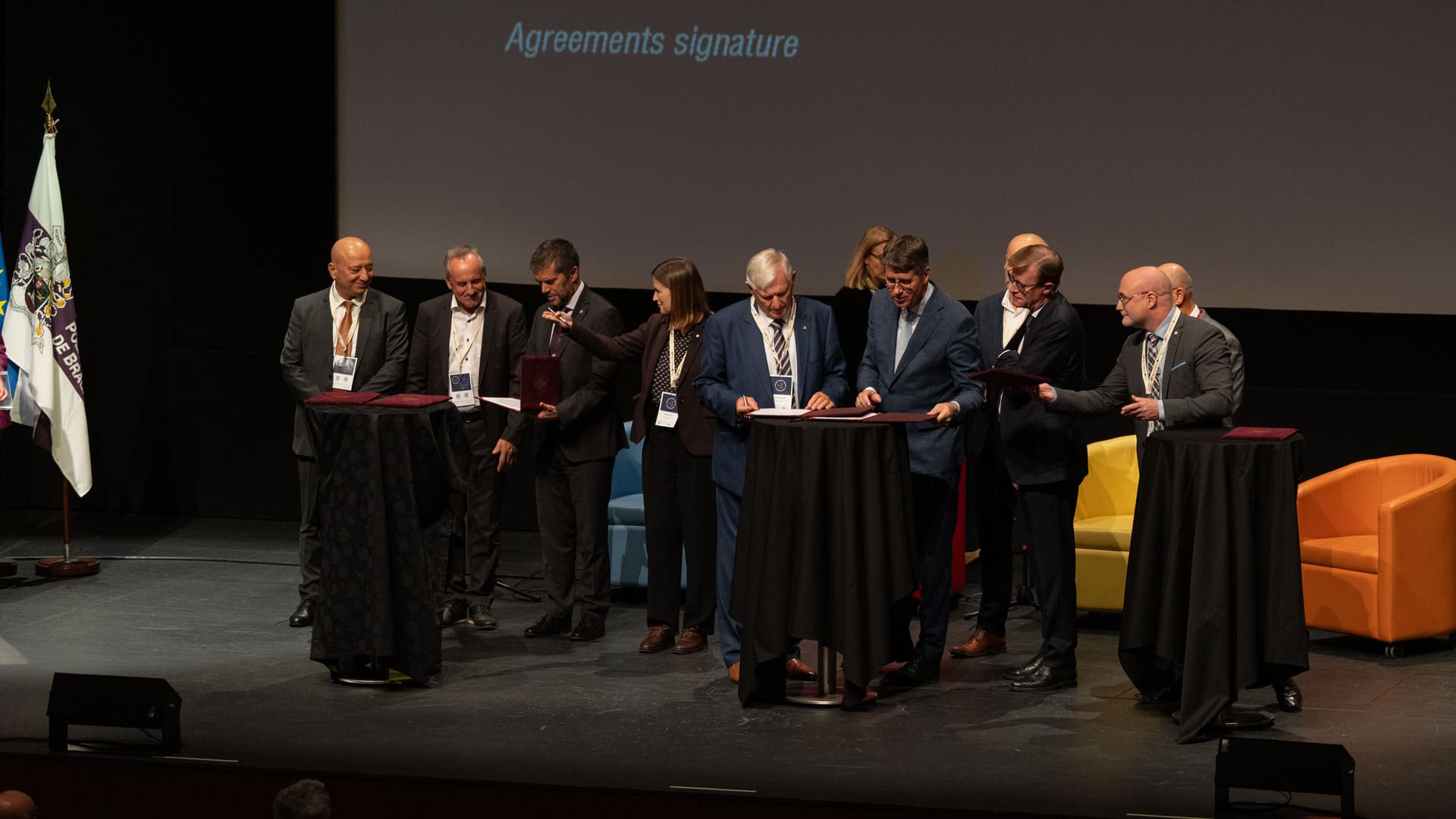
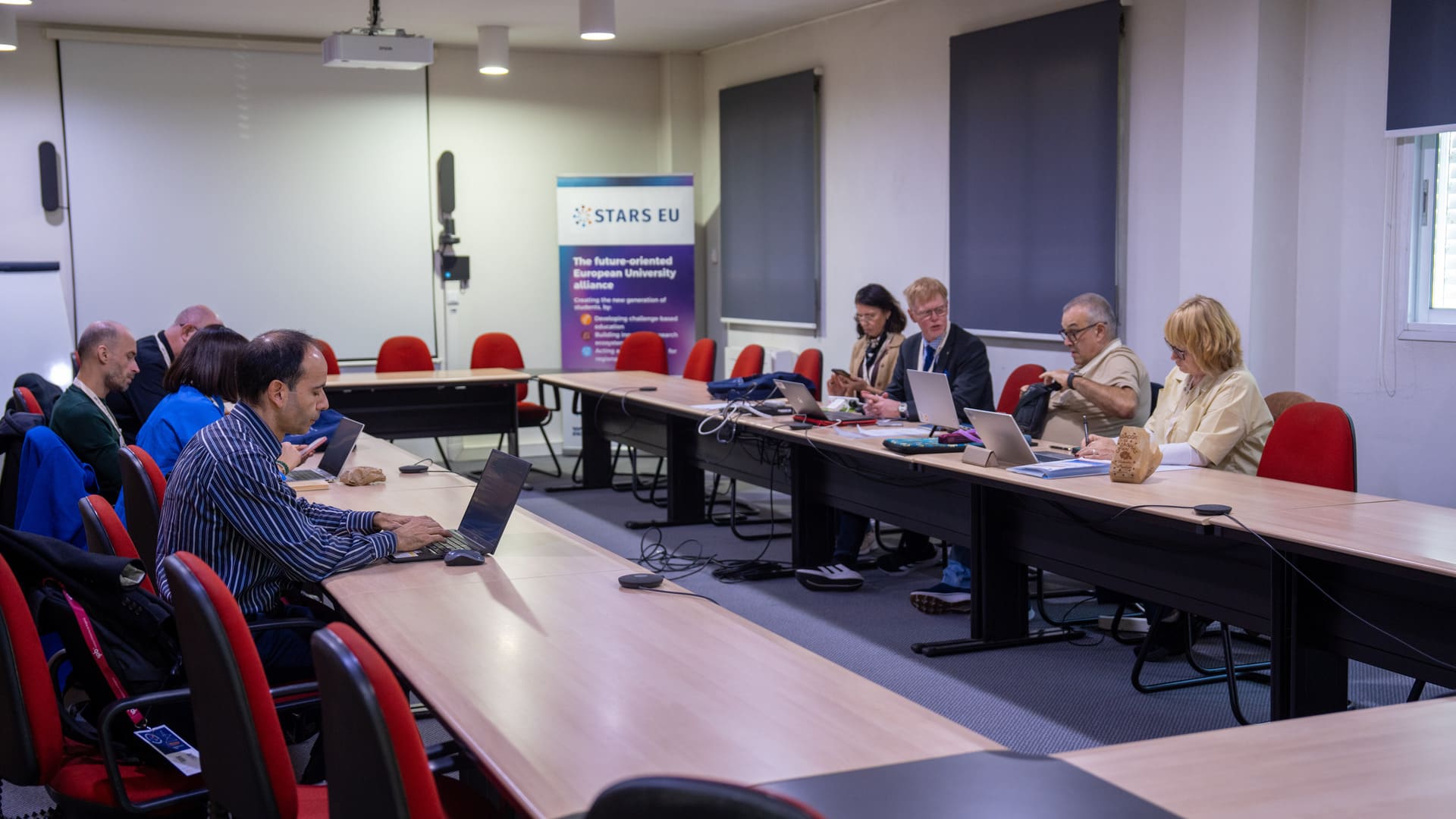
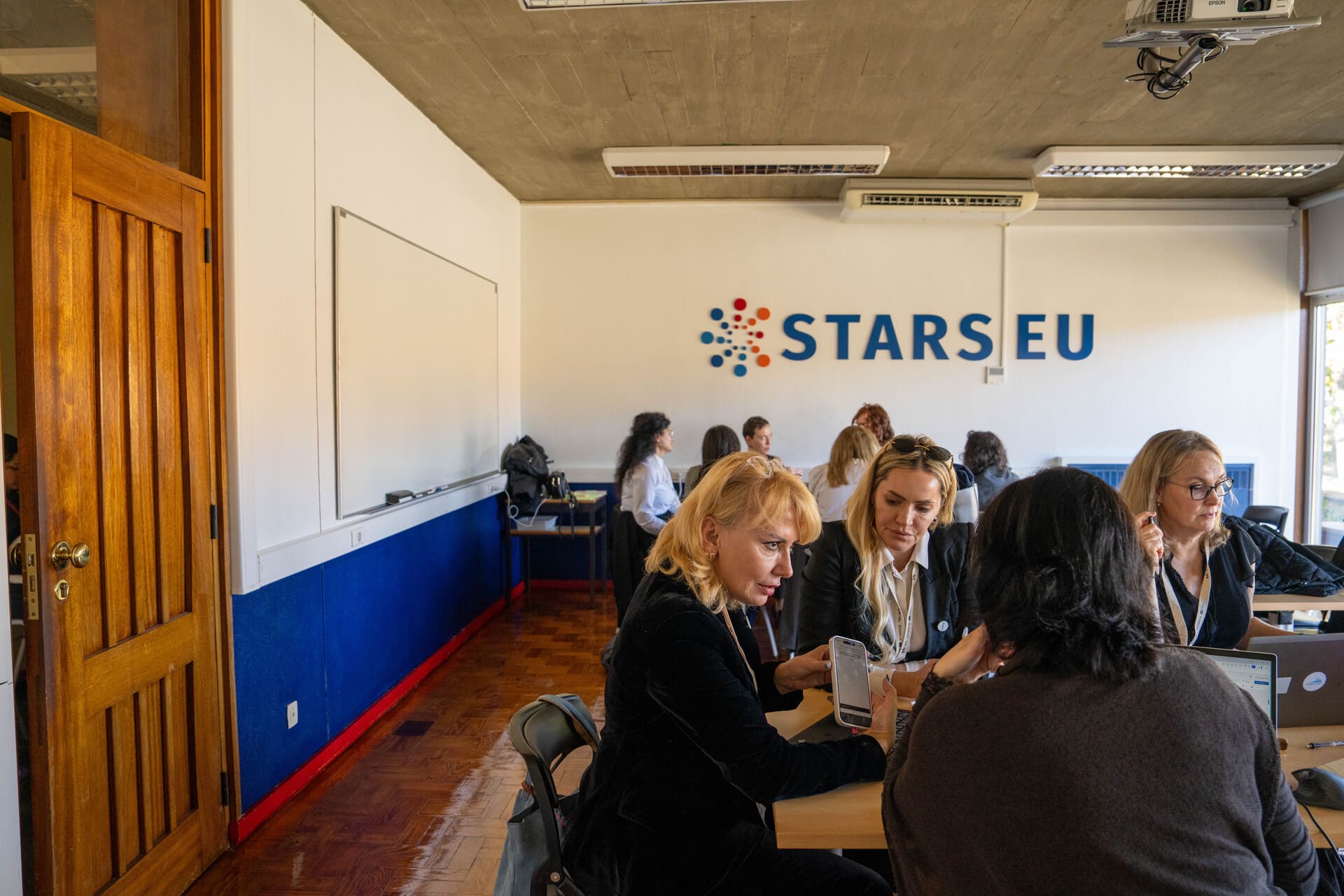
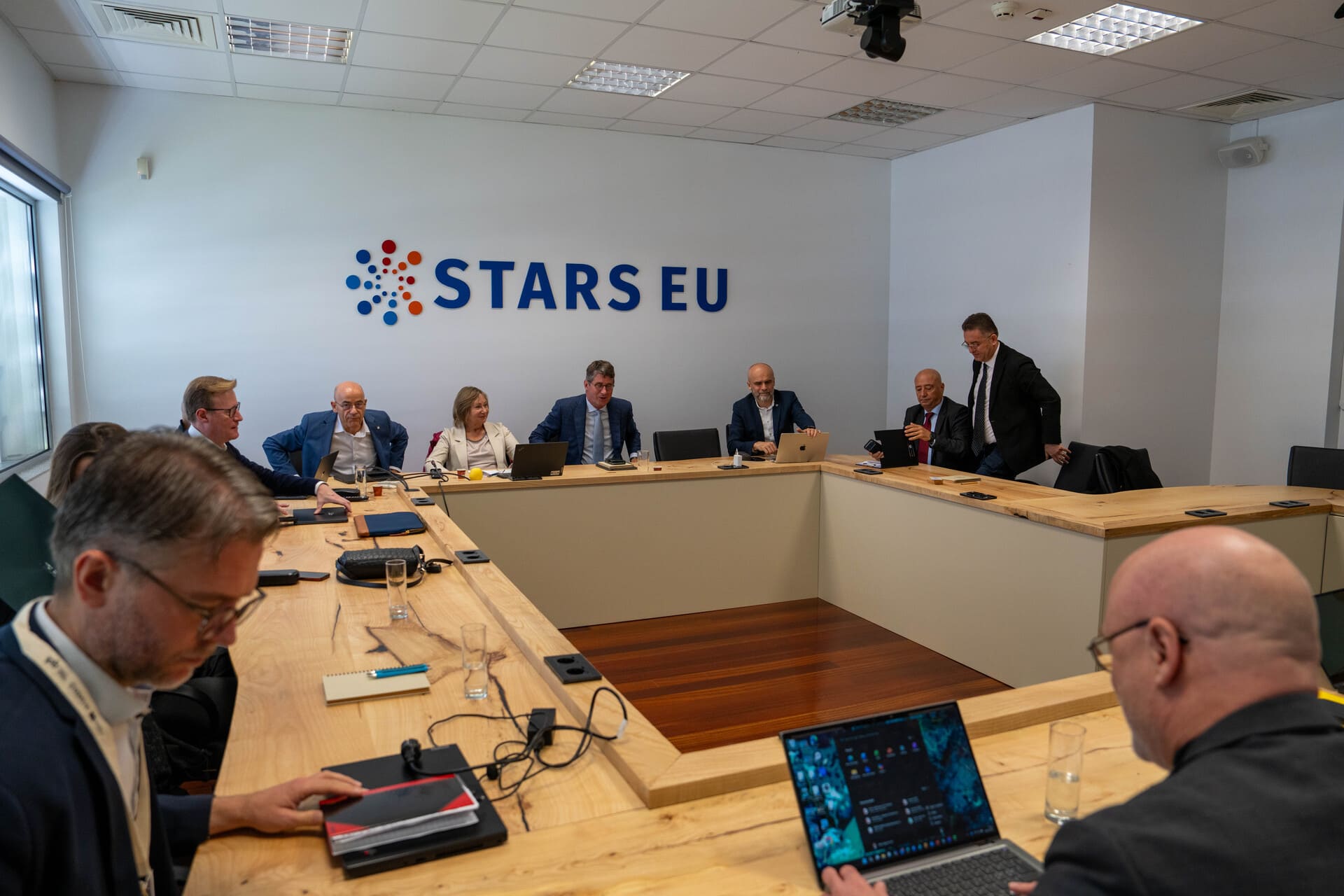
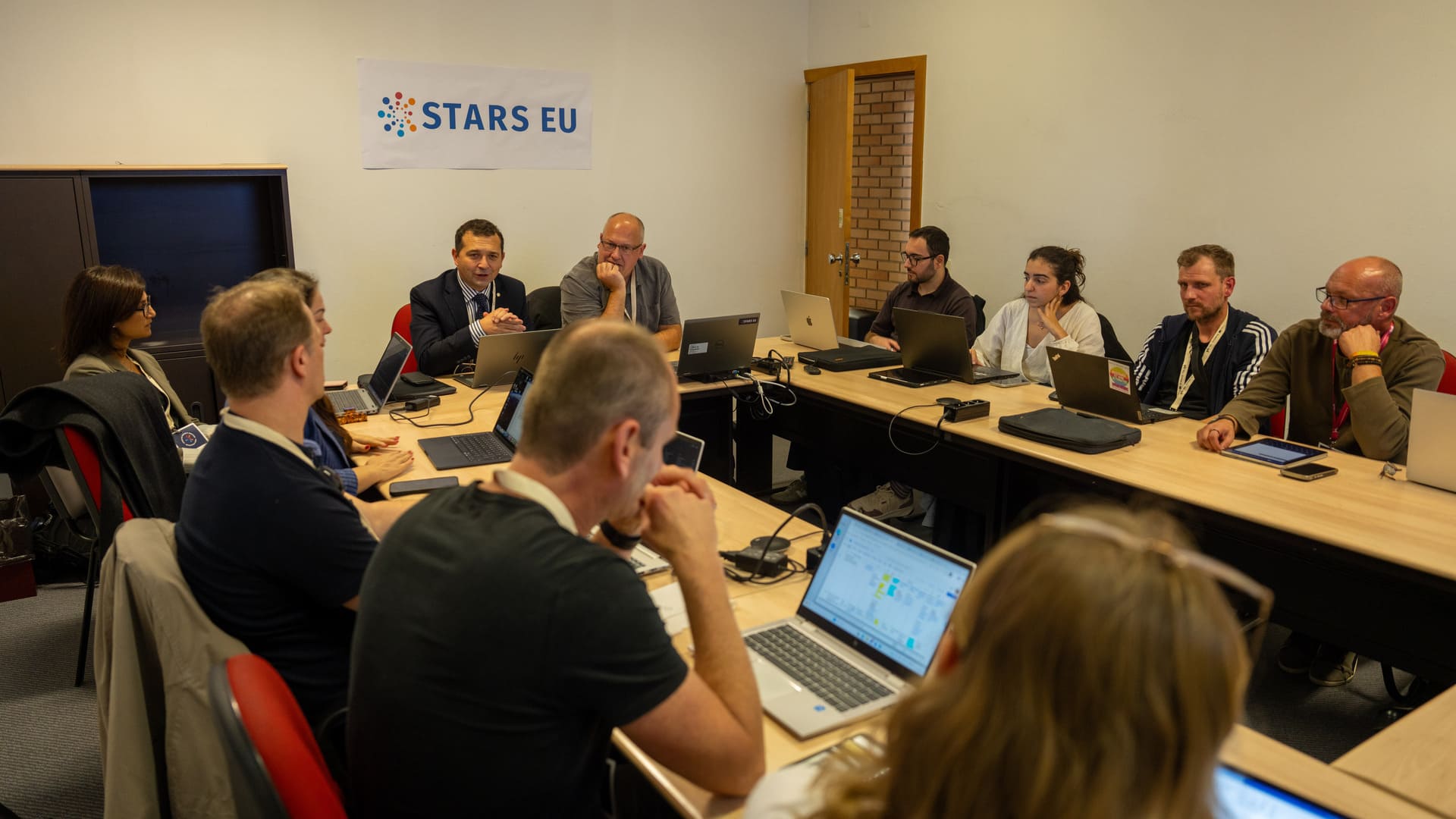
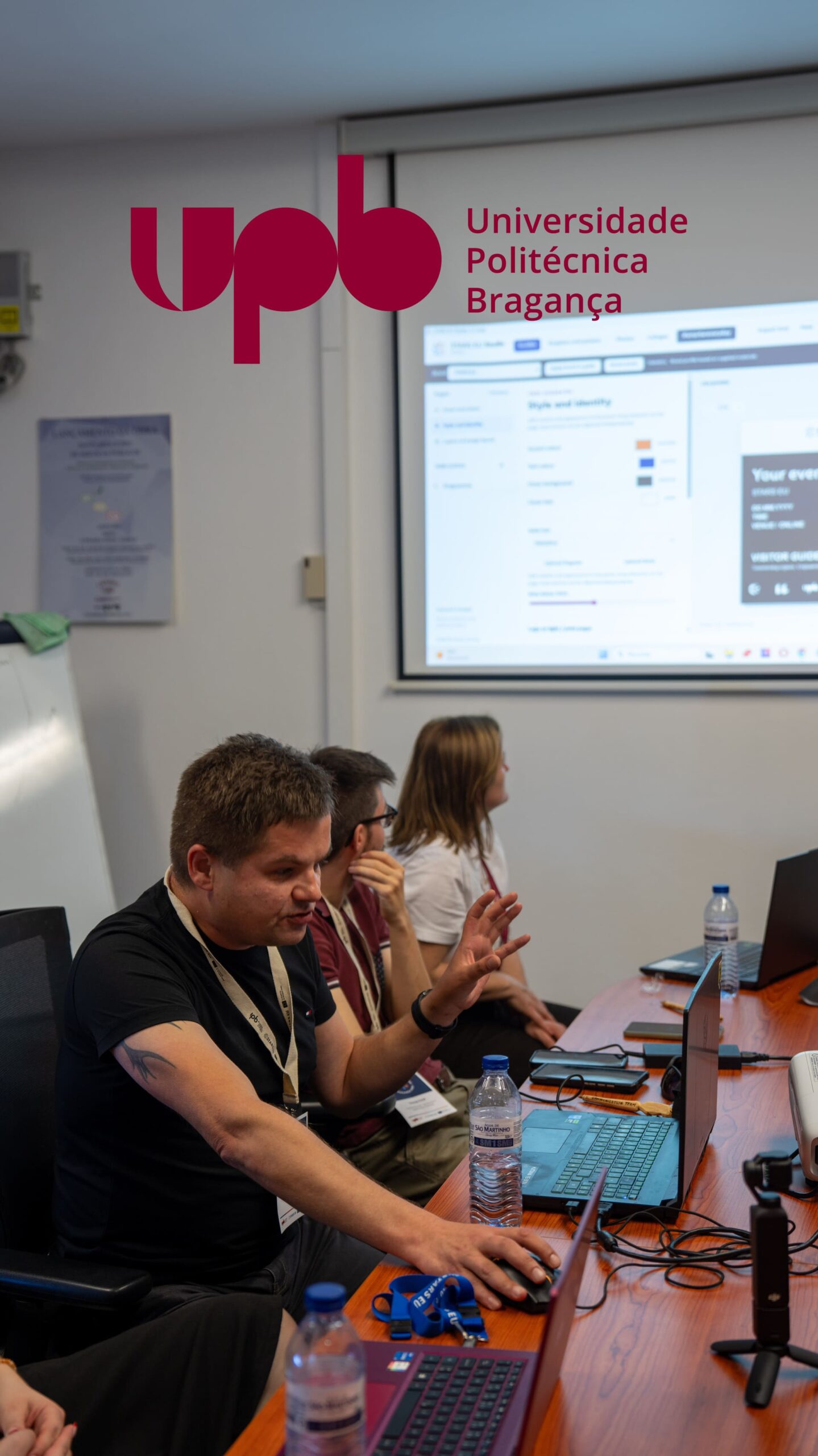
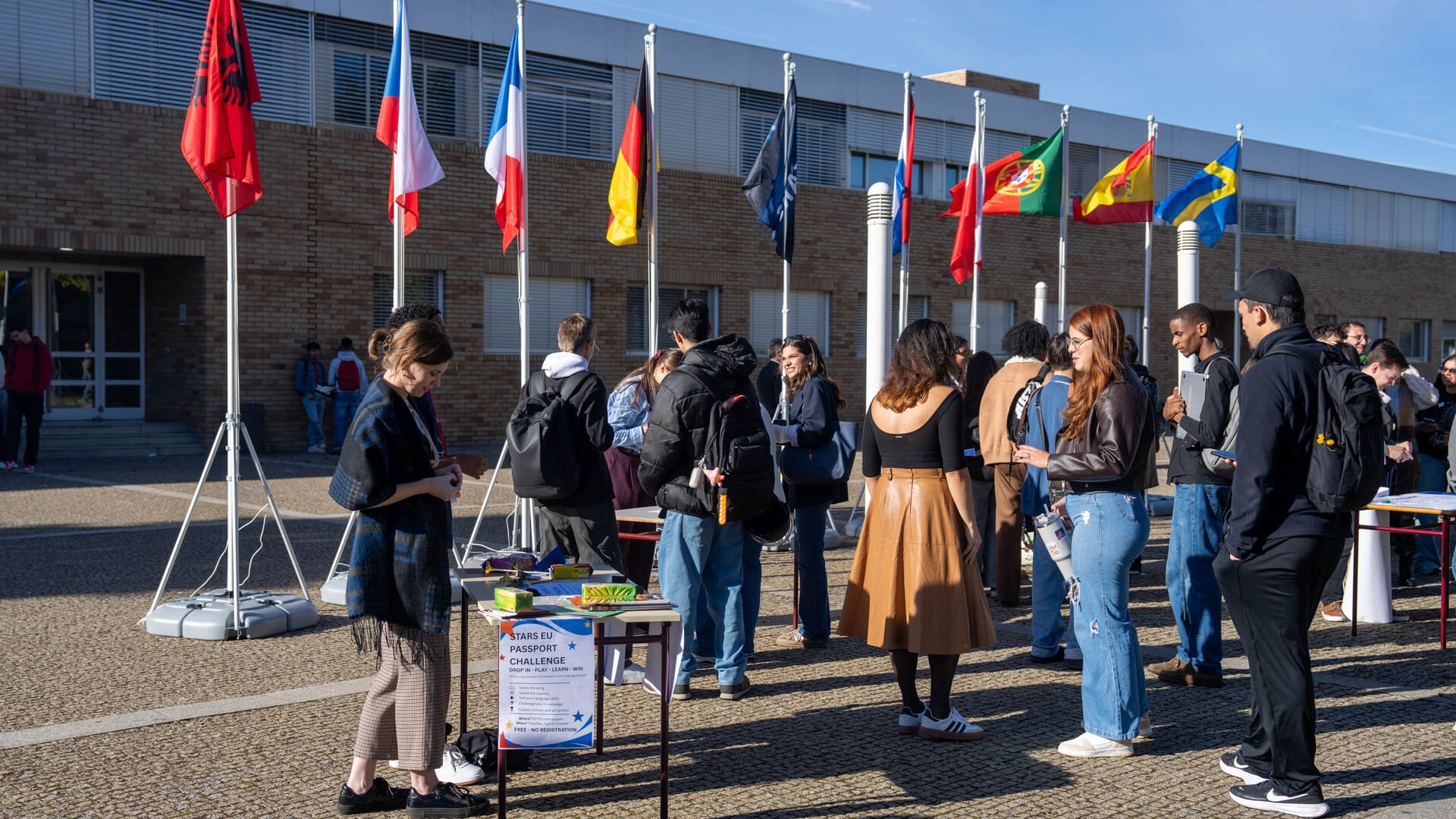
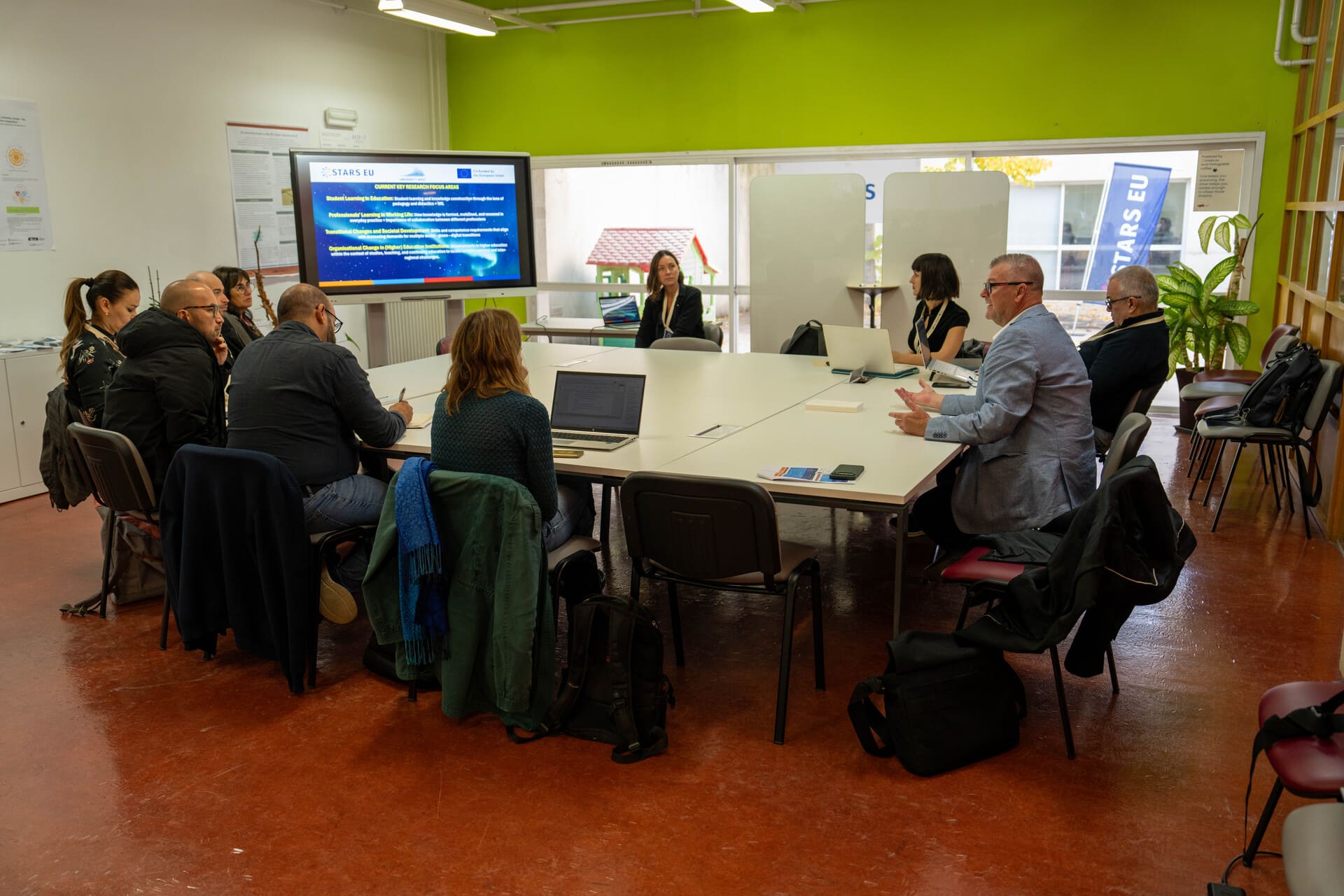
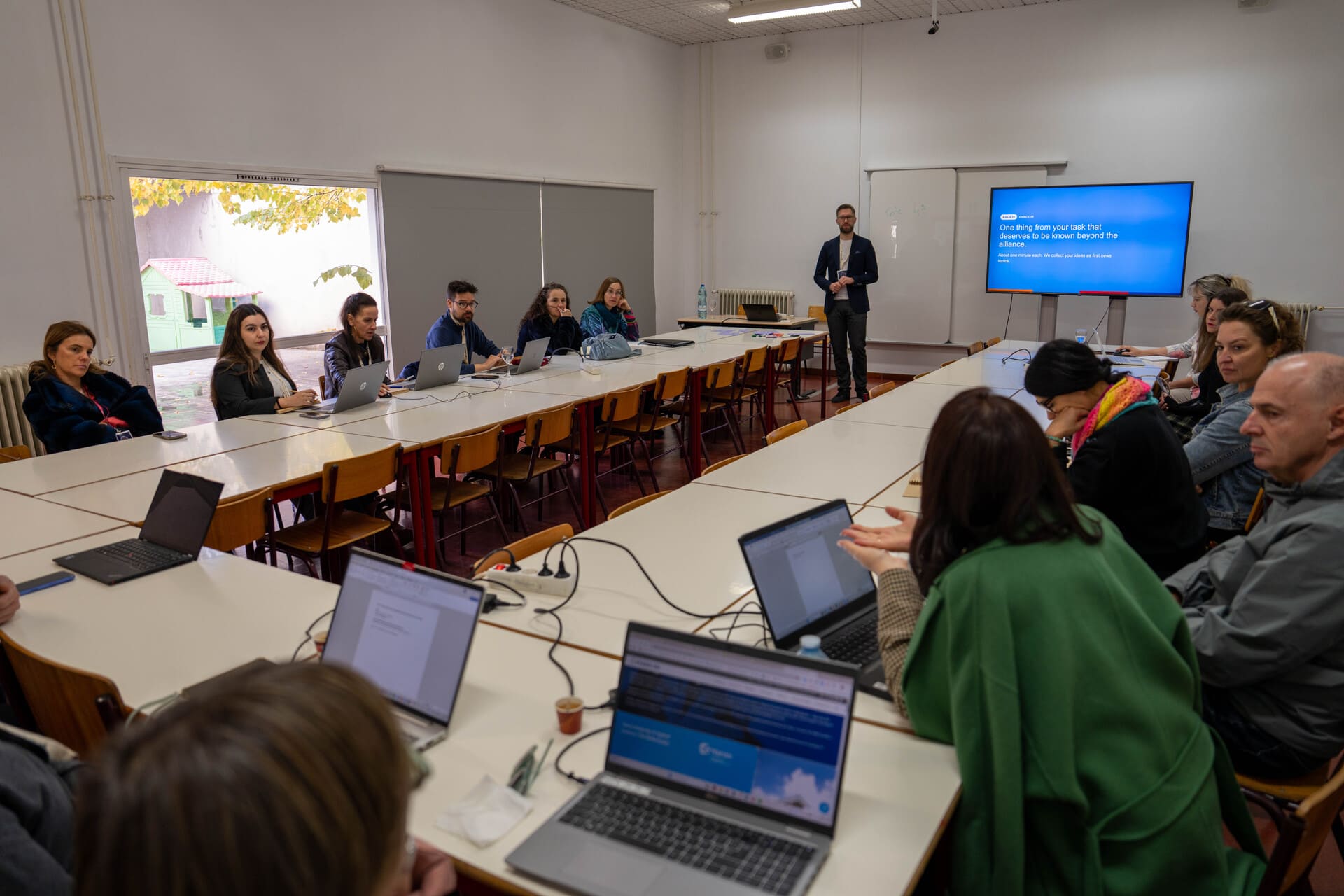
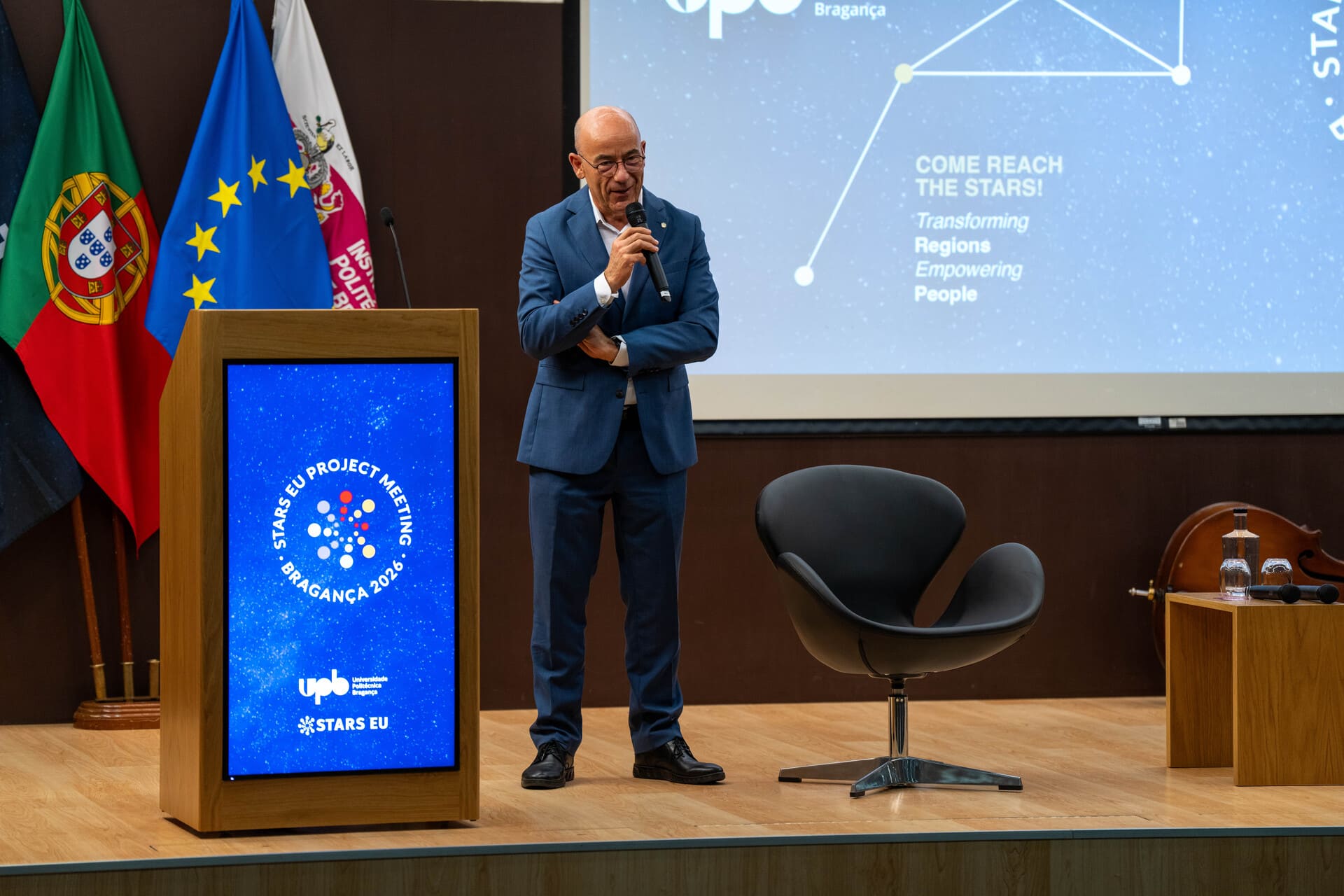
STARS EU held one of its annual meetings from October 21 to 23 at the Bragança Polytechnic University (Portugal). In addition to promoting the work of the various working groups involved in this initiative, this meeting was particularly significant because the nine rectors of the member institutions signed a Consortium Agreement to strengthen the stability of this association with a plan extending to 2037.
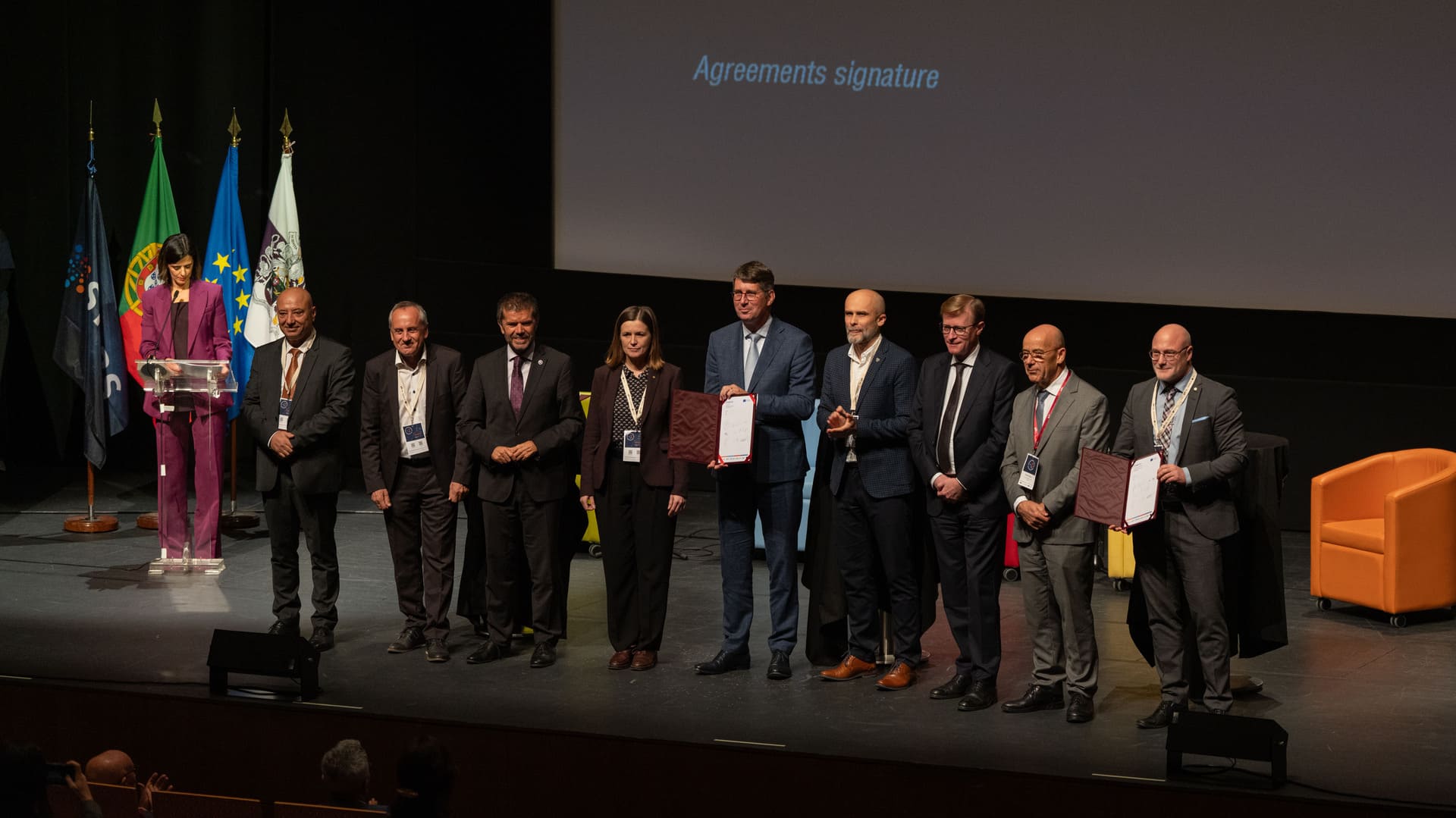
The consortium agreement signed at the Bragança meeting regulates the structure of the alliance, the roles within it, its main regulations, financial aspects and resolves issues related to confidentiality, intellectual property and data protection, in addition to arbitrating a system to settle possible disputes between the associated institutions.
It derivates form a five- year Strategic Plan for the alliance, developed by a team coordinated by Professor Ernesto Pereda of the University of La Laguna (ULL), with the participation of both STARS EU members and external experts. The purpose of this long-term planning is to enable the alliance to more effectively carry out its main mission: accelerating the development of the regions involved through the four university missions: education, research, innovation and service to society.
The Strategic Plan is based on five pillars: education for the future, research and innovation, acceleration of development, campus, and sustainable governance. These pillars, in turn, are based on three cross-cutting commitments: education for transformation, research for impact, and cooperation for problem – solving.
Governance and internationalization
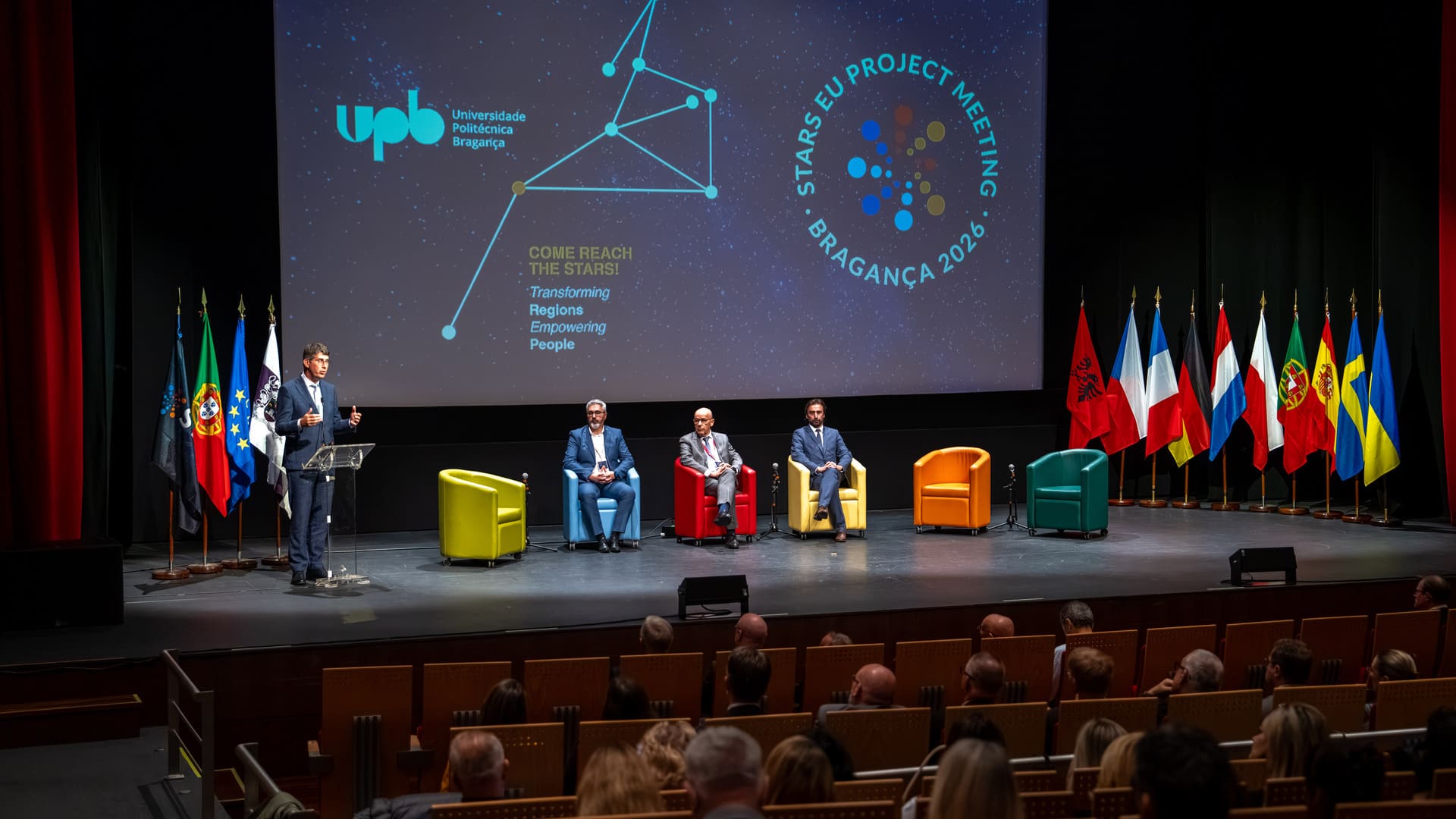 One of the measures implemented by the new consortium has been to establish a system for electing the president and vice-president of the alliance among the rectors of the member universities, whose term will last one year. In this first round of voting, Dick Pouwells, rector of the Hanze University of Applied Sciences (Netherlands), was elected president; and Tomáš Gongol, rector of the Silesian University in Opava (Czech Republic), was elected vice-president.
One of the strategies that is also being implemented within the alliance is called STARS EU Goes Global, which follows the recommendations of the European Commission to internationalize higher education, attract talent and promote European values through all international initiatives and partnerships in which the alliance is involved.
Within that spirit, another agreement was also signed at the meeting whereby the Petro Mohyla Black Sea State University (Ukraine) will participate in STARS EU as a Strategic Associated Partner, an agreement signed during the opening ceremony of the meeting by its rector, Leonid Pavlovych Klymenko. A particularly moving moment of the gala was the screening of a video narrating the difficulties this institution has faced during the war, as it has had to rebuild a large part of its infrastructure and is currently the only university in the country still operating thanks to a blended learning model.
The ceremony was also the setting for a third important signing: the one that launches a double-degree master’s programme agreed by three of the associated universities: Polytechnic University of Braganza, Marie and Louis Pasteur University (France) and University West (Sweden), in Electrical and Computer Engineering, Automation and Robotics and Production Technology.
Alliance assessment
During the opening, STARS EU coordinator Rima Dijkstra reviewed the current state of the alliance, highlighting the launch of several research projects and scientific publications. In the field of education, she noted the implementation of joint programmes including 5 bachelors, 10 masters, 3 doctorates, 57 Blended Intensive Programs (BIPs), 59 joint micro credentials, and 15 joint course units. All of this has contributed to a positive rating in the midterm review conducted by European authorities on the ongoing project.
Other notable results highlighted by the Dijkstra were, among others, several Living Labs (5 regional running, 3 interregional launched and 4 regionals in preparation); 23 interregional traineeships, the implementation of the Knowledge and Technology Transfer Office, the STARS Talks series, the Gender, Equality, Diversity and Inclusion agenda and the Ambassadors program. She also highlighted a good staff mobility (22%) but emphasized the necessity of improving the students one (3%), which is one of the KPI of the project. She also summarized the main points of the recently signed consortium.
University autonomy
During the opening, Manuel Heitor, former Minister of Science and Higher Education of Portugal between 2015 and 2021, gave a plenary lecture in which he reported on the results of the “Align, Act, Accelerate” report, which he coordinated with other European experts to take stock and make recommendations to improve European research programs.
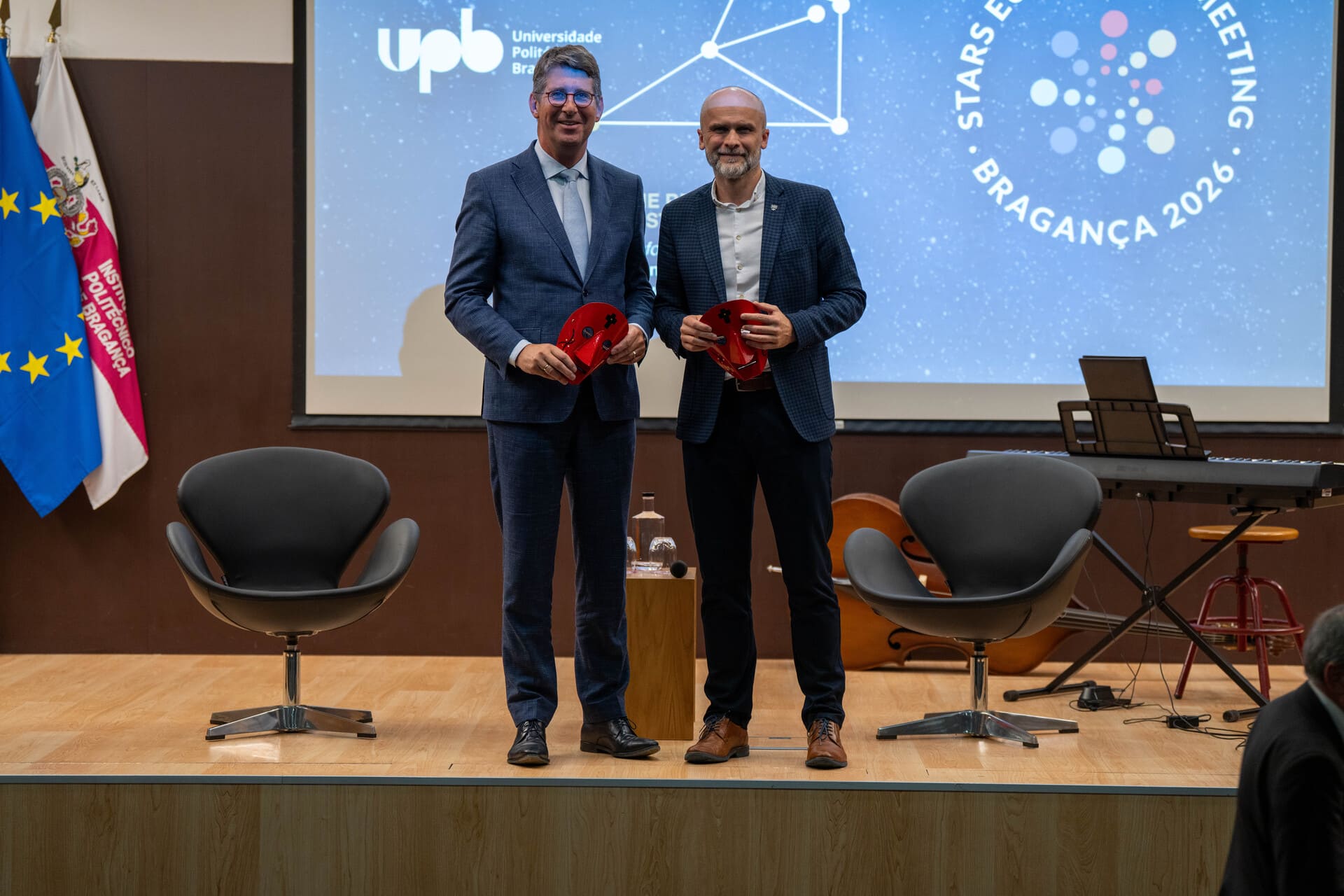
A report that, among other things, called for an increase in the EU research budget, which is around 21 billion euros—a figure that will clearly not be respected by EU political authorities , who, on the other hand, have expressed their agreement with this diagnosis and its recommendations. Heitor emphasized the idea that university autonomy is one of the strengths of academic institutions, which they should leverage to achieve their objectives and forge alliances.
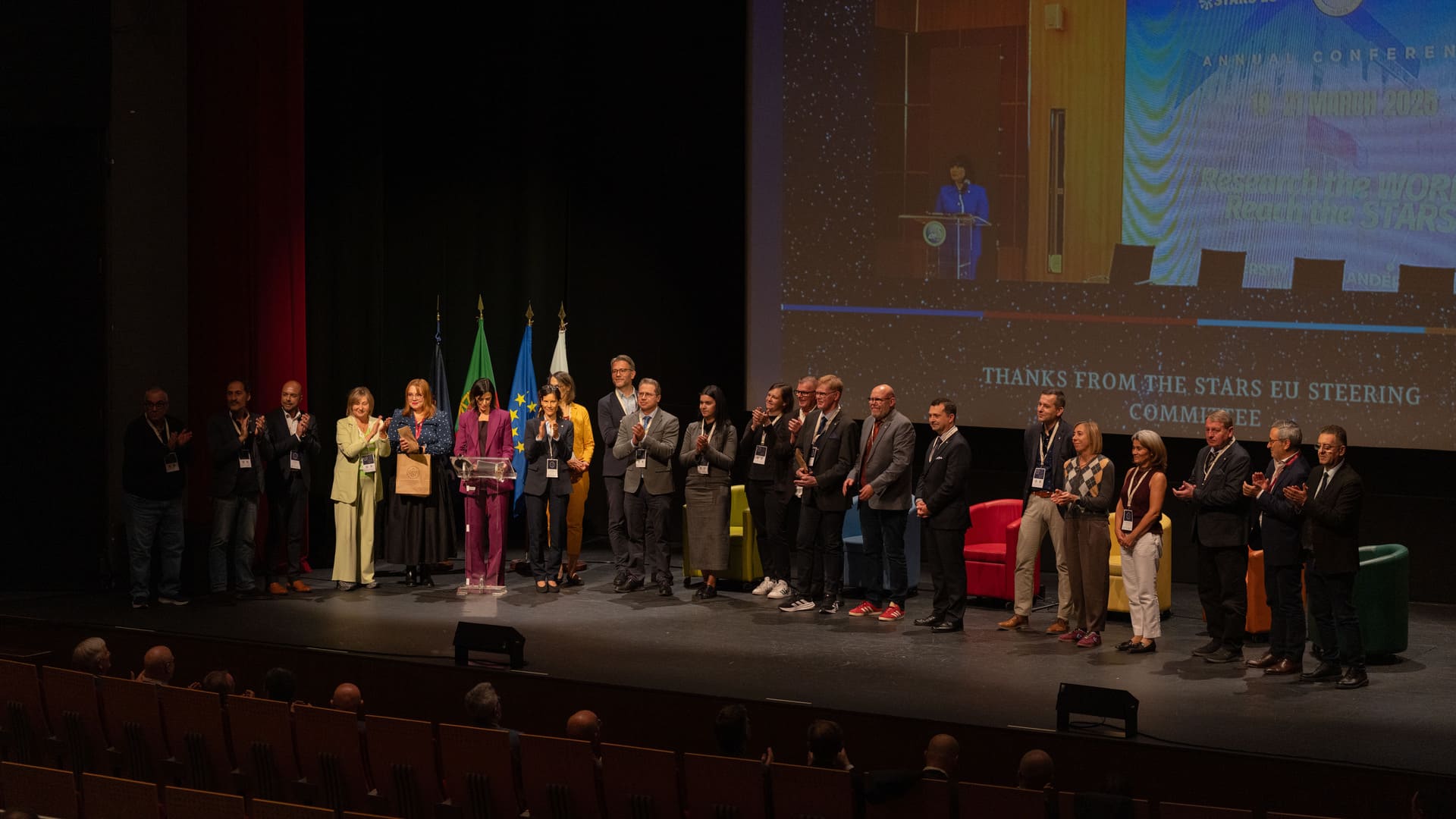
This idea of university autonomy was taken up again by the president of STARS EU, Dick Pouwells, two days later, during the closing ceremony of this meeting. He pointed out that; indeed, it is one of the strengths of academia, but it must be balanced with the objective of serving society.
For his part, the rector of the Polytechnic University of Braganza, Orlando Guterres, was responsible for closing the meeting, emphasizing the importance of universities in building the future of Europe. He alluded to Erasmus of Rotterdam’s idea of creating a “Republic of Letters.”
The meeting ended with the official announcement of the next STARS EU general meeting, to be held in mid-March 2027 at the Krakow Polytechnic University.

Related Posts
STARS EU and Petro Mohyla Black Sea National University formalize strategic partnership in Bragança
The agreement with the Ukrainian university promotes academic cooperation, as…


STARS EU Annual Meeting 2026 kicks off tomorrow in Bragança
Bragança Polytechnic University will welcome representatives from the nine…
STARS EU Goes Global: Alliance community meets in Bragança for 2026 Annual Meeting
The STARS EU community will come together at Bragança Polytechnic University…