
Learning Through Creation: International Students Explore VR and AR in Kraków
June 24, 2026
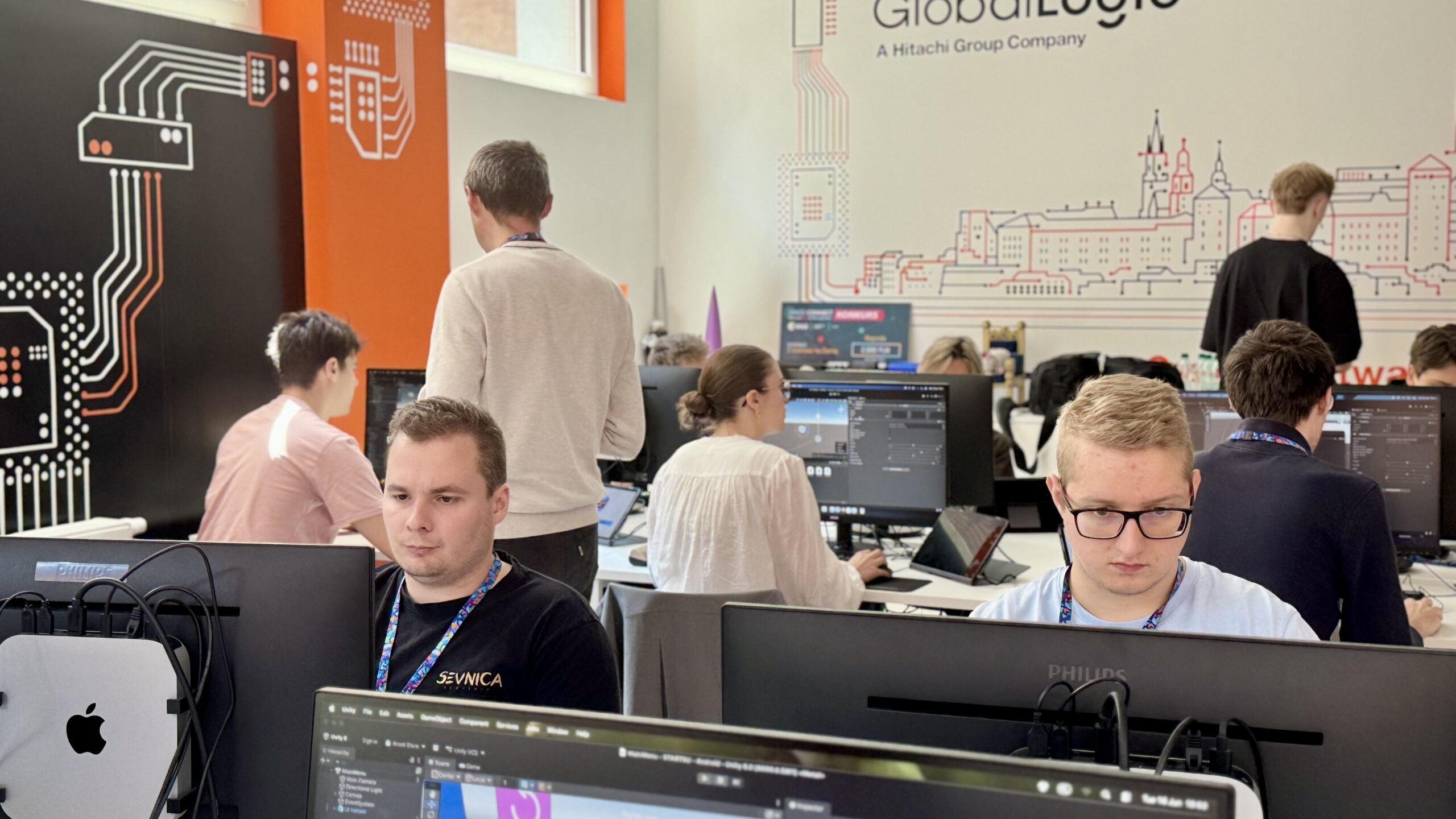
The first edition of the Erasmus+ Blended Intensive Programme (BIP) Game Development with VR/AR has successfully concluded at Cracow University of Technology, bringing together students and academics from across Europe under the STARS EU Alliance.
The programme combined several weeks of online learning with an intensive on-site week in Kraków, creating a unique international environment where technology, creativity, and intercultural collaboration met in practice.
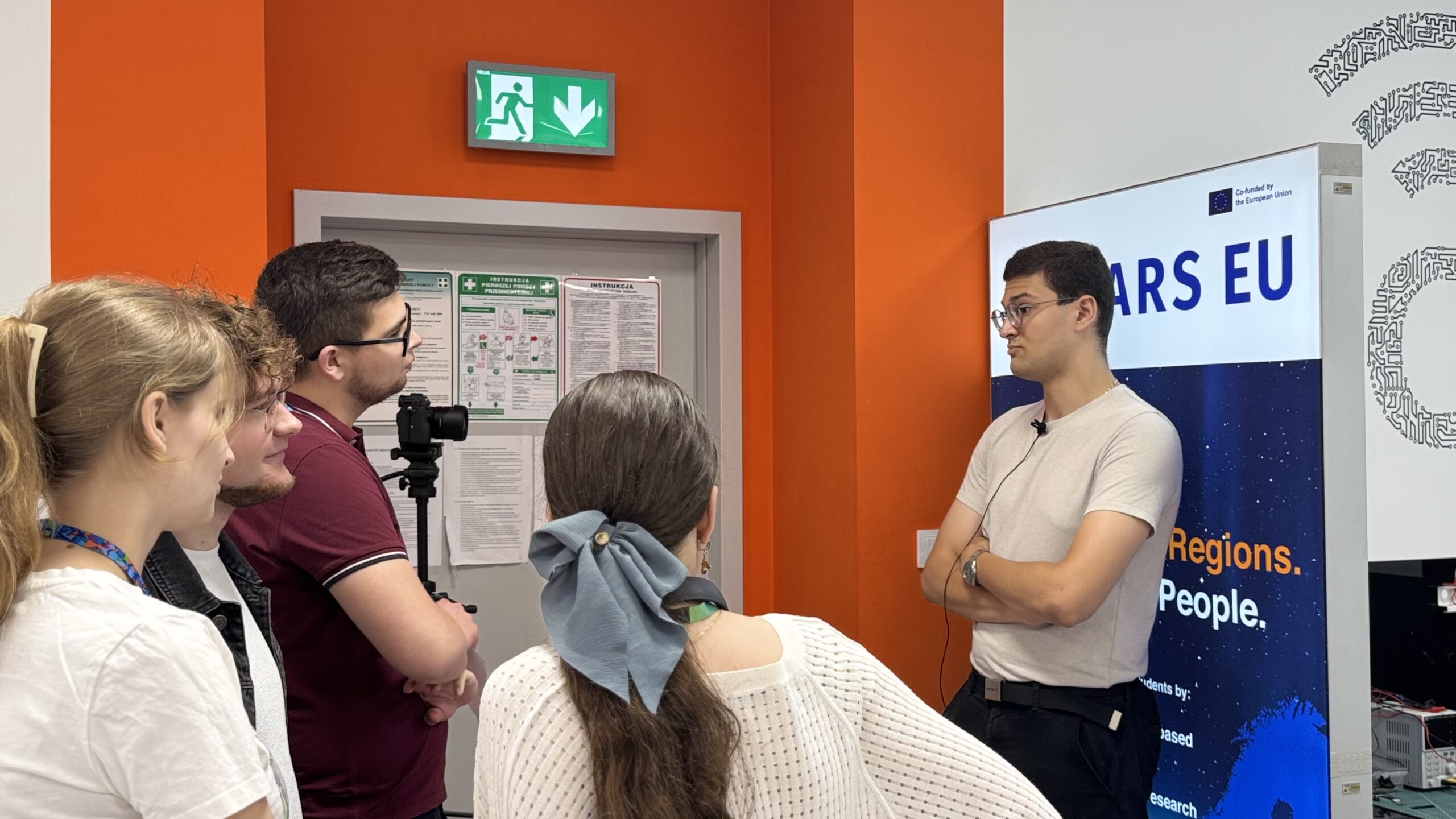
Opening the on-site week, programme coordinator Adrian Widłak highlighted the spirit of the initiative:
“We are meeting here as part of the Alliance STARS EU, bringing together Poland, France, Germany, and our guests from Slovenia. What I love about this initiative is that it’s not just about mobility. It’s about mixing realities.”
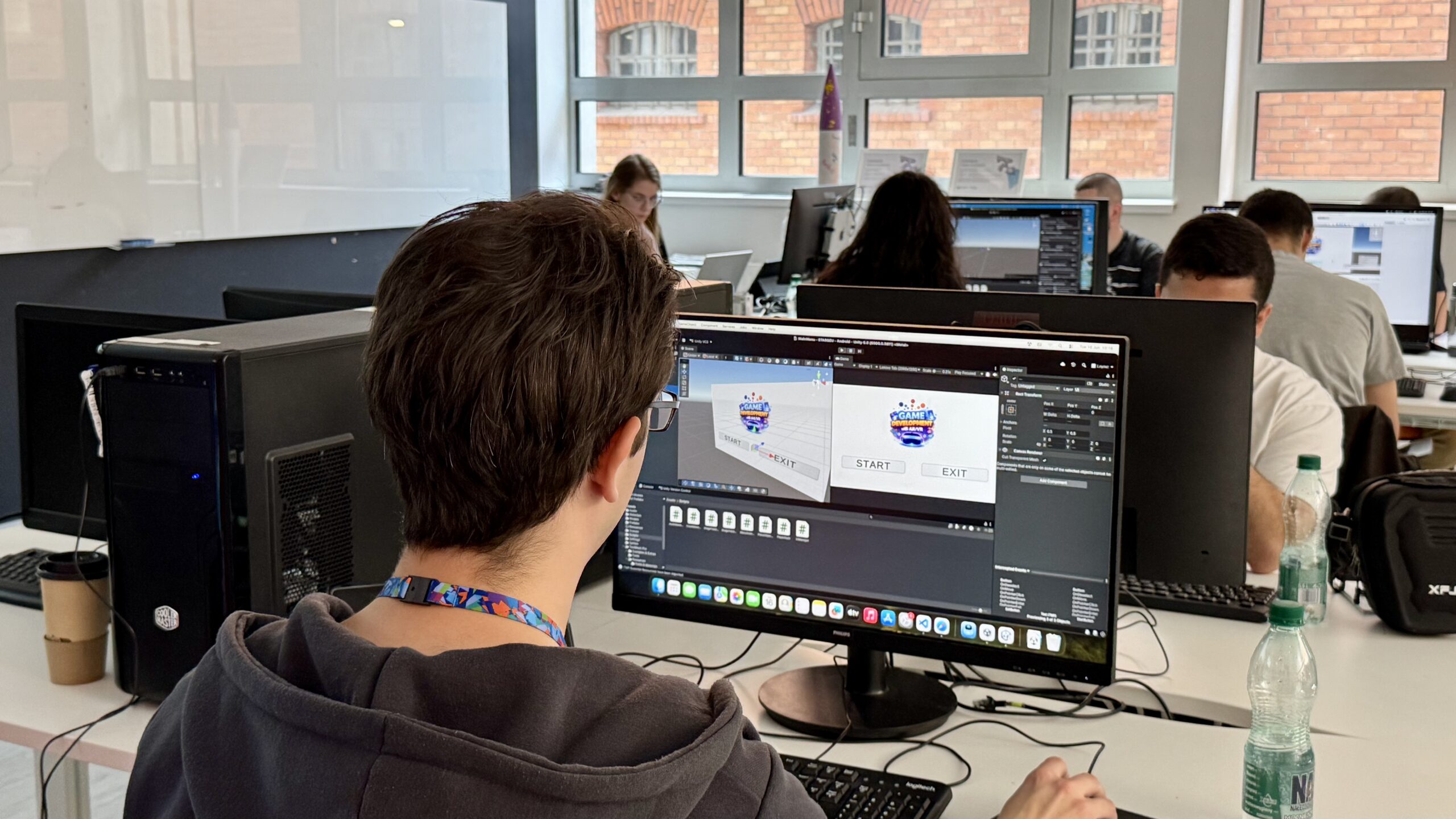
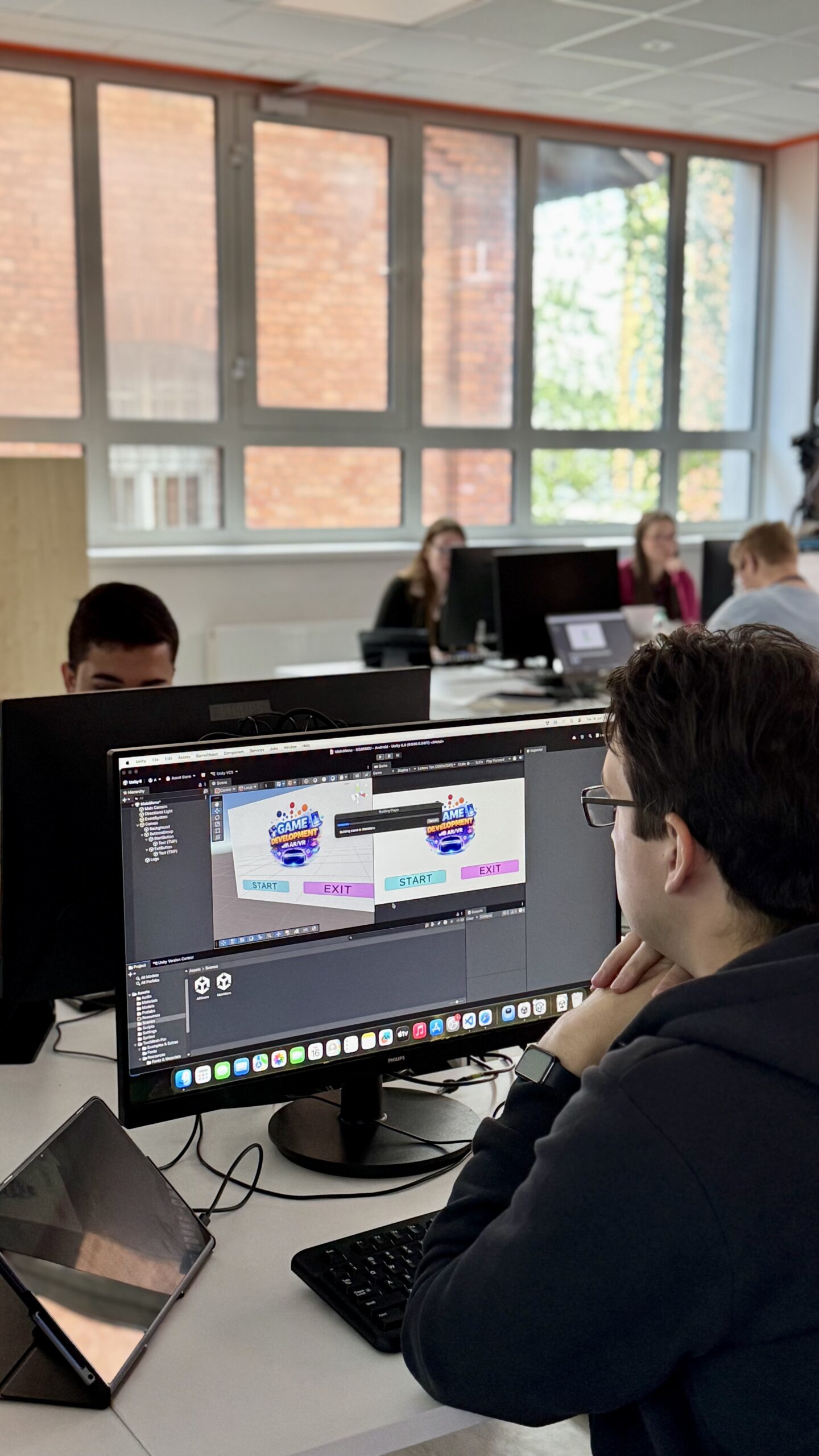
The programme began with an online phase running from 24 March to 26 May 2026. During this period, participants developed skills in C# programming, 3D modelling, Unity game development, and immersive VR and AR technologies.
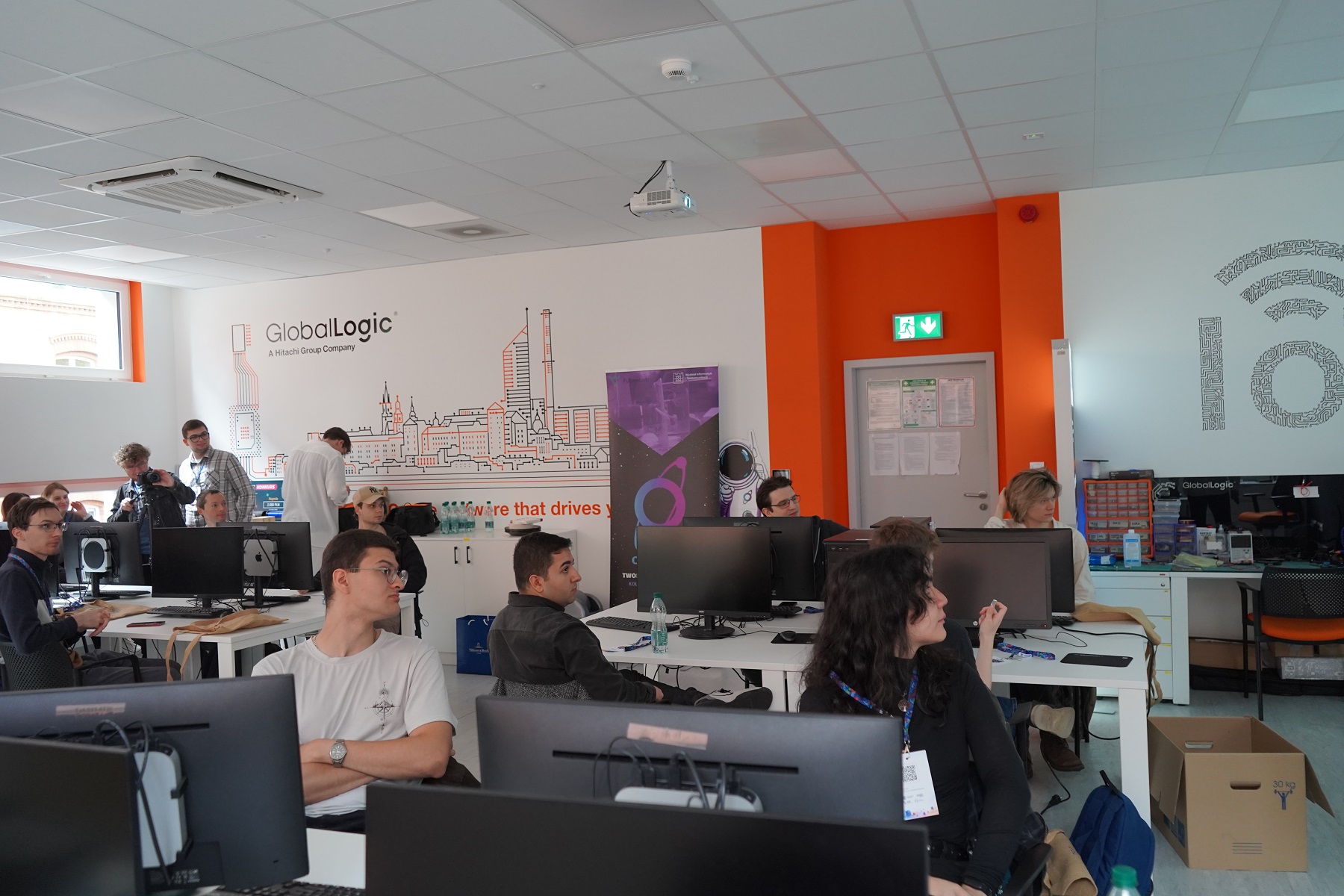
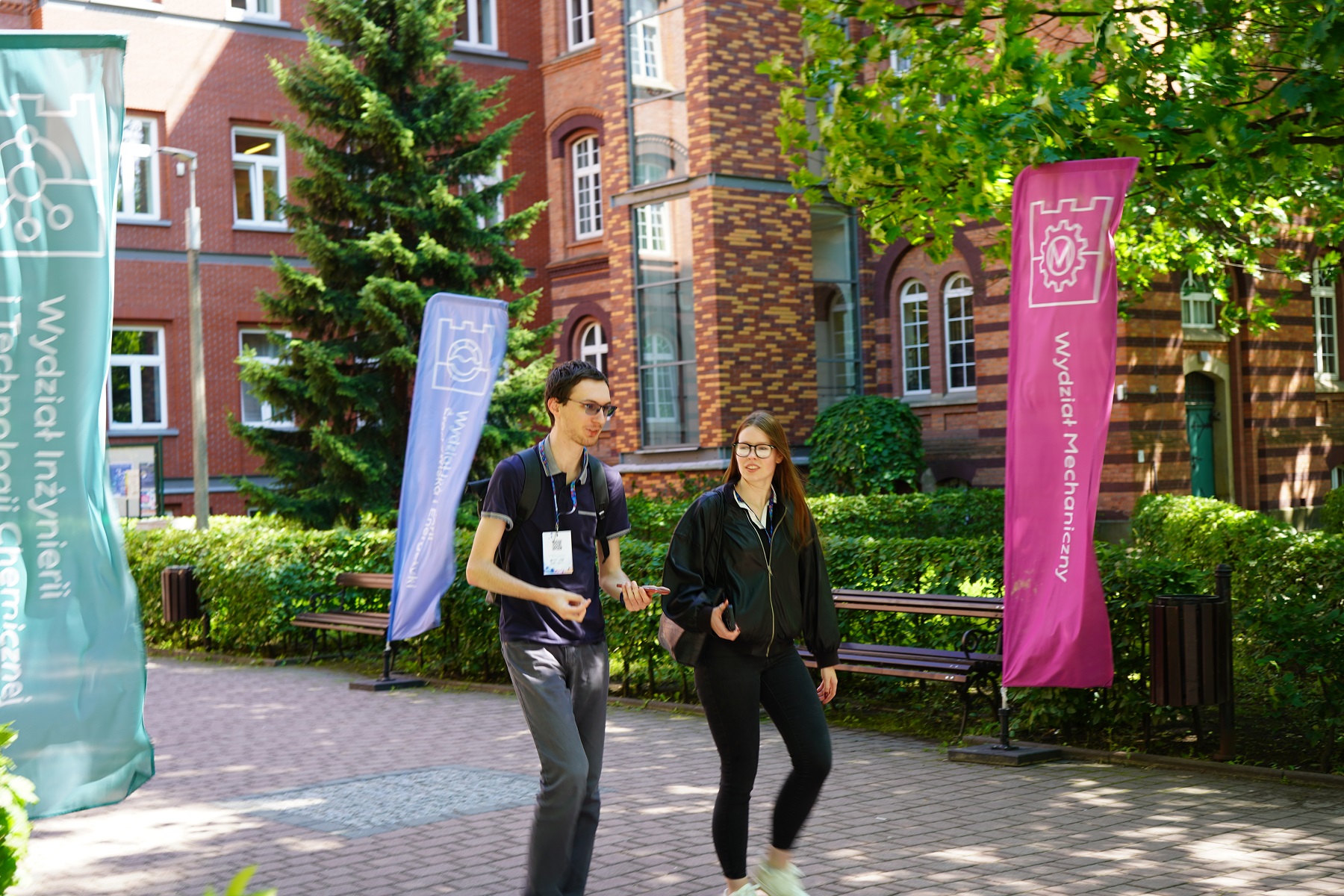
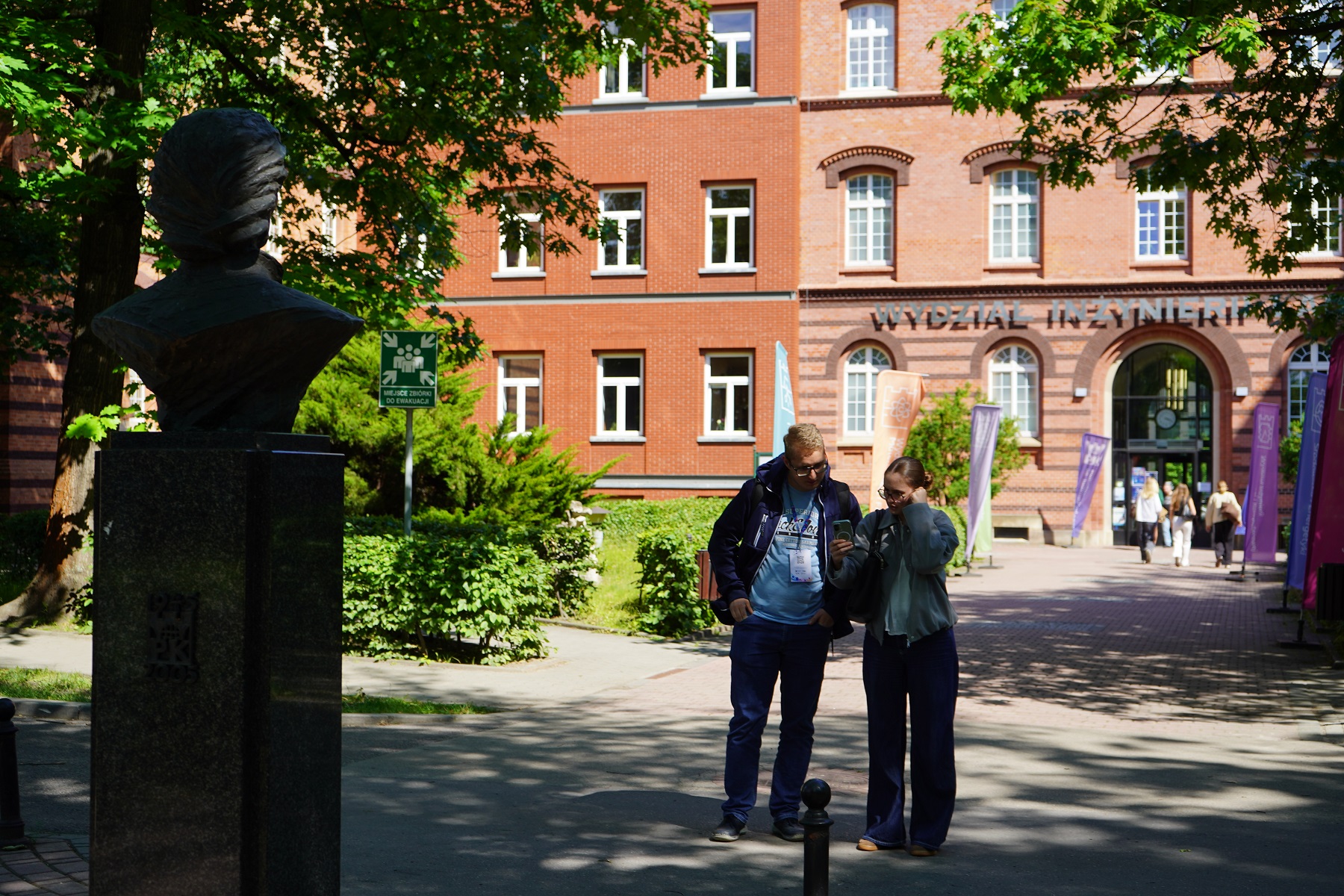
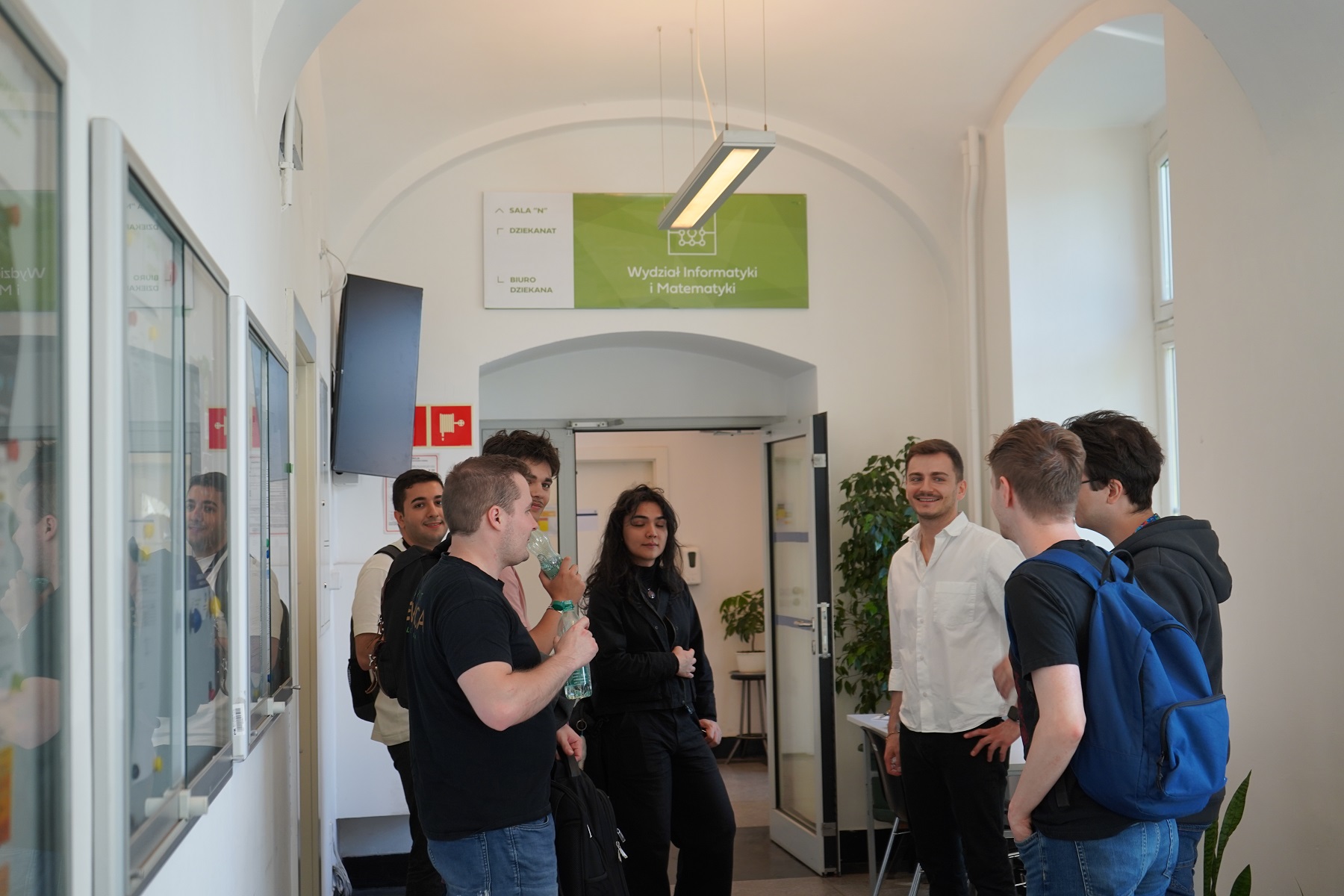
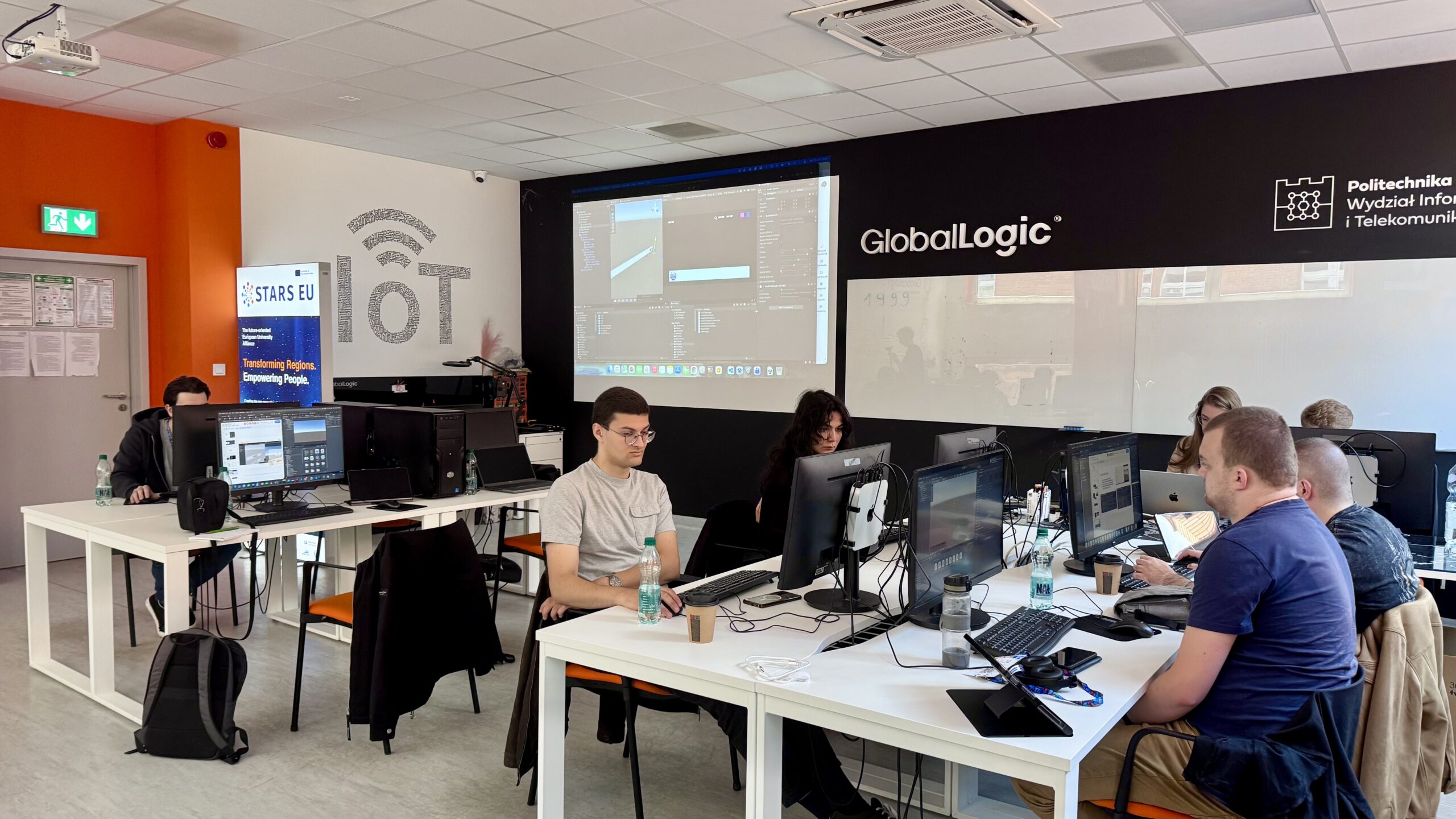
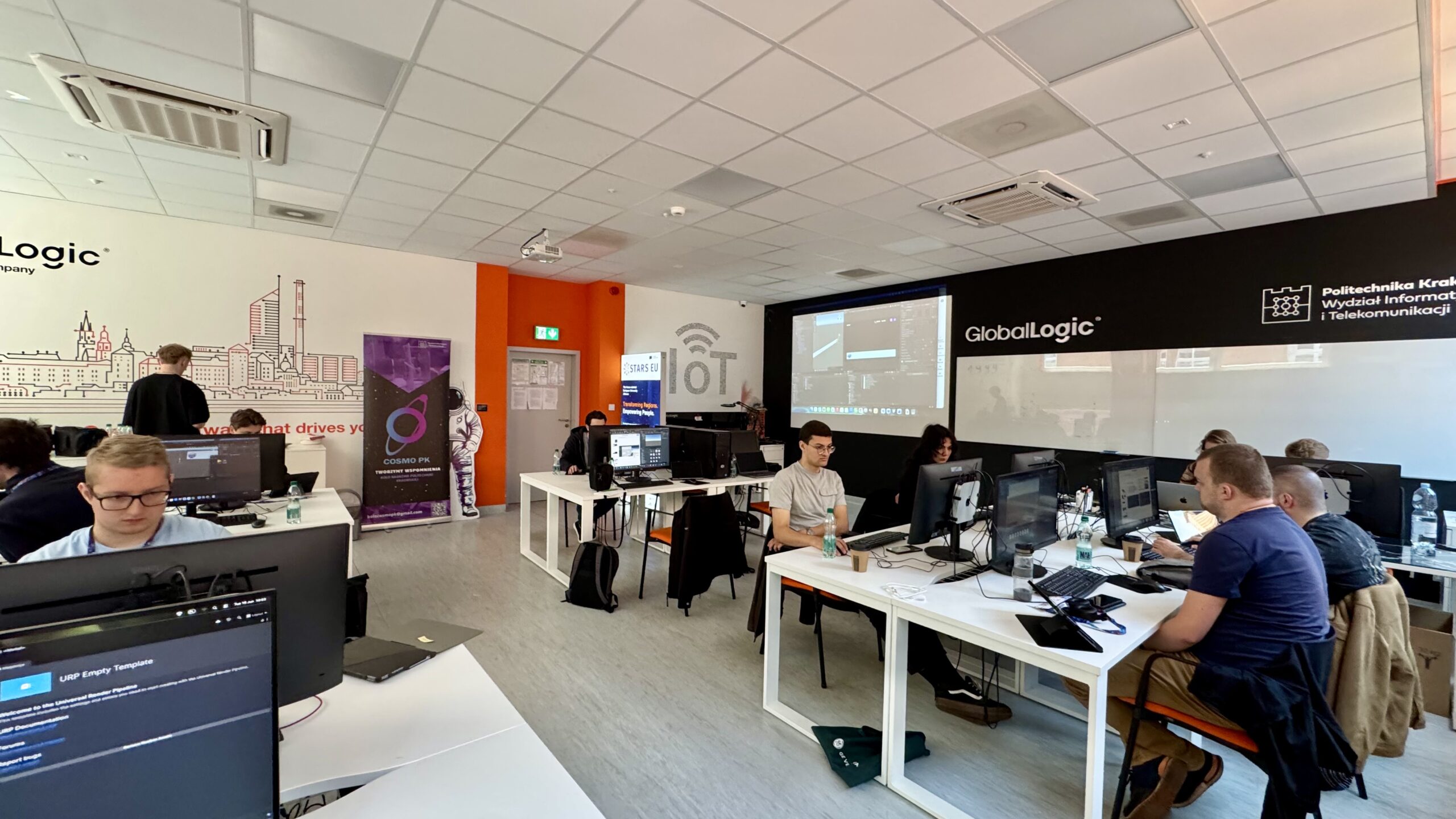
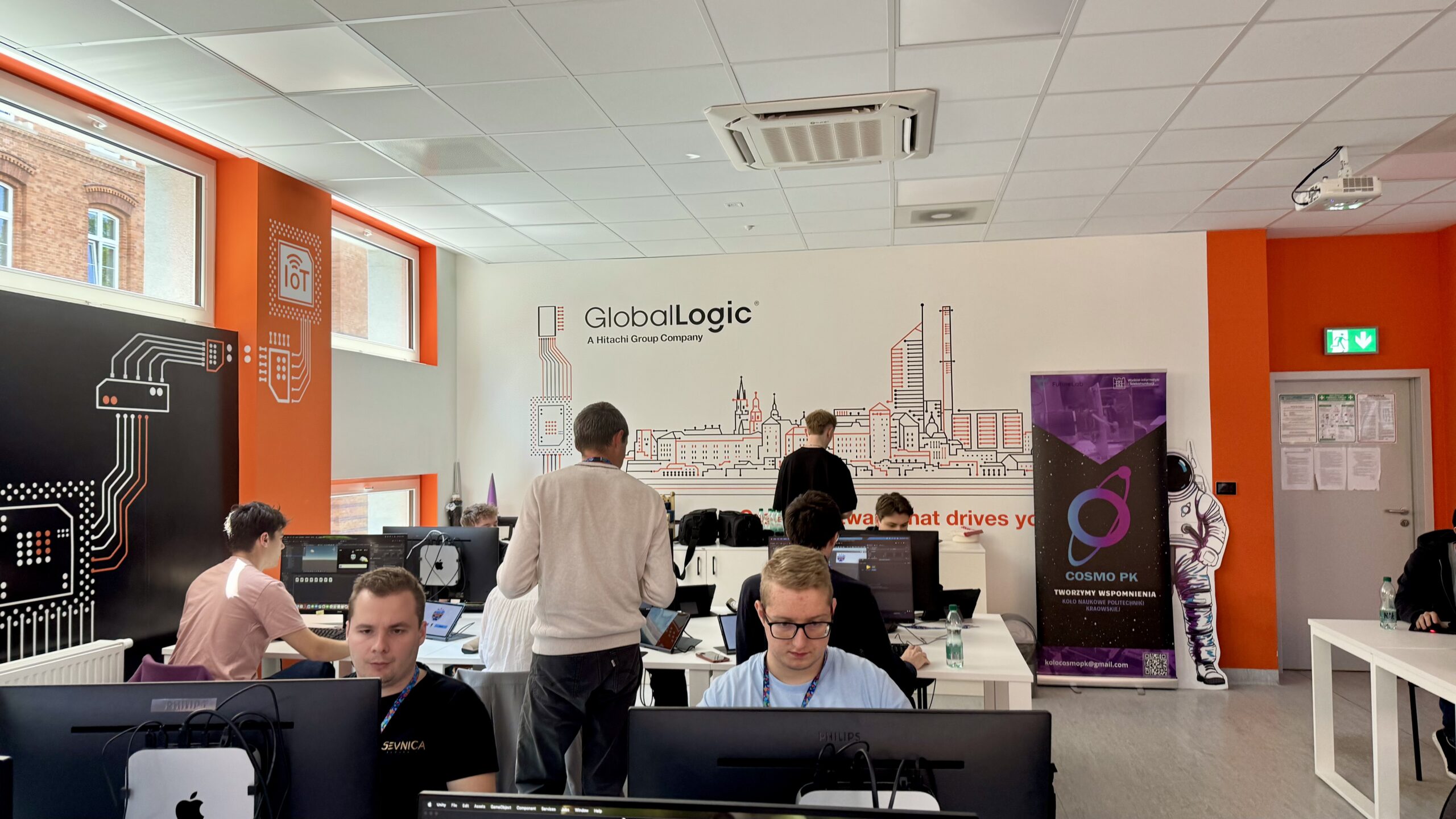
The international group then gathered in Kraków from 15 to 19 June for the on-site component. Throughout the week, students transformed theoretical knowledge into practical solutions by working in multinational teams on a common challenge.
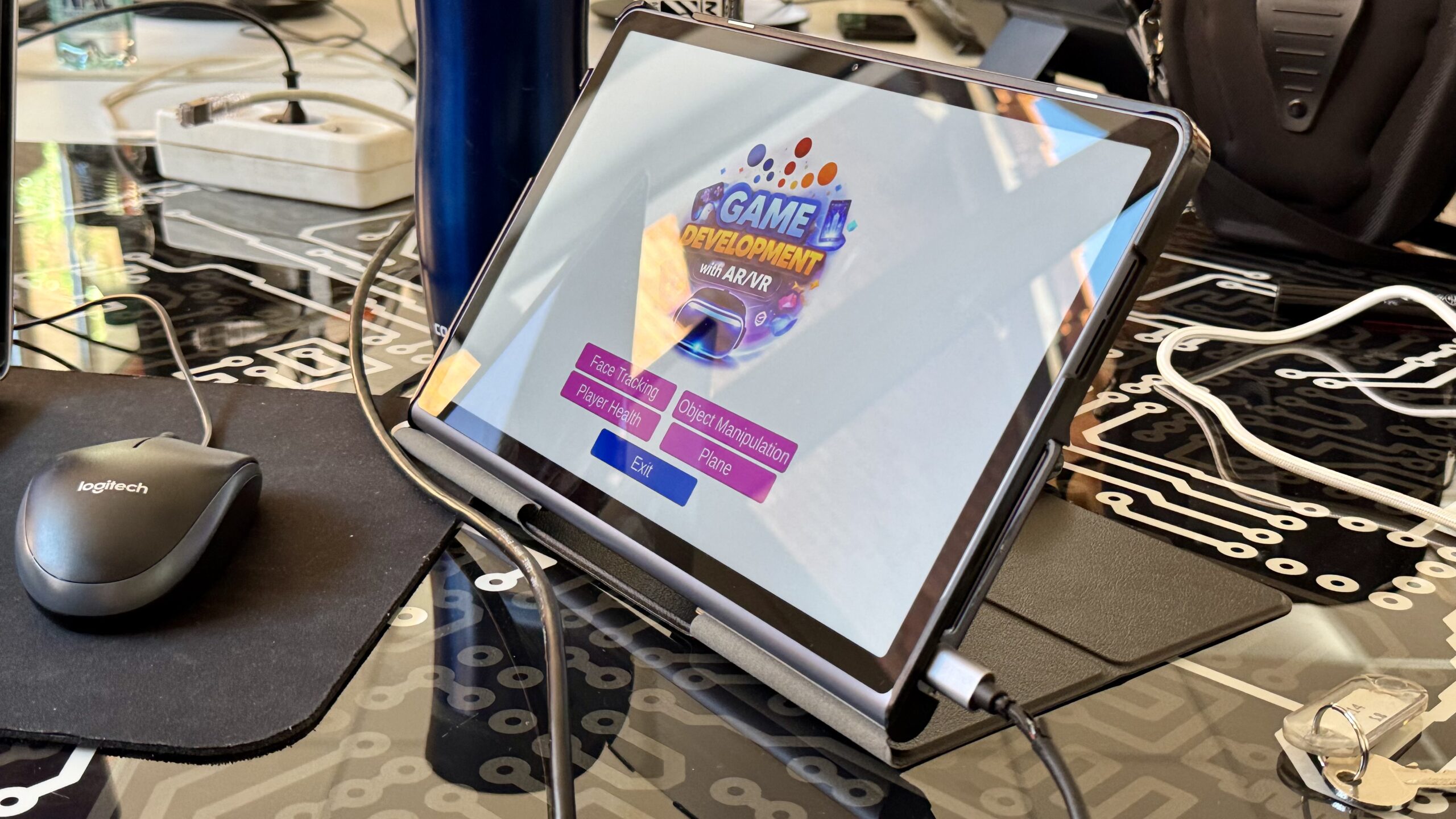
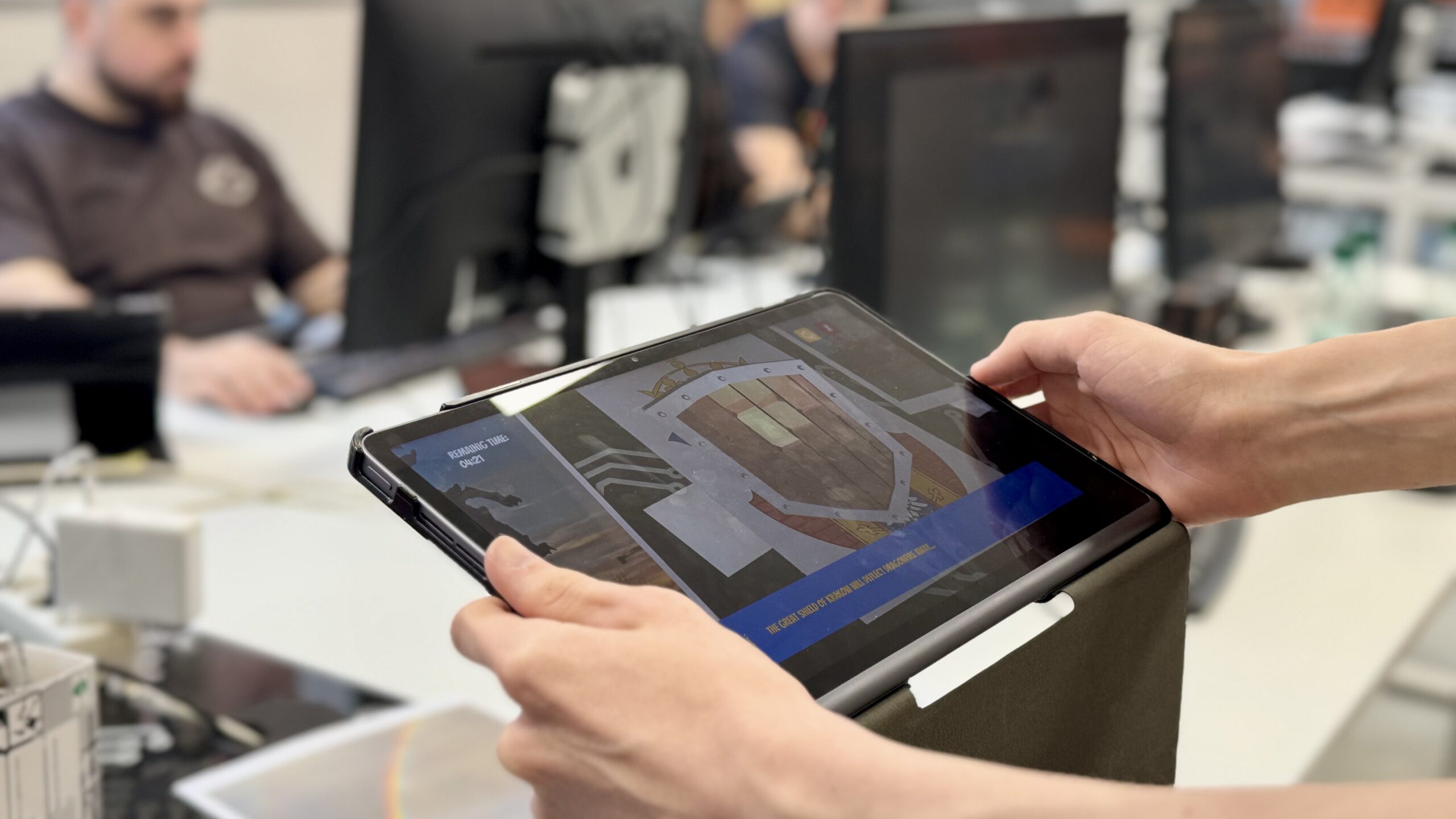
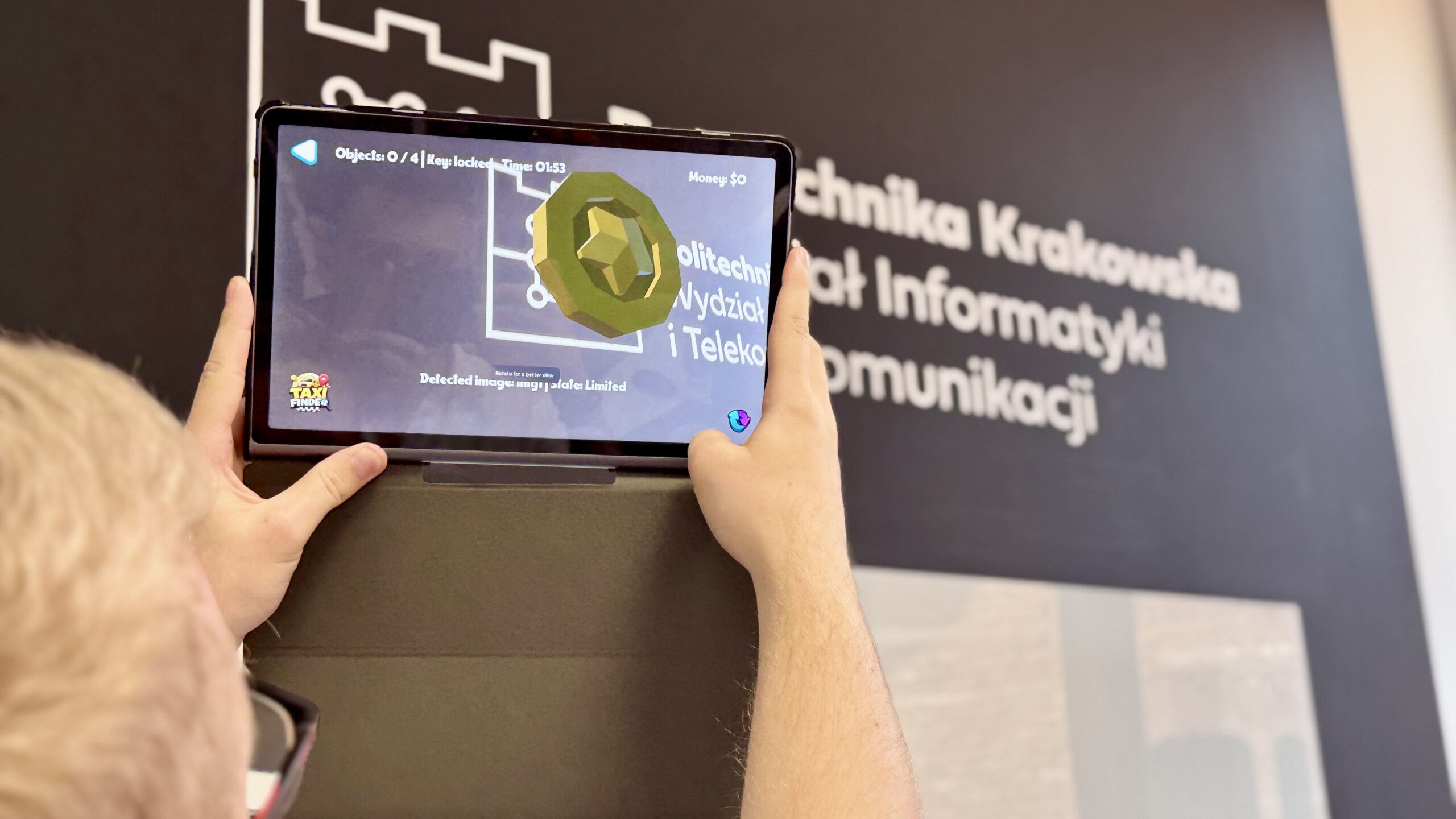
Their task was to design and develop an augmented reality experience capable of transforming a traditional computer laboratory into an interactive educational escape room. Using tablets, AR tools, and game design principles, participants created missions, puzzles, and story-driven scenarios that blended digital content with physical space.
The resulting projects demonstrated how augmented reality can enhance learning environments, increase engagement, and create new forms of educational interaction.
One of the key objectives of the programme was to strengthen students’ ability to work in international and interdisciplinary teams. Beyond technical development, participants gained valuable experience in communication, problem-solving, project management, and intercultural cooperation.
Academic staff from partner institutions provided expert guidance throughout the programme. Participants were supported by Frédéric Lassabe (France), Volker Paelke (Germany), and Krzysztof Skabek from the Computer Graphics and High Performance Computing Research Group at Cracow University of Technology. Practical workshops and project sessions were led by Adrian Widłak, Gloria Kuliś, and Wojciech Malik.
Their diverse academic and research perspectives enabled students to explore VR and AR technologies from multiple viewpoints and application areas.
The programme also offered participants the opportunity to experience the cultural heritage of southern Poland.
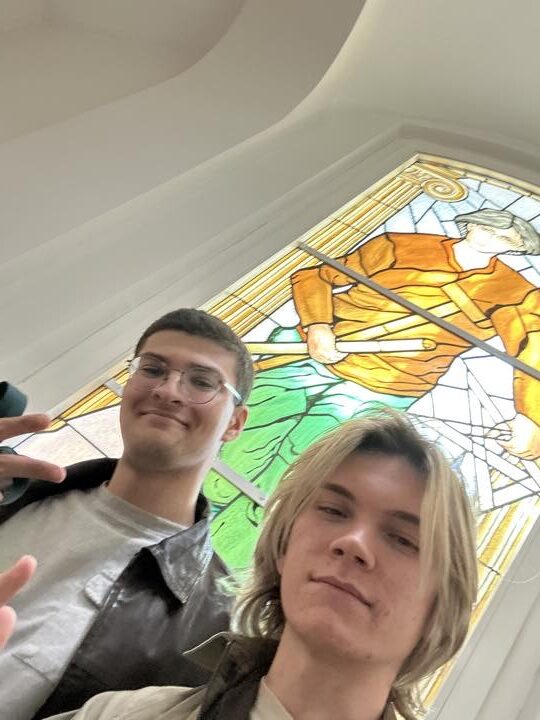
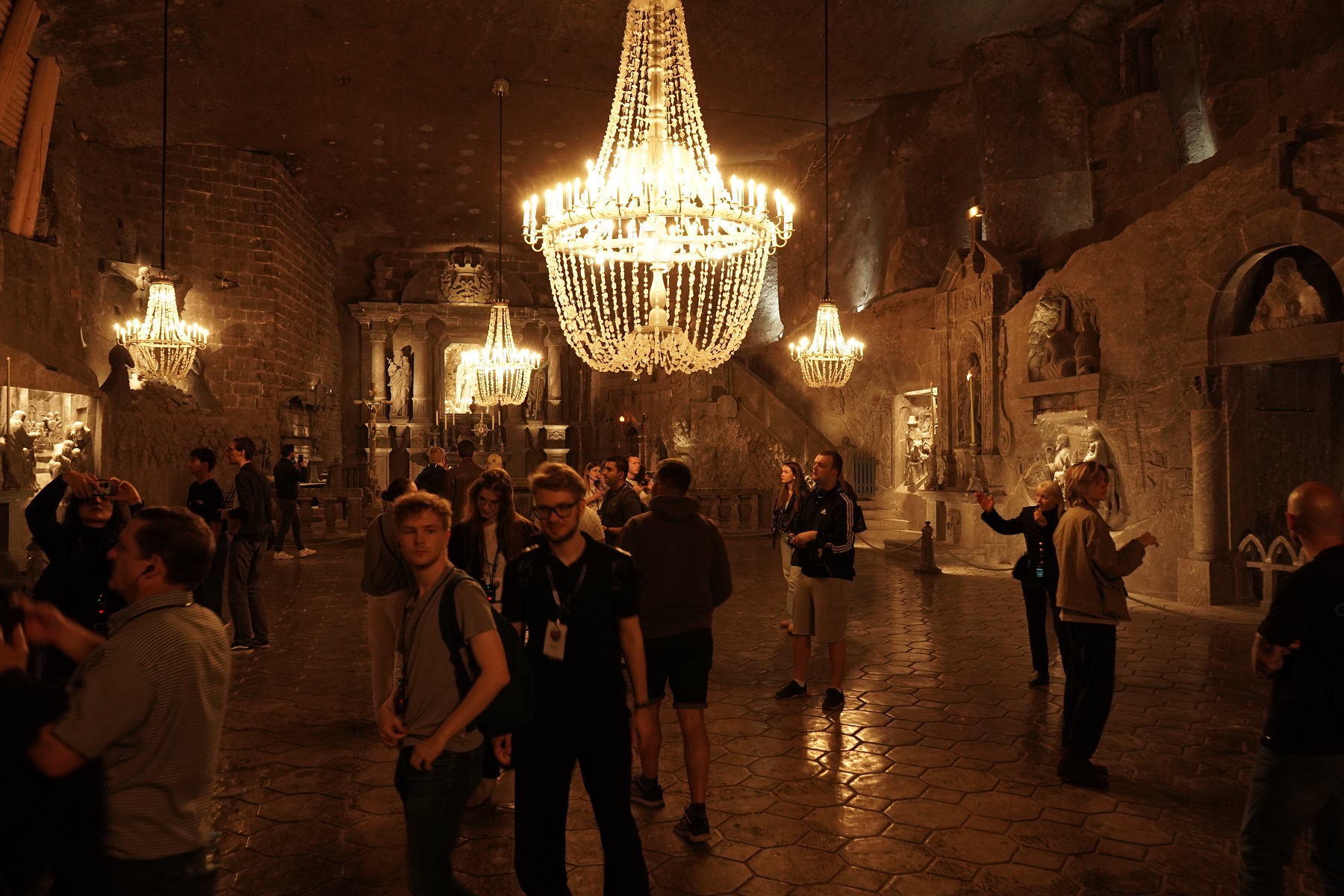
Students visited the Wieliczka Salt Mine and explored Kraków’s historic city centre, both UNESCO World Heritage sites. These visits provided valuable opportunities for networking, cultural exchange, and discovering one of Central Europe’s most historic regions.
The successful delivery of the programme was supported by members of Visgraph, the student scientific association operating under the supervision of Michał Dolina and Jakub Dec. Visgraph students contributed to event organisation, participant support, media coverage, photography, audiovisual production, and promotional activities. Their involvement played an important role in creating a welcoming and professional environment for all participants.
The Game Development with VR/AR programme demonstrated how modern higher education can move beyond traditional teaching models. Rather than passively receiving information, students learned by designing, building, testing, and refining their own ideas. By combining emerging technologies, project-based learning, and international collaboration, the programme provided participants with valuable technical competencies, practical experience, and professional connections that will continue to benefit them long after the programme’s conclusion.
As a STARS EU initiative, the programme also showcased the Alliance’s commitment to creating innovative educational opportunities that prepare students to work and collaborate in an increasingly digital and interconnected Europe.

Related Posts
One song, Different voices, One STARS EU
Four of our university's choirs came together around one of the most iconic…

STARS EU researchers explore pilot projects for collaboration in tourism at ULL
The meeting brings together universities from Kraków and Bragança to lay the…
STARS EU brings together researchers from European universities to address human vulnerability from a social justice perspective
The meeting, organized by the Université Marie et Louis Pasteur, analyzes legal…